This beginner guide helps you match renewable technology to your home. Solar panels, batteries and heat pumps each suit different homes. Your roof, heating system and insulation shape the right choice. We explain the questions to ask, without prices or savings figures.
A survey by an MCS-certified installer gives you the detailed answer for your home. Use this guide to prepare for that survey.
Independent guide. We are not a lender or a government body. Always check current scheme rules with the official provider.
Solar panels and your roof
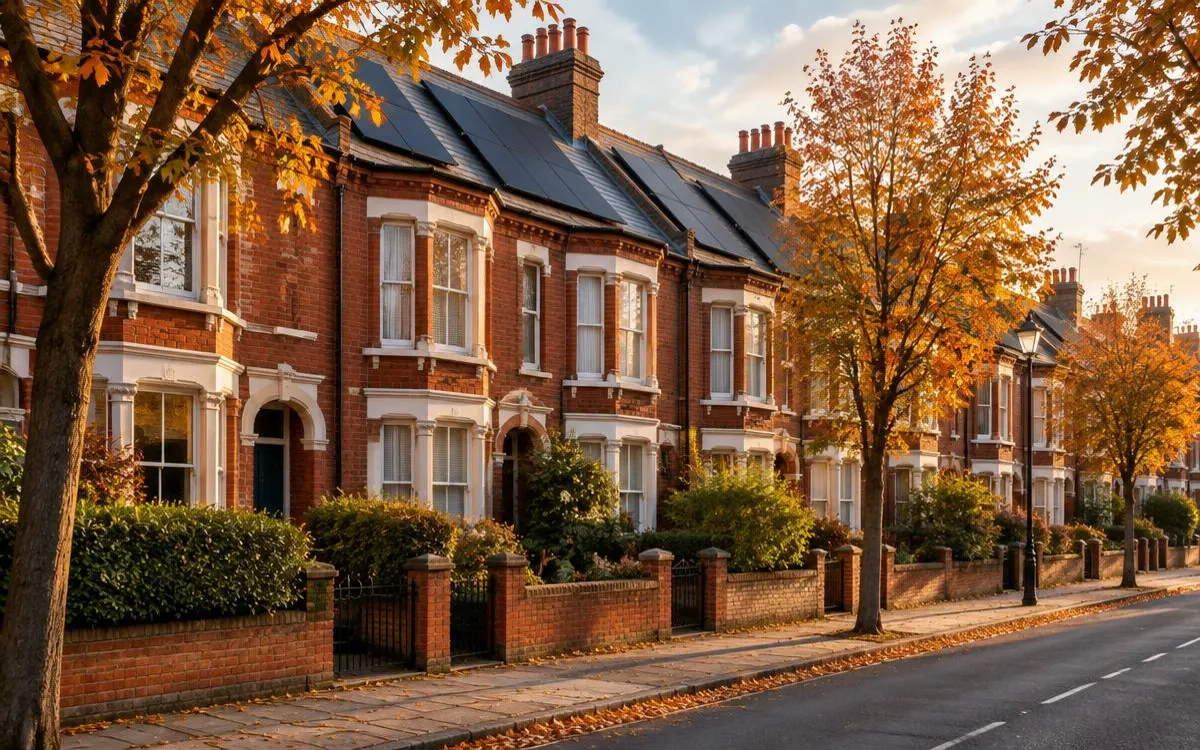
Solar panels generate electricity from daylight. They suit roofs with good sun exposure and little shading from trees or buildings. A roof in poor condition needs repair before installation. Listed buildings and conservation areas need extra checks with your council.
Solar panels suit homes that use electricity during the day. A battery lets you store daytime power for the evening.
Battery storage and your energy use
A battery stores electricity to use later. It pairs well with solar panels. It can also charge from the grid on a time-of-use tariff. You need space indoors or outdoors that meets the product's siting rules.
Your installer matches capacity and power to how and when you use electricity. Ask them to explain their sizing.
Heat pumps and your heating system
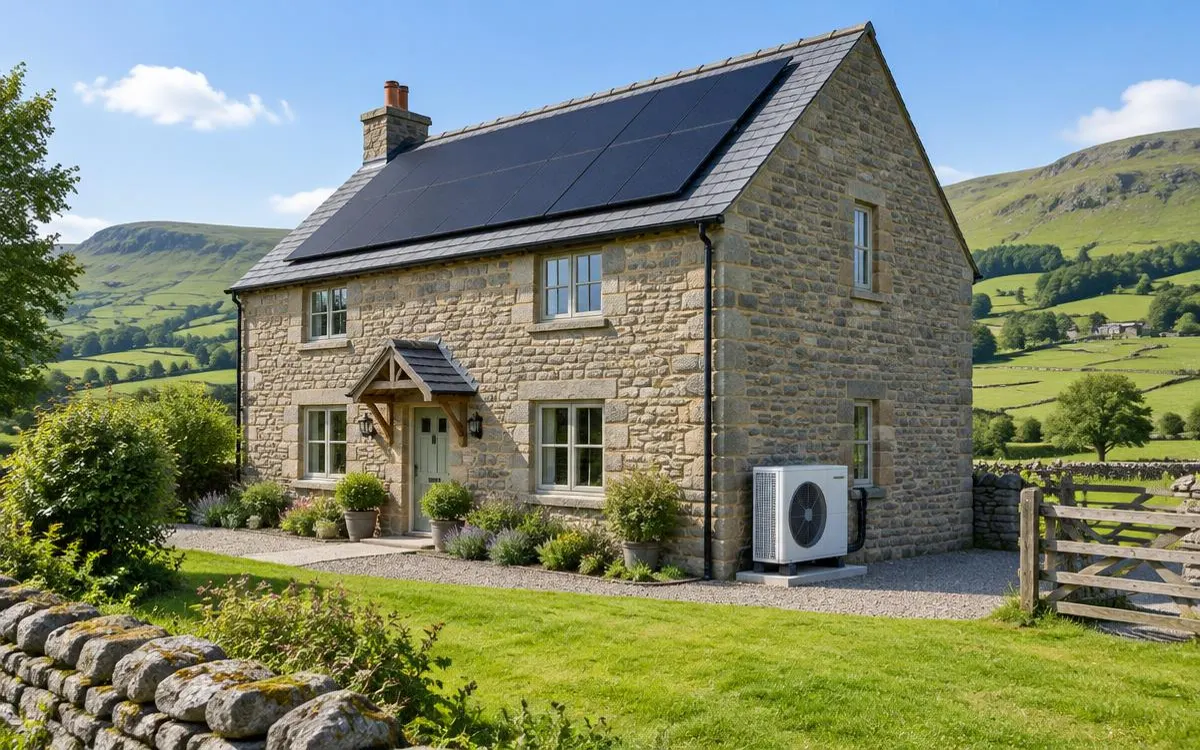
A heat pump replaces a gas, oil or LPG boiler. It works best in a well-insulated home with suitably sized radiators or underfloor heating. An air source heat pump needs outdoor space for its unit. A ground source heat pump needs land or space for ground loops.
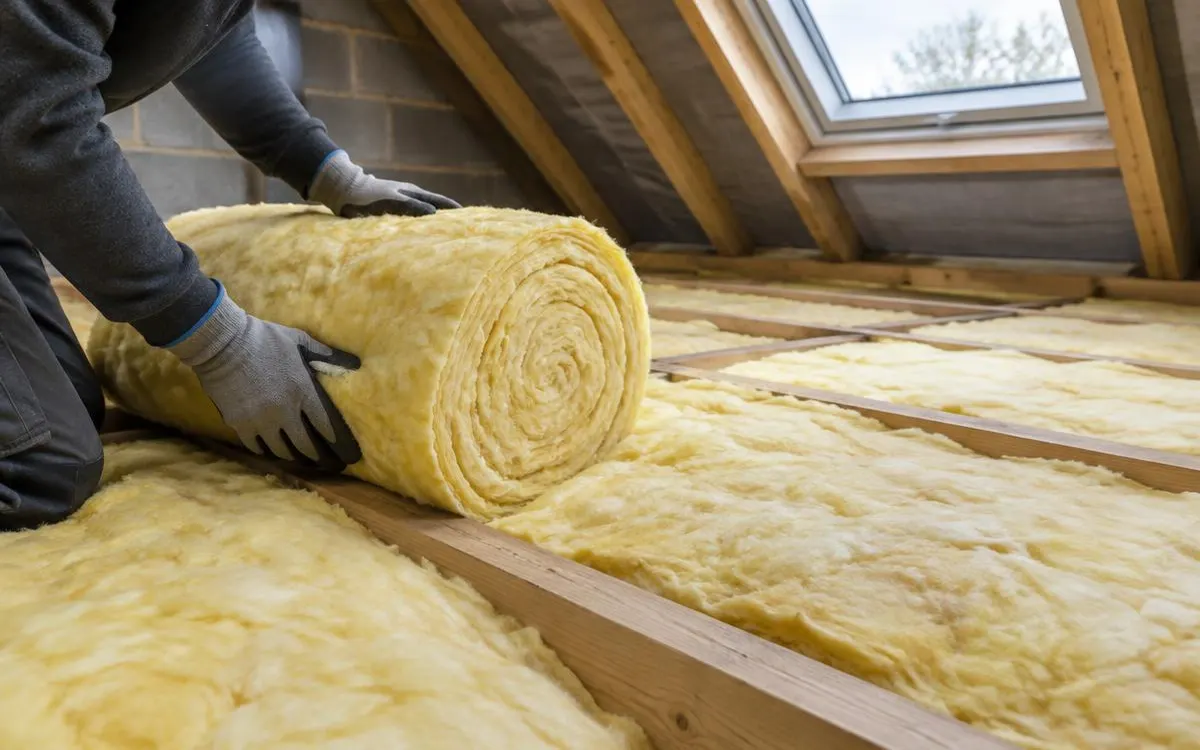
Insulation often comes first, because it reduces the heat your home needs. Follow these steps to match technology to your home.
- Check your roof's direction, shading and condition.
- Review when you use most electricity.
- Note your current heating system and fuel.
- Check your insulation and EPC rating.
- Ask an MCS-certified installer for a survey.
- Check which grants and loans cover your choice.
| Measure | Maximum loan |
|---|---|
| Solar panels | £15,000 |
| Battery storage | £15,000 |
| Air-to-water heat pump | £20,000 |
| Air-to-air heat pump | £10,000 |
| Ground source heat pump | £35,000 |
| Biomass boiler | £20,000 |
| Heat network connection | £7,500 |
| Micro-renewables such as domestic wind | £20,000 |
Checklist
- Roof direction, shading and condition noted
- Daily electricity use reviewed
- Heating system and fuel noted
- Insulation and EPC rating checked
- MCS-certified survey booked
- Funding matched to the chosen technology
Frequently asked questions
Is my roof suitable for solar panels?
Roofs with good sun and little shade suit solar best. An MCS-certified installer can confirm after a survey.
Do I need solar panels to get a battery?
No. A battery can charge from the grid on a time-of-use tariff.
Will a heat pump work in my home?
Heat pumps work best in well-insulated homes with suitable radiators. A heat-loss survey confirms the right size.
Should I insulate before I fit a heat pump?
Often, yes. Insulation reduces the heat your home needs.
Which funding covers each technology?
The Boiler Upgrade Scheme covers heat pumps. The Warm Homes Loan Scheme covers solar, batteries and heat pumps, each with its own maximum.
So you can choose the technology that suits your home before you ask for quotes.
WHLS Editorial Team
Our editorial team writes independent, plain-English guides on home energy finance. We review guides when scheme rules change.
References
- GOV.UK – Notice of approved grant categories and values for the Boiler Upgrade Scheme (opens in a new tab)
- Energy Saving Trust – Boiler Upgrade Scheme (opens in a new tab)
- MoneySavingExpert – Warm Homes Loan Scheme news (October 2026) (opens in a new tab)
- Financial Conduct Authority – Financial Services Register (opens in a new tab)
- MCS – Find an installer (opens in a new tab)