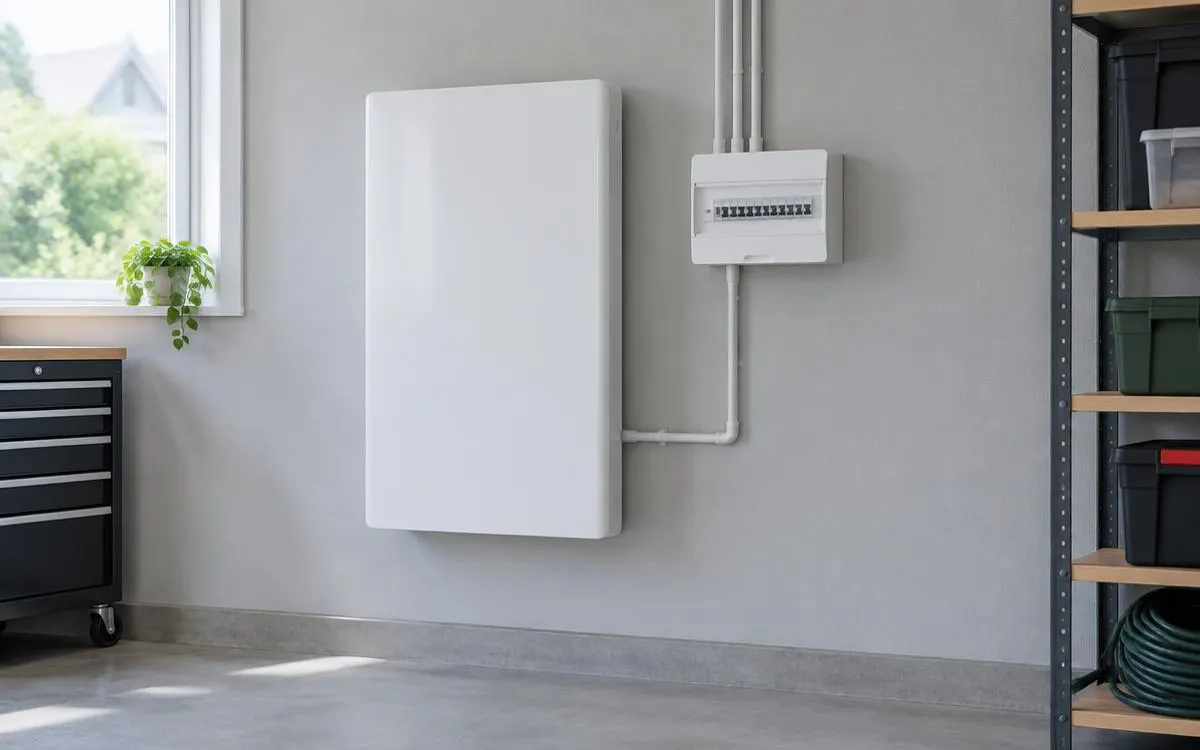
Battery Energy Storage Systems (BESS)
What a home battery energy storage system is, its key parts, how to size it and how to fund it with the Warm Homes Loan Scheme.
Read the guideLast checked: 30 October 2026
What a home battery does, the choices that shape your system and how the Warm Homes Loan Scheme applies.
We help UK homeowners understand home battery storage. This page explains what a battery does, the main design choices and how to fund one. We use published sources from GOV.UK, the Energy Saving Trust, MCS and MoneySavingExpert. Each guide below covers one topic in more detail.
We do not quote battery prices, savings, lifespans or cycle counts. These depend on the product, your home and your energy use. A written quote from an MCS-certified installer gives you the figures for your home. We show you what to ask, so you can compare systems fairly.
Independent guide. We are not a lender or a government body. Always check current scheme rules with the official provider.
A home battery stores electricity so you can use it later. It can charge from solar panels during the day and power your home in the evening. It can also charge from the grid when electricity is cheaper on a time-of-use tariff. A battery management system controls charging and protects the cells.
Two figures describe a battery. Capacity, measured in kilowatt-hours (kWh), is how much energy it stores. Power, measured in kilowatts (kW), is how fast it can deliver that energy. Your installer should match both to your energy use.
Several design choices affect the quote and how the battery works for you. Ask each installer to explain their choice on each point. Request a written quote that lists every item. The list below explains each choice in plain terms.
The Warm Homes Loan Scheme sets a £15,000 maximum for battery storage. This is separate from the £15,000 maximum for solar panels. Batteries are not in the Boiler Upgrade Scheme grant categories. Three details are not yet confirmed. The Government has not published the eligibility rules. It has not confirmed how or when you apply. Each lender has not yet published its rates.
Get two or three written quotes from MCS-certified installers. Compare the capacity, power, warranty and total price of each system.
What a home battery energy storage system is, its key parts, how to size it and how to fund it with the Warm Homes Loan Scheme.
Read the guideWhat a home battery energy storage system is, its key parts, how to size it and how to fund it with the Warm Homes Loan Scheme.
22 October 2026WHLS Editorial Team
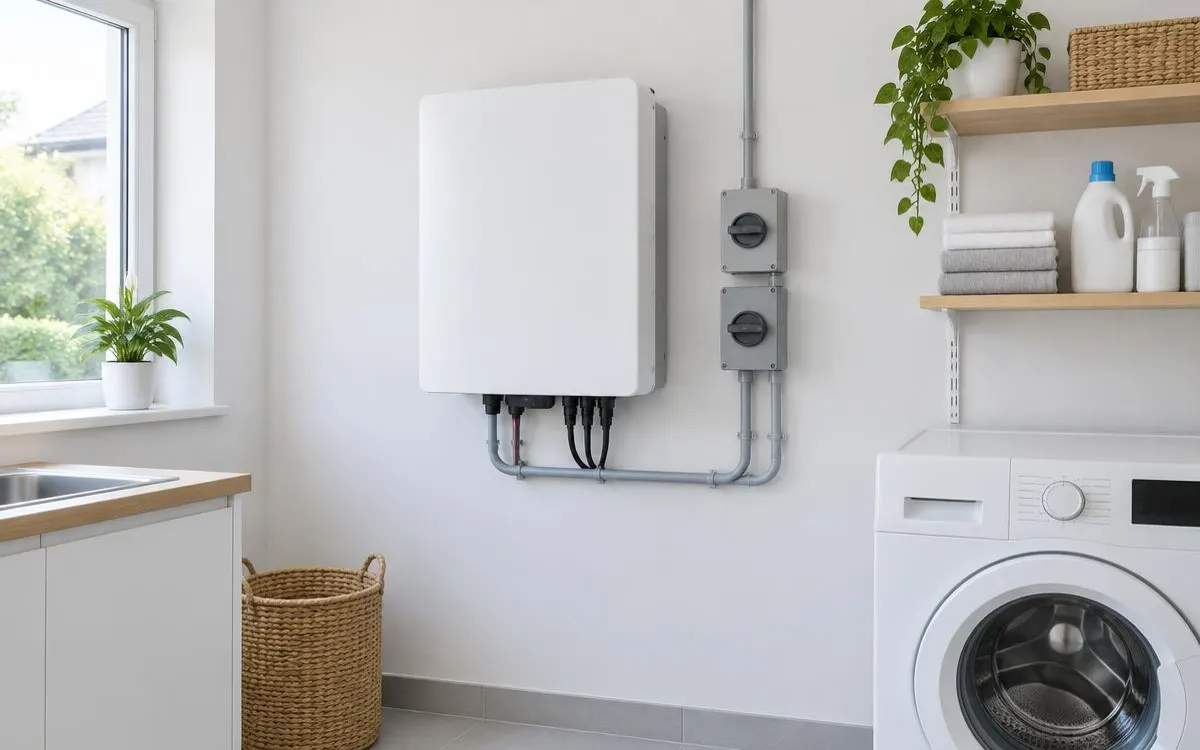
What a battery management system does, how it protects the cells in your home battery and what to check in the warranty.
22 October 2026WHLS Editorial Team
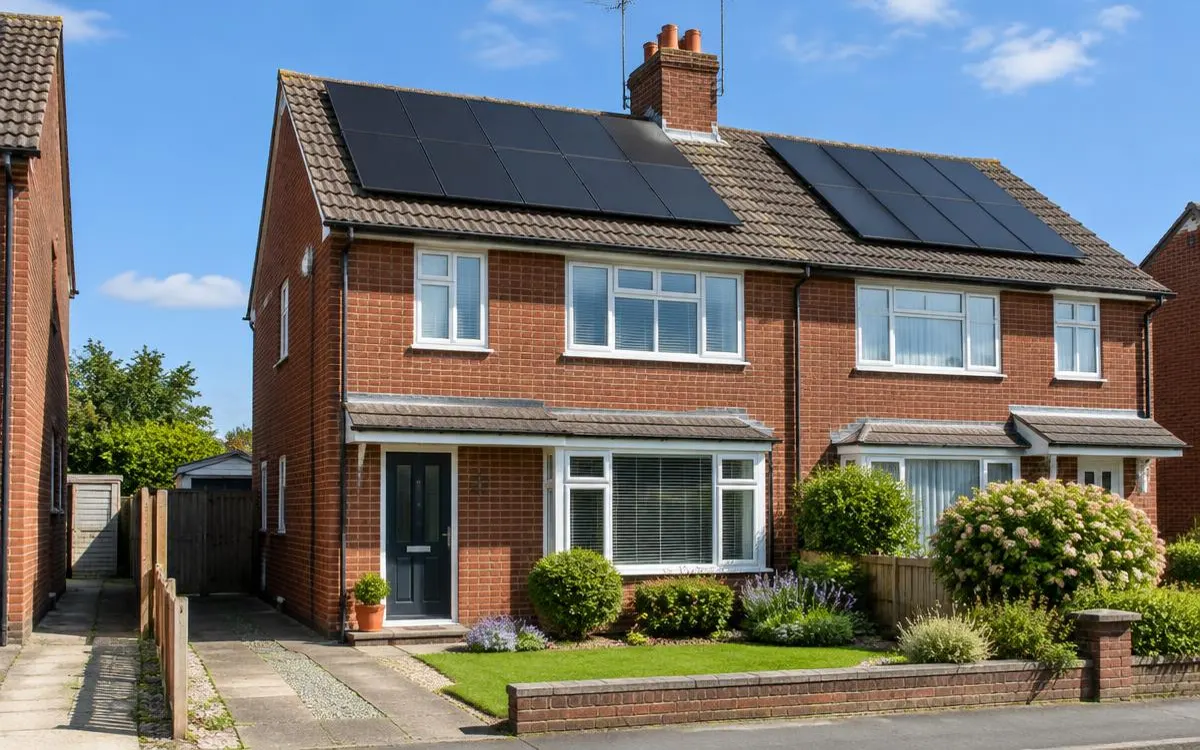
The main home energy storage options, how batteries pair with solar, how time-of-use tariffs work and how to choose a system.
23 October 2026WHLS Editorial Team

How energy storage helps balance the electricity grid, how home batteries fit in and what grid flexibility means for you.
23 October 2026WHLS Editorial Team

How to compare home battery options on capacity, power, siting and warranty, and how to fund one with the Warm Homes Loan Scheme.
24 October 2026WHLS Editorial Team
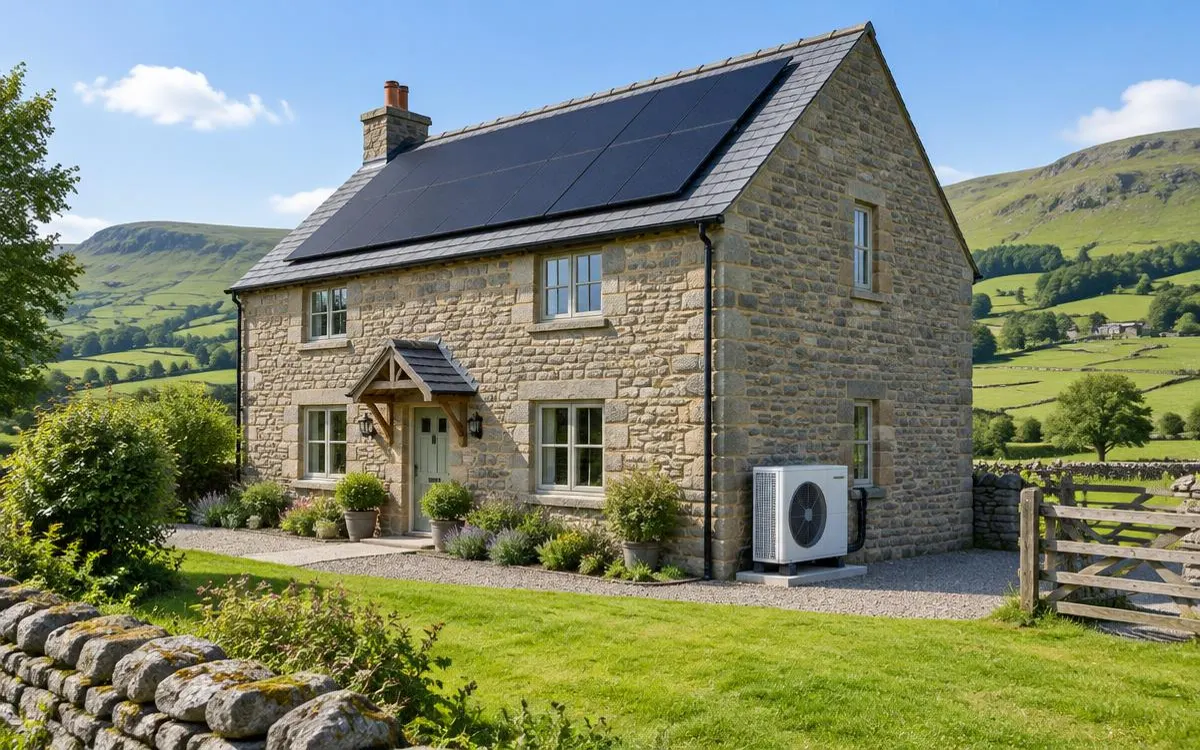
What living off-grid means, the trade-offs in designing an off-grid system, backup options and how to plan with a certified installer.
24 October 2026WHLS Editorial Team

The main lithium-ion chemistries in home batteries, what affects battery life, how to stay safe and how to recycle a battery.
25 October 2026WHLS Editorial Team

Which incentives support home battery storage, how the Warm Homes Loan Scheme applies and how to check tariff and export options.
25 October 2026WHLS Editorial Team
No. A battery can charge from the grid at cheaper times on a time-of-use tariff. Solar panels let you store your own electricity too.
The Warm Homes Loan Scheme sets a £15,000 maximum for battery storage, separate from the £15,000 solar maximum.
Batteries are not in the Boiler Upgrade Scheme grant categories. Check official Energy Saving Trust advice for other routes.
Kilowatt-hours describe how much energy the battery stores. Kilowatts describe how fast it delivers that energy.
They depend on the product and your use. A written quote and the manufacturer's warranty give you accurate details.
Not yet. The Government has not confirmed eligibility rules or how and when you apply.