This guide is for UK homeowners thinking about an off-grid energy system. It explains what off-grid means, the design trade-offs and the backup options to consider. It also covers funding and installer checks. We do not quote prices, savings or system sizes, because each property needs its own design.
Independent guide. We are not a lender or a government body. Always check current scheme rules with the official provider.
What off-grid means
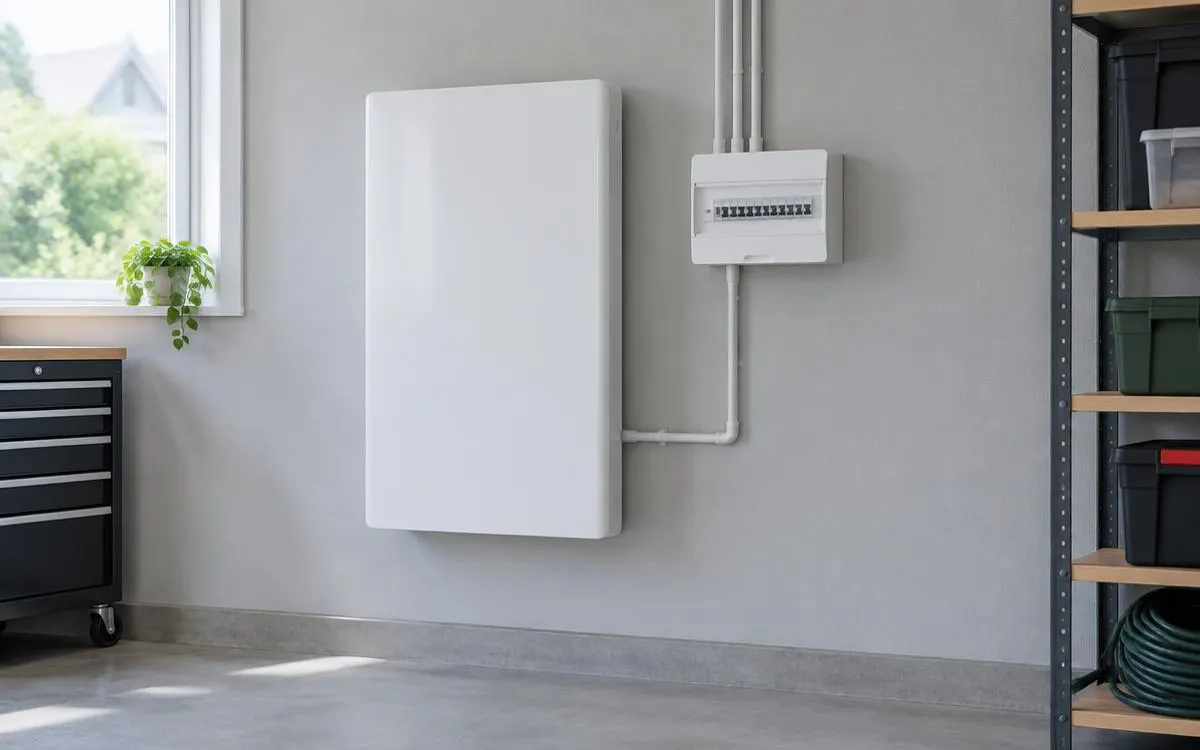
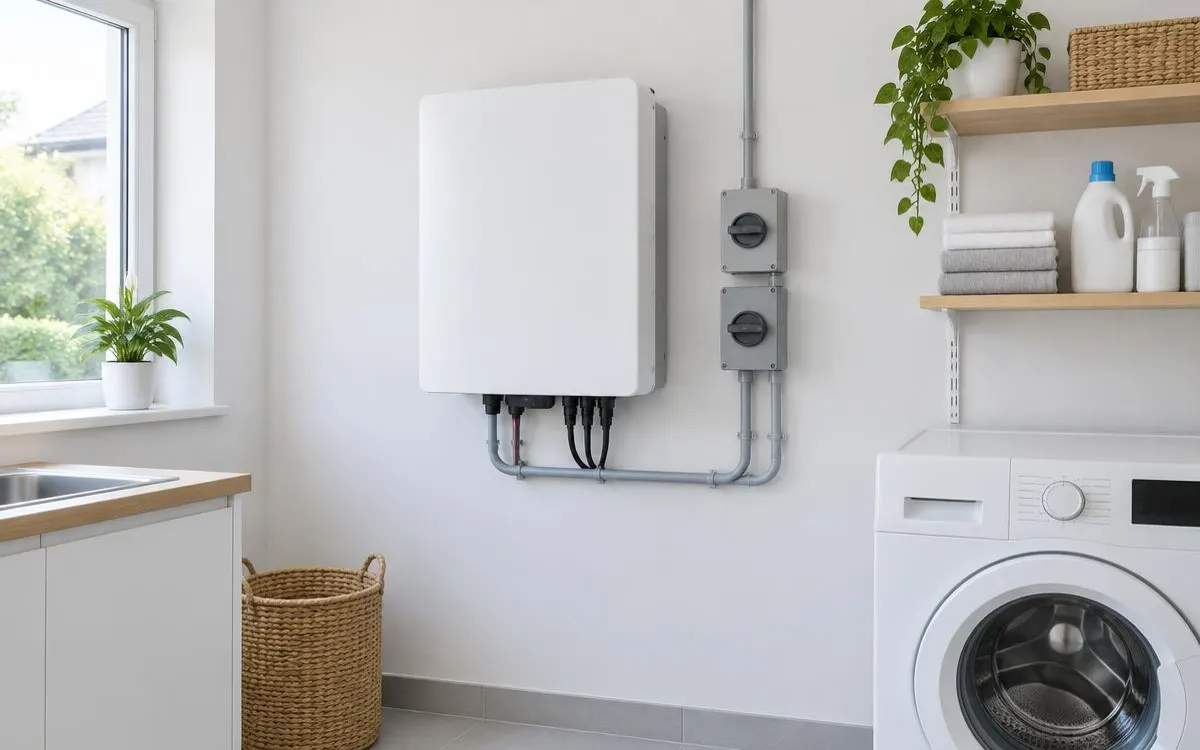
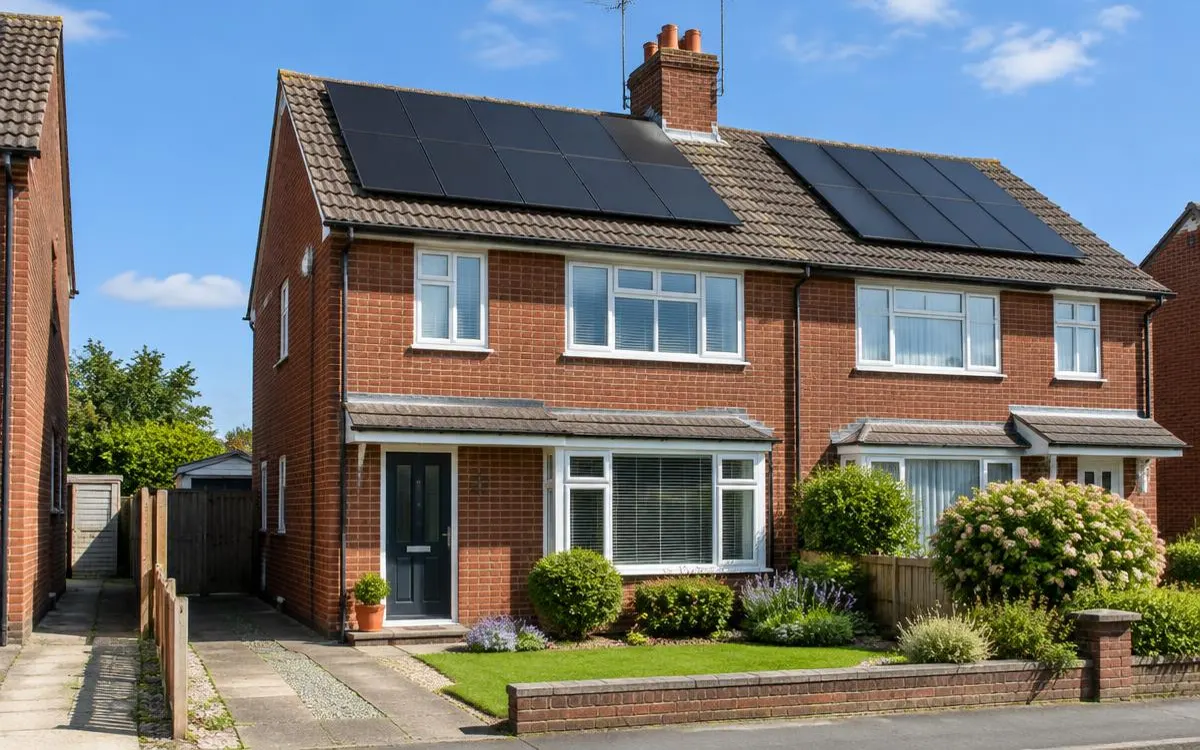
An off-grid home has no connection to the electricity grid. It generates and stores all the power it uses. Solar panels and batteries are common parts of an off-grid system. Some systems add other generation or a backup generator.
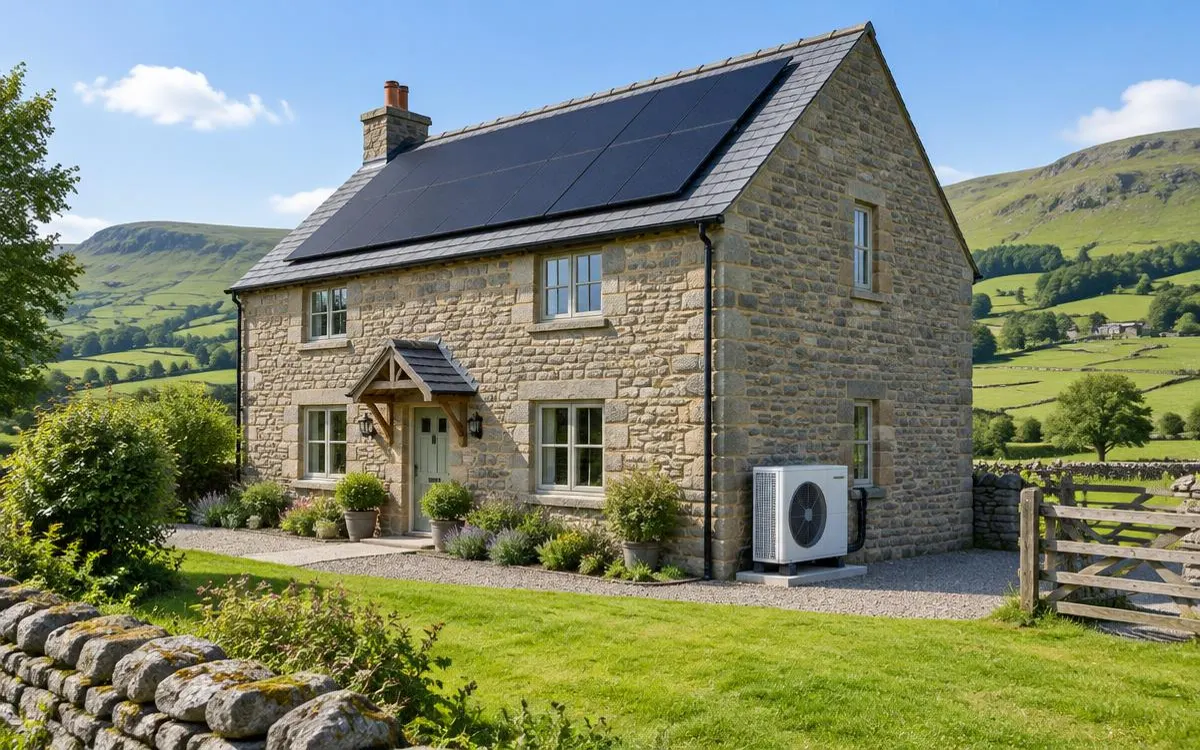
Off-grid suits some remote properties where a grid connection is impractical. Most homes stay connected and use a battery alongside the grid. A grid-connected battery gives you storage without the full responsibility of off-grid living. Think carefully about which approach suits your property.
Design trade-offs
An off-grid system must cover your needs through every season. Solar generation is lower in winter, when demand is often higher. That gap shapes every design decision. The list below sets out the main trade-offs.
- Larger battery capacity covers more days of low generation but adds cost and space.
- More generation reduces reliance on stored energy but needs more roof or ground space.
- A backup generator covers long low-generation periods but uses fuel and needs servicing.
- Lower household demand reduces the system size you need.
- Careful energy management becomes part of daily life.
Planning an off-grid system
Off-grid design needs specialist input. A mistake in sizing can leave you without power. Work with an installer who has off-grid experience. Follow these steps to plan.
- Record your electricity use across the year, not just one season.
- List ways to reduce demand before you size the system.
- Ask two or three MCS-certified installers for an off-grid design and written quote.
- Ask each installer how the design covers winter and long cloudy spells.
- Agree a backup plan and a servicing schedule.
The Warm Homes Loan Scheme sets a £15,000 maximum for battery storage and a separate £15,000 maximum for solar panels. Batteries are not in the Boiler Upgrade Scheme grant categories. Three details are not yet confirmed. The Government has not published the eligibility rules. It has not confirmed how or when you apply. Each lender has not yet published its rates.
Checklist
- Year-round electricity use recorded
- Demand reduction steps listed
- Off-grid designs received from experienced installers
- Winter cover explained in each design
- Backup and servicing plan agreed
- MCS certification checked
Frequently asked questions
What does off-grid mean?
Your home has no grid connection and generates and stores all its own power.
Is off-grid right for my home?
It suits some remote properties. Most homes use a battery while staying connected to the grid.
Why is winter a challenge?
Solar generation is lower in winter, when demand is often higher. The design must cover that gap.
Do I need a backup generator?
Many off-grid designs include one. Ask your installer how their design covers long low-generation periods.
How much can I borrow?
The Warm Homes Loan Scheme sets £15,000 maximums for battery storage and for solar panels.
So you can weigh the trade-offs of off-grid living and plan a system that keeps your home powered.
WHLS Editorial Team
Our editorial team writes independent, plain-English guides on home energy finance. We review guides when scheme rules change.
References
- GOV.UK – Notice of approved grant categories and values for the Boiler Upgrade Scheme (opens in a new tab)
- Energy Saving Trust – Boiler Upgrade Scheme (opens in a new tab)
- MoneySavingExpert – Warm Homes Loan Scheme news (October 2026) (opens in a new tab)
- Financial Conduct Authority – Financial Services Register (opens in a new tab)
- MCS – Find an installer (opens in a new tab)