This guide is for UK homeowners considering a battery energy storage system, often shortened to BESS. It explains what a BESS does, the parts inside it and how installers size one. It also covers funding and the checks to make. We do not quote prices, savings or lifespans, because they depend on the product and your home.
Independent guide. We are not a lender or a government body. Always check current scheme rules with the official provider.
What a home BESS does and its key parts
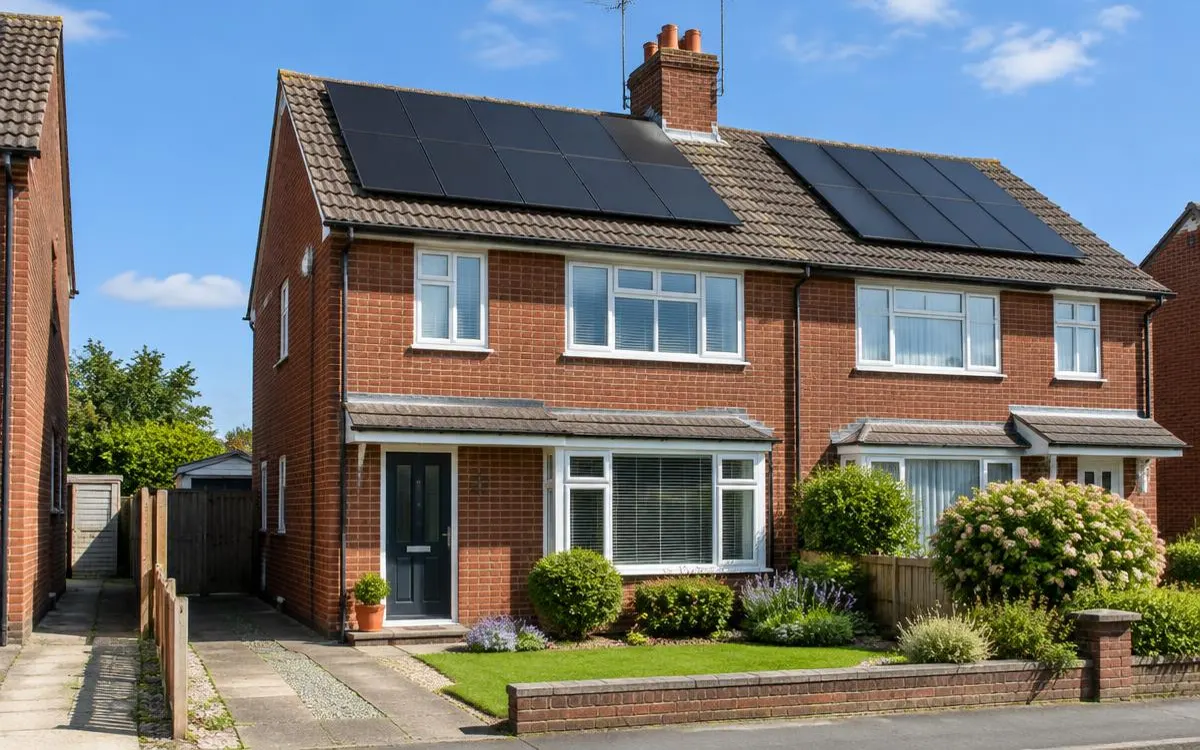
A battery energy storage system stores electricity for later use. It can charge from solar panels or from the grid. It then supplies your home when you need power. This lets you use more of your own solar electricity or charge when grid electricity is cheaper.
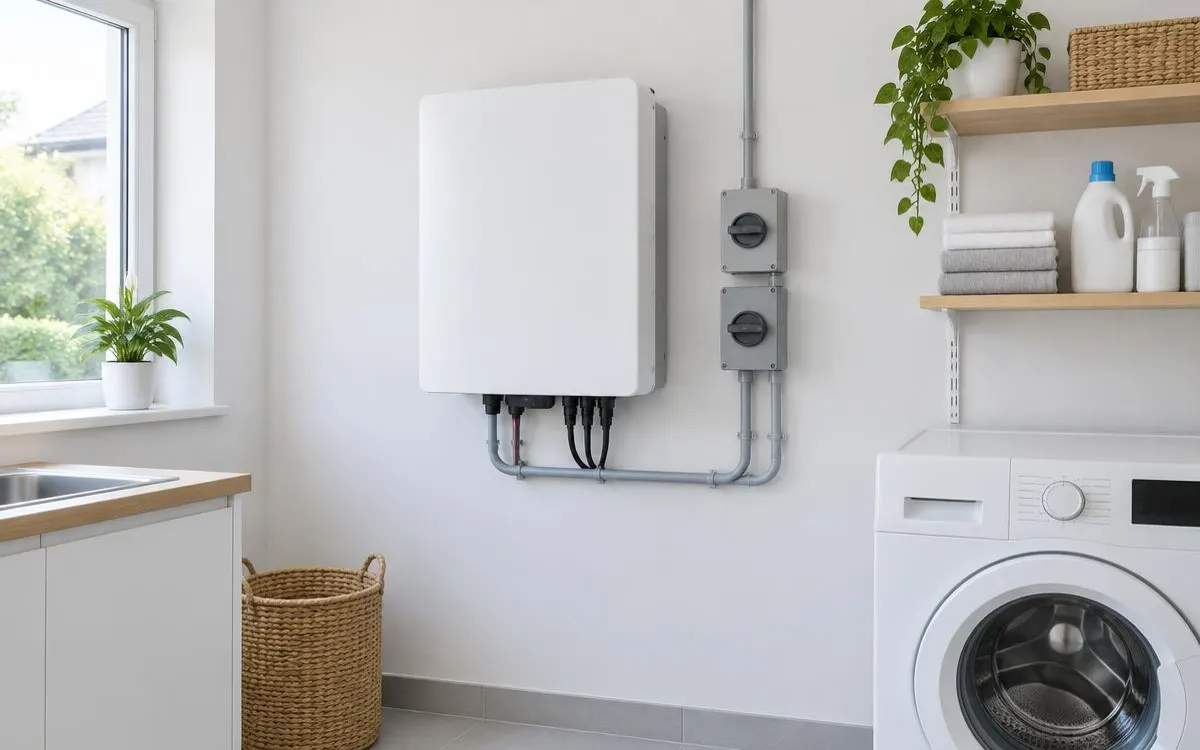
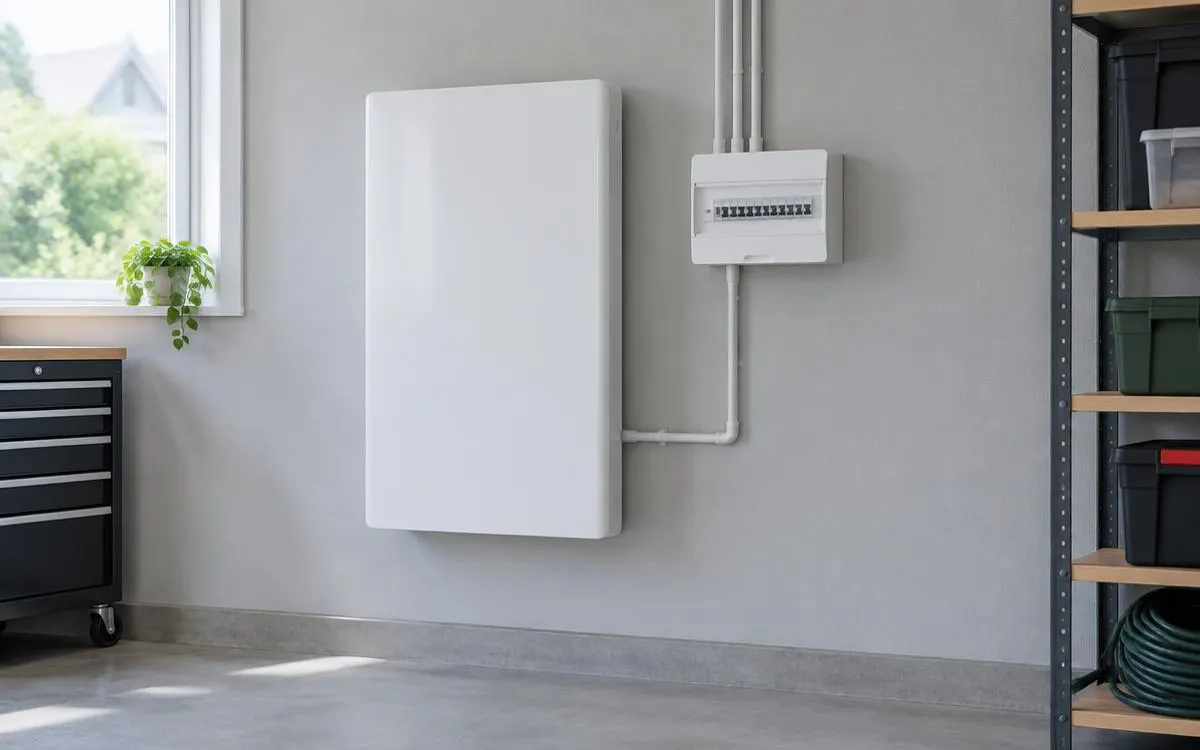
Every system combines a few core parts. Knowing them helps you read a quote. The list below explains each one.
- Battery cells, which store the energy.
- A battery management system, which controls charging and protects the cells.
- An inverter, which converts stored electricity into the type your home uses.
- Monitoring, often through an app, which shows how the battery charges and discharges.
- Isolation switches and protective devices, which keep the system safe to work on.
Sizing a battery for your home
Two figures describe a battery. Capacity, in kilowatt-hours (kWh), is how much energy it holds. Power, in kilowatts (kW), is how fast it can deliver that energy. A large capacity with low power stores plenty but runs fewer appliances at once.
Your installer should size the system to your energy use. They will look at when you use electricity and whether you have solar panels. Follow these steps to prepare.
- Gather recent electricity bills or smart meter data.
- Note when your household uses the most electricity.
- List any solar panels you have or plan to fit.
- Ask two or three MCS-certified installers to recommend a capacity and power.
- Ask each installer to explain how they reached their recommendation.
Funding and choosing an installer
The Warm Homes Loan Scheme sets a £15,000 maximum for battery storage. This is separate from the £15,000 maximum for solar panels. Batteries are not in the Boiler Upgrade Scheme grant categories. Three details are not yet confirmed. The Government has not published the eligibility rules. It has not confirmed how or when you apply. Each lender has not yet published its rates.
Use the MCS installer search to find certified firms. Compare written quotes on capacity, power, warranty and total price.
Checklist
- Electricity use and peak times noted
- Solar panels listed, if any
- Capacity and power recommendations received
- Two or three MCS-certified quotes compared
- Warranty terms read
- Any loan compared on total cost of credit
Frequently asked questions
What does BESS stand for?
Battery energy storage system. It stores electricity so you can use it later.
Do I need solar panels for a BESS?
No. A battery can charge from the grid. Solar panels let you store your own electricity too.
How do I know what size I need?
An MCS-certified installer should size it from your energy use and any solar panels you have.
How much can I borrow for a battery?
The Warm Homes Loan Scheme sets a £15,000 maximum, separate from the solar maximum.
Is there a grant for a BESS?
Batteries are not in the Boiler Upgrade Scheme grant categories.
So you can choose a battery system sized to your home and fund it on fair terms.
WHLS Editorial Team
Our editorial team writes independent, plain-English guides on home energy finance. We review guides when scheme rules change.
References
- GOV.UK – Notice of approved grant categories and values for the Boiler Upgrade Scheme (opens in a new tab)
- Energy Saving Trust – Boiler Upgrade Scheme (opens in a new tab)
- MoneySavingExpert – Warm Homes Loan Scheme news (October 2026) (opens in a new tab)
- Financial Conduct Authority – Financial Services Register (opens in a new tab)
- MCS – Find an installer (opens in a new tab)