This guide is for UK homeowners who want to understand how energy storage supports the electricity grid. It explains why the grid needs balance, how storage helps and where home batteries fit. It ends with what this means for you. We keep it conceptual and do not quote capacity statistics.
Independent guide. We are not a lender or a government body. Always check current scheme rules with the official provider.
Why the grid needs balance
The electricity grid must match supply and demand at every moment. Demand rises in the morning and evening and falls overnight. Solar and wind generation rise and fall with the weather. Grid operators work constantly to keep the two in step.
Storage helps by moving energy in time. It charges when supply is high or demand is low. It then releases energy when demand peaks. This reduces strain on the grid at busy times.
How home batteries fit in
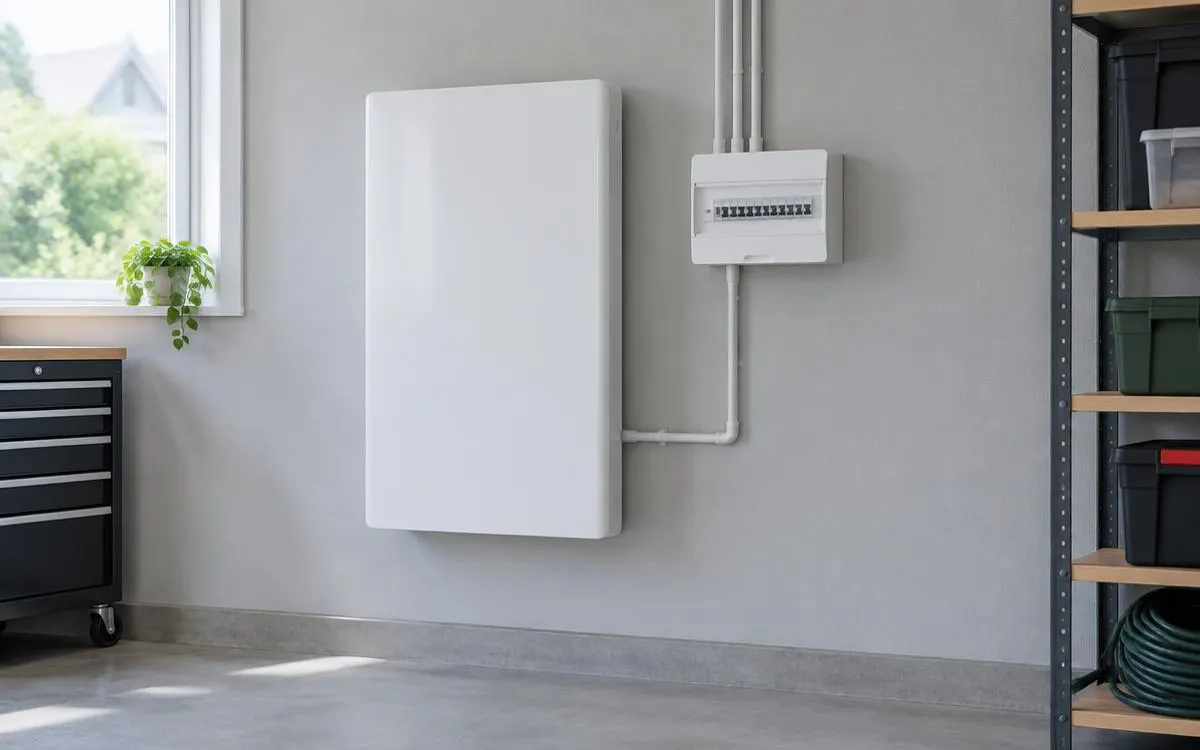
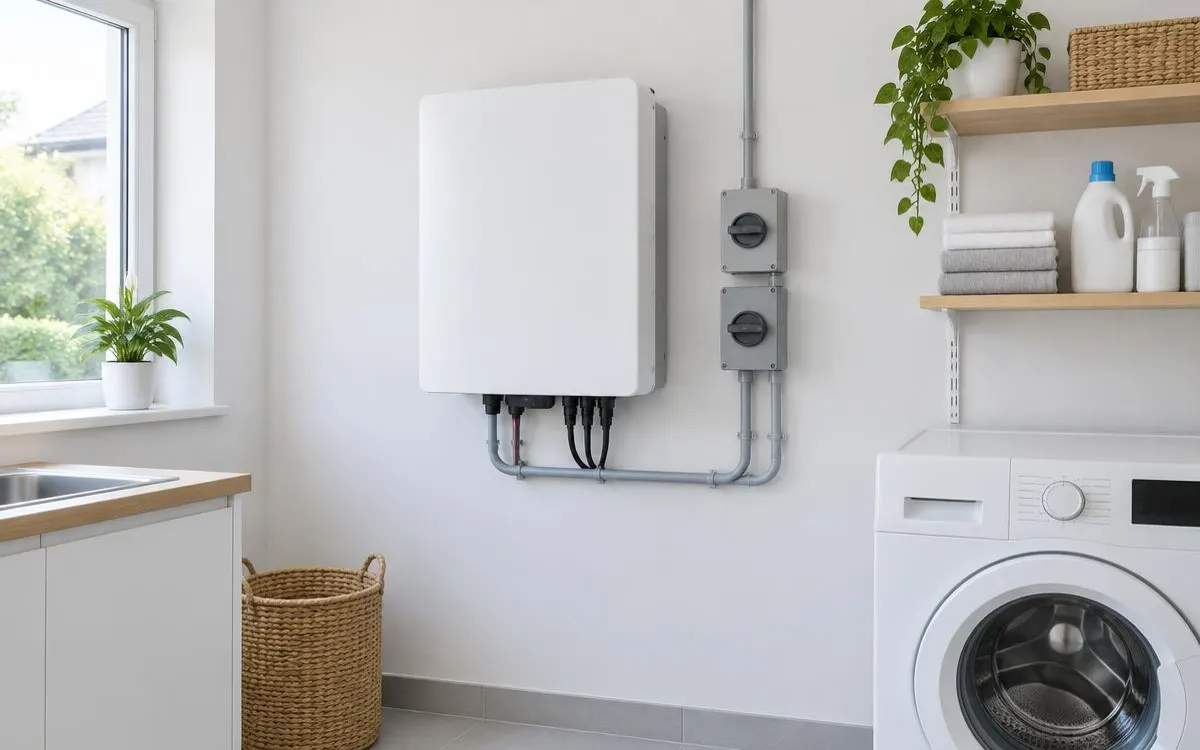
Large storage sites connect directly to the grid. Home batteries work on a much smaller scale, but they follow the same principle. Each one shifts some household demand away from peak times. The list below shows the main ways a home battery interacts with the grid.
- Charging at off-peak times, which moves demand away from busy periods.
- Storing solar electricity at home rather than sending it all to the grid at midday.
- Exporting stored electricity, where your supplier and setup allow it.
- Taking part in flexibility services, where a supplier offers them.
What it means for you
Grid flexibility can create options for homeowners with batteries. Some suppliers offer time-of-use or export arrangements. Terms vary and change, so check them directly with your supplier. Follow these steps to explore your options.
- Ask your supplier about time-of-use and export options.
- Check whether your battery can respond to tariff or grid signals.
- Ask your installer whether export needs any approval for your setup.
- Compare written quotes from two or three MCS-certified installers.
The Warm Homes Loan Scheme sets a £15,000 maximum for battery storage, separate from the £15,000 solar maximum. Batteries are not in the Boiler Upgrade Scheme grant categories. Three details are not yet confirmed. The Government has not published the eligibility rules. It has not confirmed how or when you apply. Each lender has not yet published its rates.
Checklist
- Grid balance and storage role understood
- Supplier asked about tariff and export options
- Battery's smart features checked
- Export approval checked with your installer
- Two or three MCS-certified quotes compared
Frequently asked questions
How does storage help the grid?
It charges when supply is high or demand is low, then releases energy at peak times.
Does my home battery help the grid?
It can, by shifting your demand away from peak times. The effect of one home is small, but the principle is the same.
Can I sell stored electricity?
Some suppliers offer export arrangements. Check the terms with your supplier.
What is a flexibility service?
An arrangement where your battery responds to grid needs. Ask your supplier whether they offer one.
How much can I borrow for a battery?
The Warm Homes Loan Scheme sets a £15,000 maximum for battery storage.
So you can understand how your battery fits into the wider grid and ask your supplier the right questions.
WHLS Editorial Team
Our editorial team writes independent, plain-English guides on home energy finance. We review guides when scheme rules change.
References
- GOV.UK – Notice of approved grant categories and values for the Boiler Upgrade Scheme (opens in a new tab)
- Energy Saving Trust – Boiler Upgrade Scheme (opens in a new tab)
- MoneySavingExpert – Warm Homes Loan Scheme news (October 2026) (opens in a new tab)
- Financial Conduct Authority – Financial Services Register (opens in a new tab)
- MCS – Find an installer (opens in a new tab)