This guide is for UK homeowners comparing home energy storage options. It explains the main battery choices, how a battery pairs with solar panels and how time-of-use tariffs work. It ends with steps to choose a system. We do not name suppliers or quote prices, rates or savings.
Independent guide. We are not a lender or a government body. Always check current scheme rules with the official provider.
Pairing a battery with solar panels
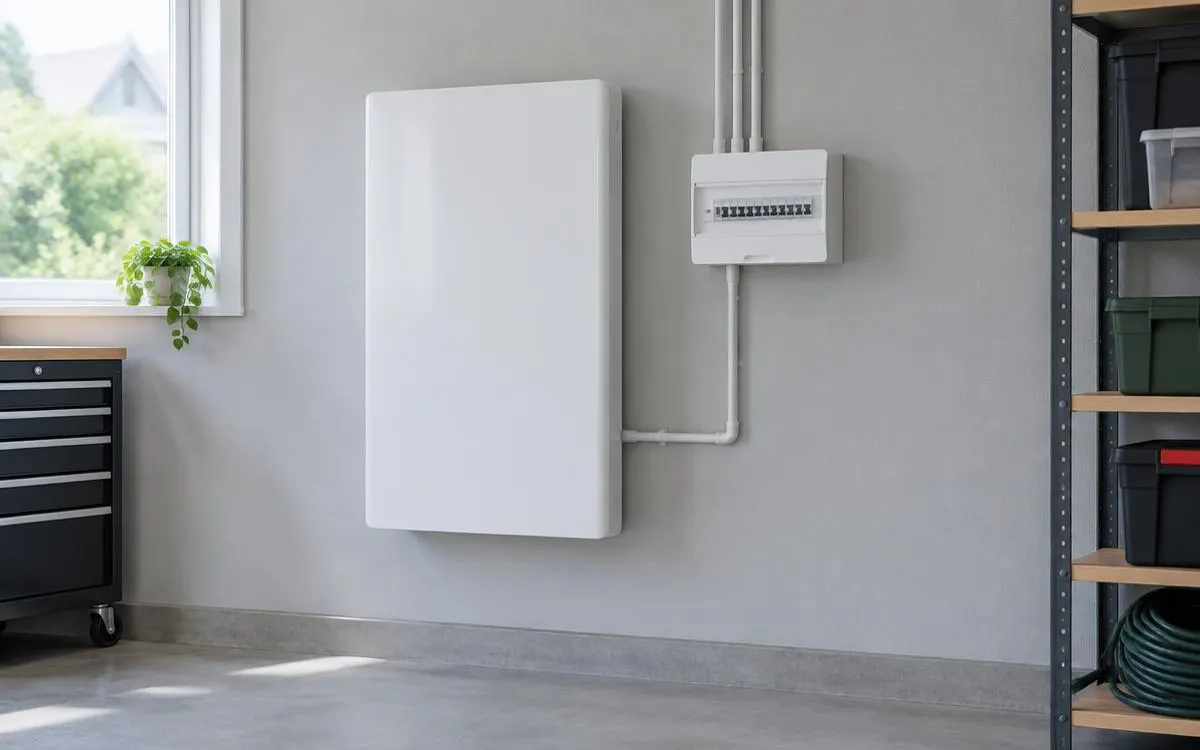
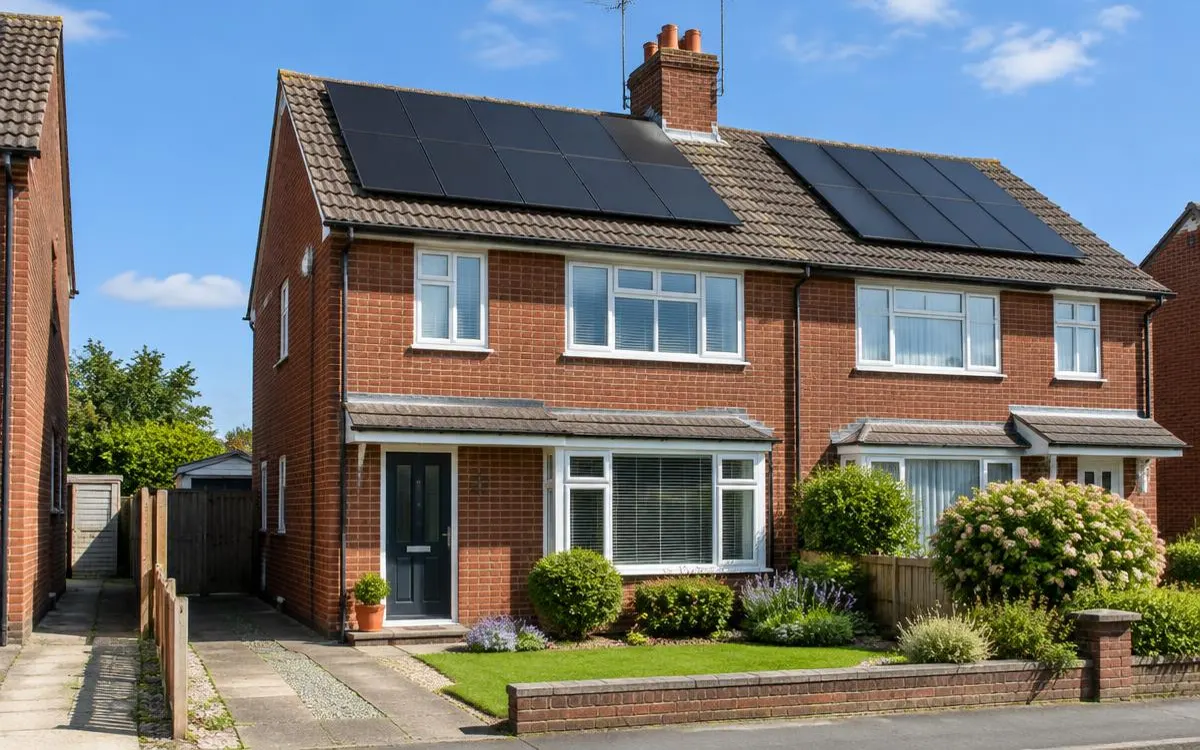
A battery stores solar electricity that you do not use straight away. You can then use it in the evening. There are two main ways to connect a battery to solar panels. The right choice depends on whether you already have panels.
- DC-coupled. The battery and panels share one hybrid inverter. This suits new installs where you fit panels and a battery together.
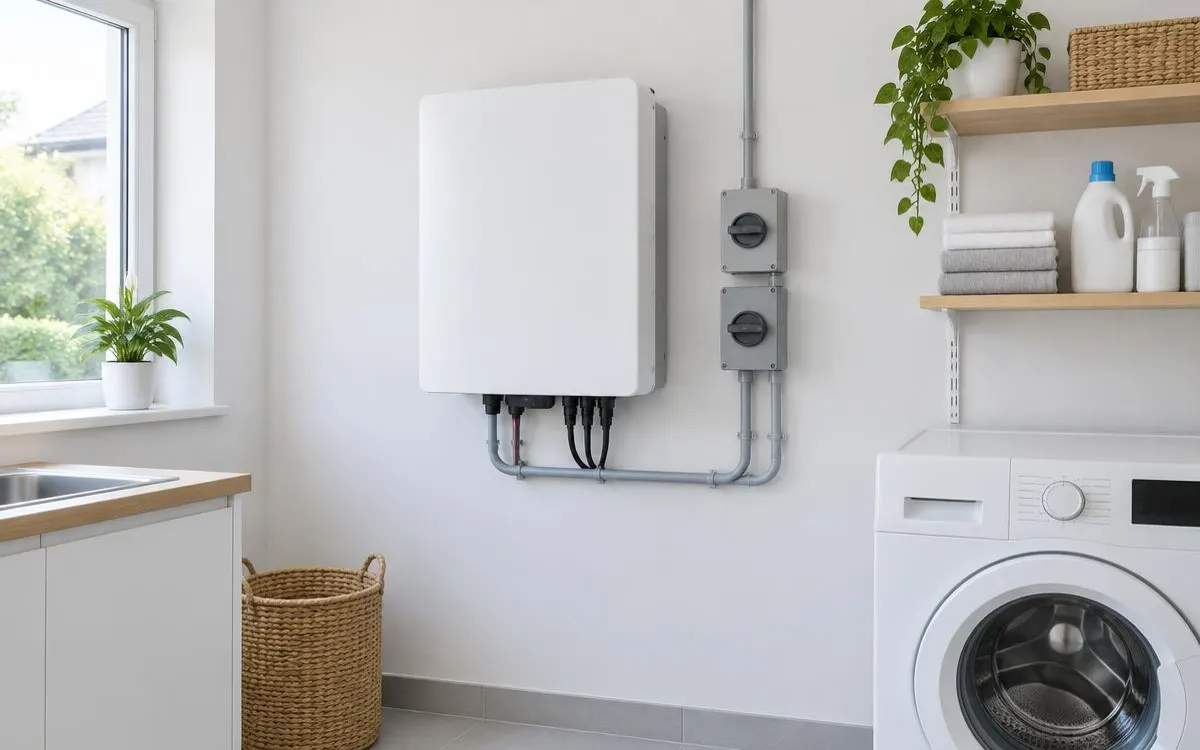
- AC-coupled. The battery has its own inverter and connects to your home's supply. This suits homes that already have solar panels.
Your installer should explain why they recommend one option. Ask how each choice affects the equipment on your quote.
Time-of-use tariffs explained
A time-of-use tariff charges different prices at different times of day. Electricity is usually cheaper overnight or at other off-peak times. A battery can charge when prices are low and power your home when they are high. This works with or without solar panels.
Tariffs vary between suppliers and change over time. Check the current options with your energy supplier. Ask whether your battery's software can follow the tariff times automatically.
Choosing a storage system
Start with how you use electricity, then match the system to it. Capacity, in kilowatt-hours, sets how much energy the battery stores. Power, in kilowatts, sets how fast it delivers that energy. Follow these steps to choose.
- Note your daily electricity use and when you use the most.
- Decide whether you will pair the battery with solar panels.
- Check time-of-use tariff options with your supplier.
- Ask two or three MCS-certified installers for written quotes.
- Compare coupling type, capacity, power, siting and warranty.
- Check each installer's MCS certification before you sign.
The Warm Homes Loan Scheme sets a £15,000 maximum for battery storage, separate from the £15,000 solar maximum. Batteries are not in the Boiler Upgrade Scheme grant categories. Three details are not yet confirmed. The Government has not published the eligibility rules. It has not confirmed how or when you apply. Each lender has not yet published its rates.
Checklist
- Daily electricity use noted
- Solar pairing decided
- AC or DC coupling explained
- Tariff options checked with your supplier
- Two or three MCS-certified quotes compared
- Warranty terms read
Frequently asked questions
What is the difference between AC and DC coupling?
DC-coupled batteries share an inverter with solar panels. AC-coupled batteries have their own inverter.
Can I add a battery to existing solar panels?
Often, yes. An AC-coupled battery usually suits homes with existing panels. Ask your installer.
What is a time-of-use tariff?
A tariff that charges different prices at different times of day. Check current options with your supplier.
Do I need solar panels for a battery to help?
No. A battery can charge at cheaper times on a time-of-use tariff.
How much can I borrow for storage?
The Warm Homes Loan Scheme sets a £15,000 maximum for battery storage.
So you can choose a storage system that fits your home, your solar plans and your tariff.
WHLS Editorial Team
Our editorial team writes independent, plain-English guides on home energy finance. We review guides when scheme rules change.
References
- GOV.UK – Notice of approved grant categories and values for the Boiler Upgrade Scheme (opens in a new tab)
- Energy Saving Trust – Boiler Upgrade Scheme (opens in a new tab)
- MoneySavingExpert – Warm Homes Loan Scheme news (October 2026) (opens in a new tab)
- Financial Conduct Authority – Financial Services Register (opens in a new tab)
- MCS – Find an installer (opens in a new tab)