This guide is for UK homeowners who want to understand the lithium-ion batteries used in home storage. It explains the main chemistries, what affects battery life, safety and recycling. We keep the explanation plain. We do not quote lifespans, cycle counts or percentages, because they vary by product.
Independent guide. We are not a lender or a government body. Always check current scheme rules with the official provider.
Lithium-ion chemistries
Most home batteries use lithium-ion cells. Lithium-ion is a family of chemistries rather than a single type. Each chemistry balances size, weight, safety and cost differently. The two you are most likely to see are listed below.
- Lithium iron phosphate (LFP). Widely used in home storage and known for thermal stability.
- Nickel manganese cobalt (NMC). Stores more energy for its size, so units can be more compact.
Ask your installer which chemistry a product uses and why they recommend it for your home.
What affects battery life and safety
Every lithium-ion battery loses some capacity as it ages. How quickly this happens depends on the chemistry, temperature and how the battery is used. The battery management system protects the cells from harmful conditions. The manufacturer's warranty sets out what capacity it covers over time.
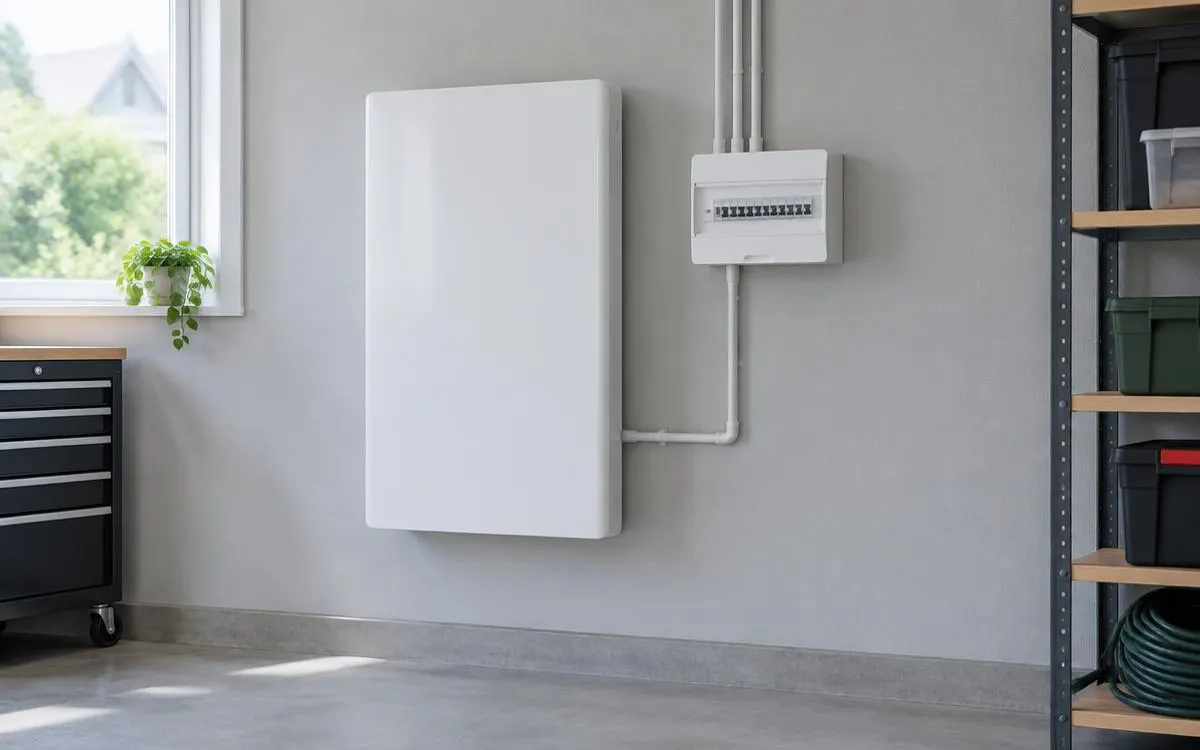
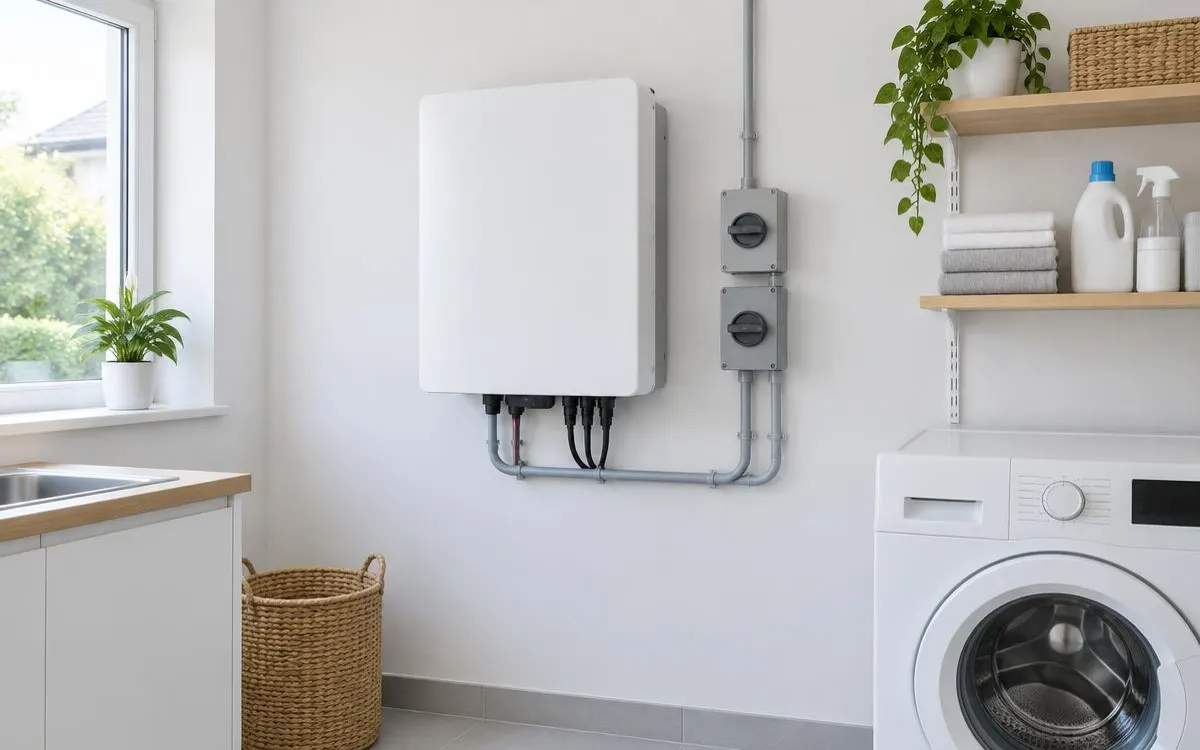
Safe installation matters as much as the chemistry. Your installer should follow the manufacturer's rules on siting, ventilation and clearance. Never open a battery or attempt repairs yourself. Contact your installer if your monitoring shows a fault.
Recycling and choosing a battery
Lithium-ion batteries must not go in household waste. Ask your installer or the manufacturer how they handle removal and recycling at end of life. Keep your installation documents, as they help with safe disposal. Follow these steps when you choose a battery.
- Ask which chemistry each quoted product uses.
- Read the warranty's capacity terms and conditions.
- Confirm the siting and ventilation rules for each product.
- Ask how the battery will be removed and recycled at end of life.
- Compare written quotes from two or three MCS-certified installers.
The Warm Homes Loan Scheme sets a £15,000 maximum for battery storage, separate from the £15,000 solar maximum. Batteries are not in the Boiler Upgrade Scheme grant categories. Three details are not yet confirmed. The Government has not published the eligibility rules. It has not confirmed how or when you apply. Each lender has not yet published its rates.
Checklist
- Battery chemistry confirmed
- Warranty capacity terms read
- Siting and ventilation rules checked
- End-of-life recycling route confirmed
- Two or three MCS-certified quotes compared
Frequently asked questions
What is the difference between LFP and NMC?
LFP is known for thermal stability. NMC stores more energy for its size, so units can be more compact.
How long will my battery last?
It depends on the product and how you use it. Check the manufacturer's warranty for capacity terms.
Are lithium-ion batteries safe at home?
Installed correctly, with a battery management system and the right siting, they are designed for home use. Never open or repair one yourself.
How do I recycle a home battery?
Never put it in household waste. Ask your installer or the manufacturer about removal and recycling.
How much can I borrow for a battery?
The Warm Homes Loan Scheme sets a £15,000 maximum for battery storage.
So you can understand the battery inside your system and look after it safely from install to recycling.
WHLS Editorial Team
Our editorial team writes independent, plain-English guides on home energy finance. We review guides when scheme rules change.
References
- GOV.UK – Notice of approved grant categories and values for the Boiler Upgrade Scheme (opens in a new tab)
- Energy Saving Trust – Boiler Upgrade Scheme (opens in a new tab)
- MoneySavingExpert – Warm Homes Loan Scheme news (October 2026) (opens in a new tab)
- Financial Conduct Authority – Financial Services Register (opens in a new tab)
- MCS – Find an installer (opens in a new tab)