This guide is for UK homeowners comparing battery options for their home. It covers capacity and power, where to fit a battery and what to look for in a warranty. It also explains funding and installer checks. We do not quote prices, savings or lifespans, because they depend on the product and your home.
Independent guide. We are not a lender or a government body. Always check current scheme rules with the official provider.
Capacity and power
Capacity tells you how much energy a battery stores, measured in kilowatt-hours (kWh). Power tells you how fast it delivers that energy, measured in kilowatts (kW). Both matter for daily use. A battery with high capacity but low power runs fewer appliances at the same time.
Think about when you use electricity. A household with high evening use needs enough capacity to cover those hours. A household that runs several large appliances at once needs enough power. Your installer should explain how they matched both to your home.
Indoor or outdoor siting
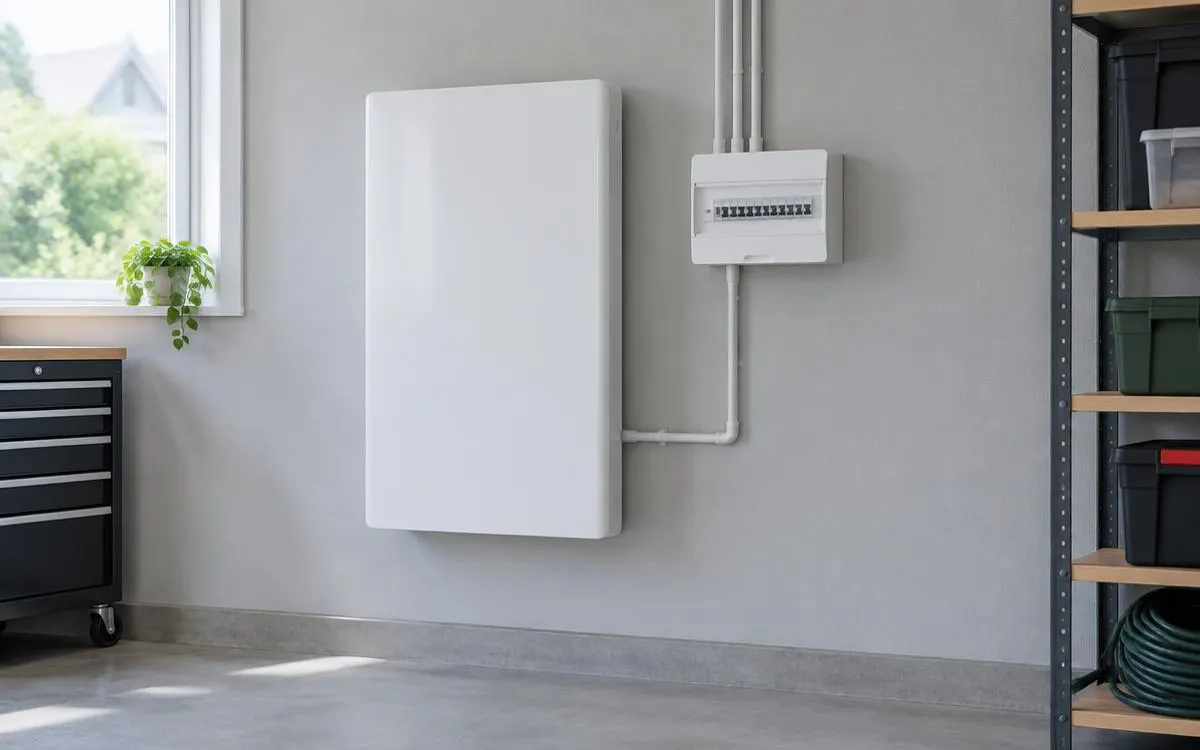
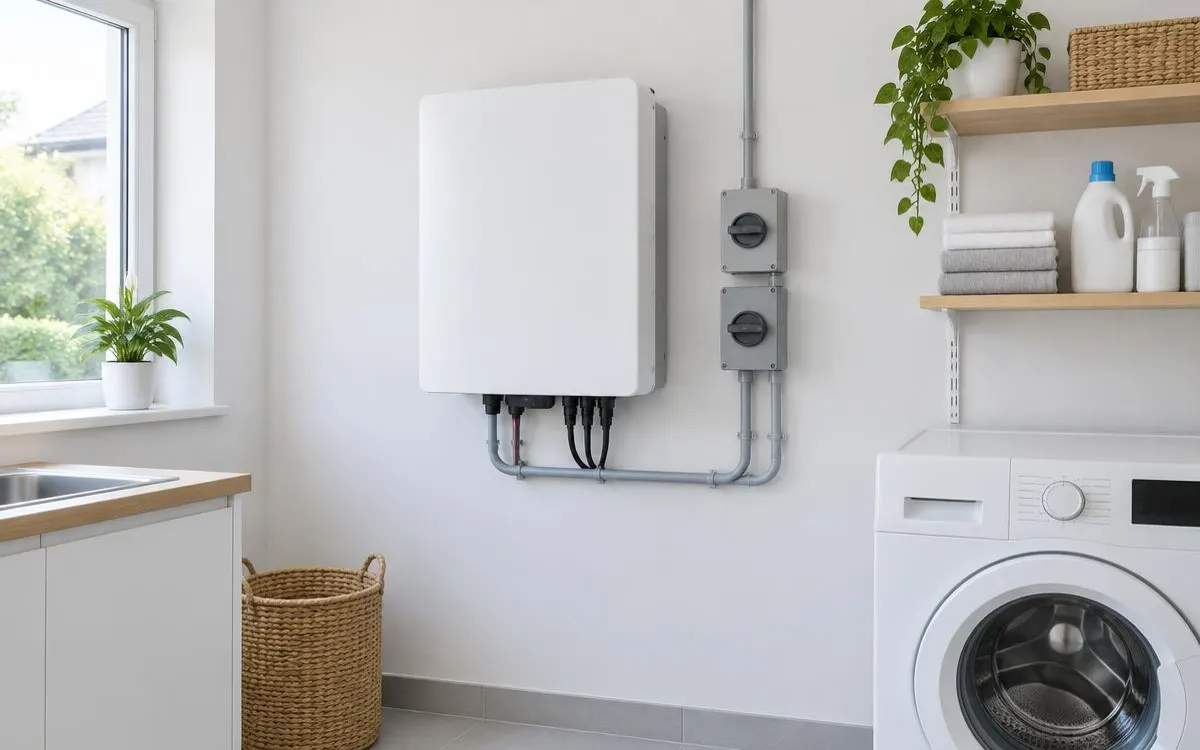
Where you fit a battery affects safety, access and the installation work. Each product has rules on where it can go. Your installer should check these during the survey. The list below covers the main points.
- Indoor siting, such as a garage or utility room, keeps the battery sheltered.
- Outdoor siting needs a product rated for outdoor use and a suitable wall.
- Ventilation, temperature and clearance must meet the manufacturer's rules.
- Cable runs to your consumer unit and any inverter affect labour.
- Access for servicing should stay clear.
Warranties, funding and quotes
Read the warranty before you choose. Check how it defines remaining capacity over time and what conditions apply. Some warranties need the battery to stay connected online. Follow these steps to compare options.
- Note your electricity use and peak times.
- Ask two or three MCS-certified installers for a survey and written quote.
- Compare capacity, power, siting and chemistry.
- Read each warranty's capacity terms and conditions.
- Compare total price and any finance on total cost of credit.
The Warm Homes Loan Scheme sets a £15,000 maximum for battery storage, separate from the £15,000 solar maximum. Batteries are not in the Boiler Upgrade Scheme grant categories. Three details are not yet confirmed. The Government has not published the eligibility rules. It has not confirmed how or when you apply. Each lender has not yet published its rates.
Checklist
- Capacity and power needs noted
- Indoor or outdoor position agreed
- Manufacturer siting rules checked
- Warranty terms read
- Two or three MCS-certified quotes compared
- Any loan compared on total cost of credit
Frequently asked questions
Should I choose more capacity or more power?
It depends on how you use electricity. Your installer should match both to your household.
Can I put a battery outside?
Yes, if the product is rated for outdoor use. Your installer will check the manufacturer's rules.
What should I check in a warranty?
Check how it defines remaining capacity over time and any conditions, such as staying online.
How much can I borrow for a battery?
The Warm Homes Loan Scheme sets a £15,000 maximum, separate from the solar maximum.
Is there a grant for home batteries?
Batteries are not in the Boiler Upgrade Scheme grant categories.
How many quotes should I get?
Get two or three written quotes from MCS-certified installers.
So you can compare home batteries on the points that matter and choose one that suits your home.
WHLS Editorial Team
Our editorial team writes independent, plain-English guides on home energy finance. We review guides when scheme rules change.
References
- GOV.UK – Notice of approved grant categories and values for the Boiler Upgrade Scheme (opens in a new tab)
- Energy Saving Trust – Boiler Upgrade Scheme (opens in a new tab)
- MoneySavingExpert – Warm Homes Loan Scheme news (October 2026) (opens in a new tab)
- Financial Conduct Authority – Financial Services Register (opens in a new tab)
- MCS – Find an installer (opens in a new tab)