This guide is for UK homeowners who want to understand air source heating before they get quotes. It explains how an air source heat pump works, the two main types and what your home needs. It also covers the funding and installer checks to make. We keep the explanation plain and do not quote efficiency figures or savings.
Independent guide. We are not a lender or a government body. Always check current scheme rules with the official provider.
How an air source heat pump works
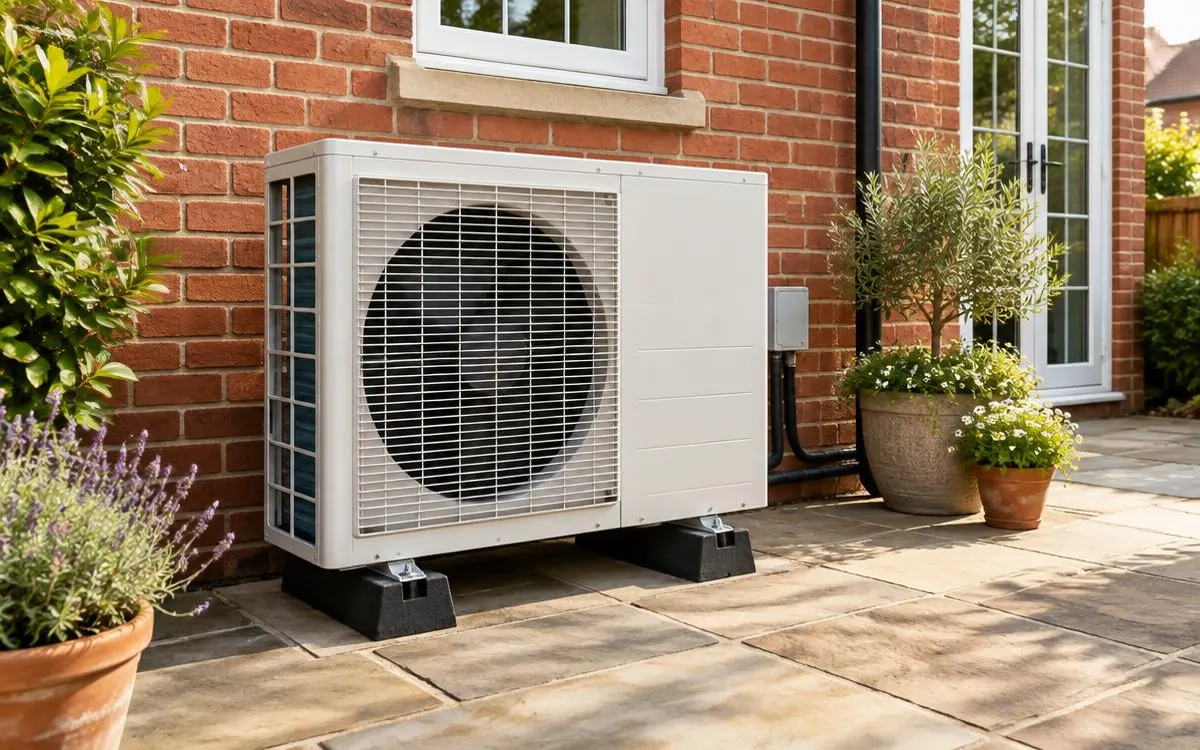
An air source heat pump moves heat from the outside air into your home. It does not burn fuel. A fan draws outside air over a coil that holds a refrigerant, which absorbs heat even on cold days. A compressor then raises the temperature of that heat.
The system passes the heat into your home through a heat exchanger. The refrigerant then returns outside to collect more heat. The cycle repeats while your heating is on. The heat pump runs on electricity to power the fan and the compressor.
A heat pump usually heats your home at a lower temperature than a gas boiler. It works best when it runs steadily for longer periods. Your installer will set up the controls to suit this way of heating.
Air-to-water and air-to-air systems
There are two main types of air source heat pump. They collect heat the same way but deliver it differently. The right type depends on your home and how you want to heat it. The list below explains the difference.
- Air-to-water. The heat pump warms water for your radiators or underfloor heating. It can also heat a hot water cylinder for taps and showers.
- Air-to-air. The heat pump blows warm air into rooms through indoor units. It does not heat your hot water, so you need a separate way to do that.
The Boiler Upgrade Scheme gives £7,500 for an air-to-water heat pump in England and Wales, or £9,000 when replacing oil or LPG off the gas grid. Air-to-air receives £2,500. The Warm Homes Loan Scheme maximum is £20,000 for air-to-water and £10,000 for air-to-air. You can combine the loan with the grant, which lowers the amount you borrow.
The Boiler Upgrade Scheme covers England and Wales only. Homeowners in Scotland should check advice from Home Energy Scotland, and those in Northern Ireland should check the Energy Saving Trust.
Why insulation and radiators matter
A heat pump delivers heat at a lower temperature, so your home needs to hold that heat well. Good insulation reduces the heat your home loses through walls, lofts and floors. Less heat loss means a smaller heat pump can keep you warm. It also helps each room reach a comfortable temperature.
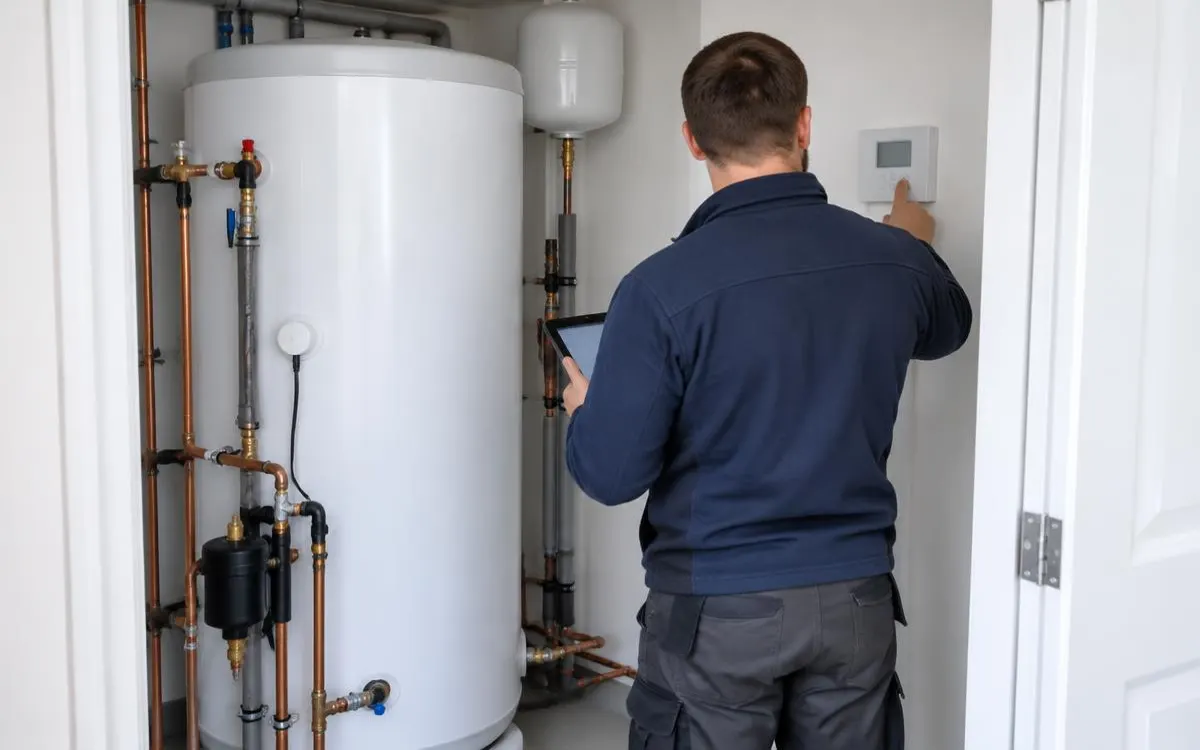
Radiators need to be the right size for a lower water temperature. A radiator sized for a boiler can be too small for a heat pump. Your installer's heat-loss survey checks every room and shows which radiators need upgrading. Follow these steps before you commit.
- Check your loft and wall insulation, and fix obvious draughts.
- Book a heat-loss survey with two or three MCS-certified installers.
- Ask which radiators or pipes need upgrading, room by room.
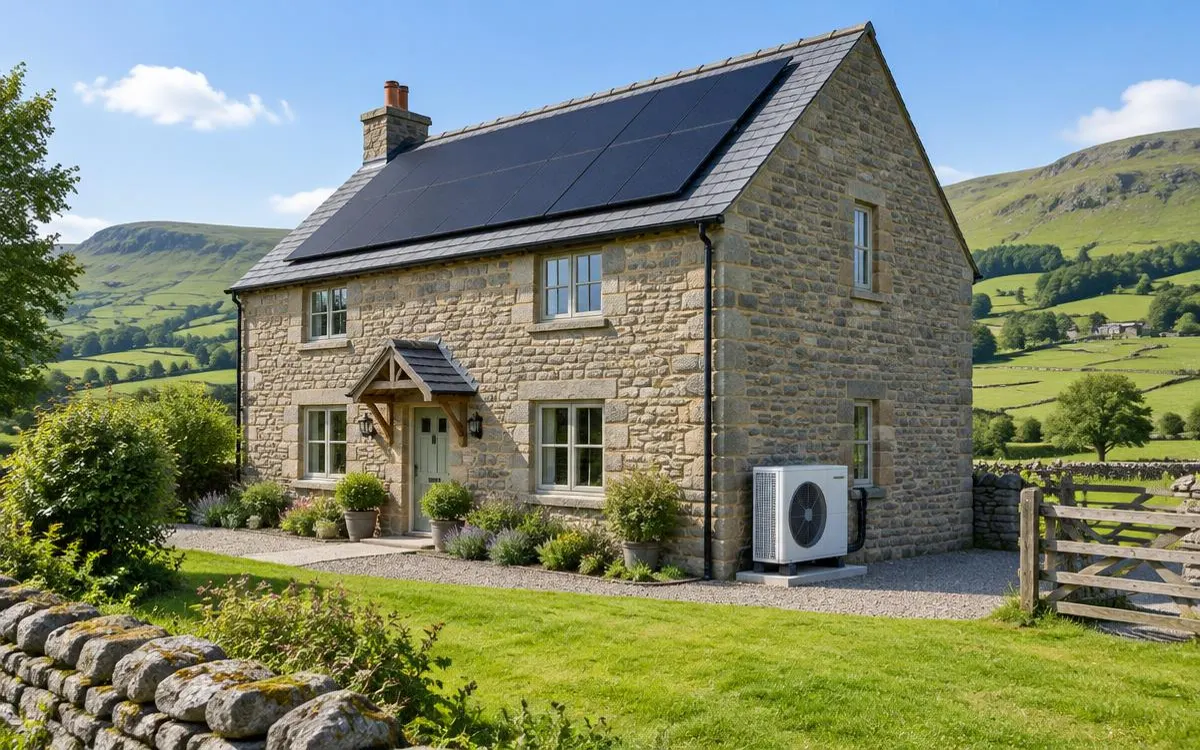
- Confirm where the outdoor unit will sit and how much space it needs.
- Compare written quotes and check each installer's MCS certification.
Checklist
- Air-to-water or air-to-air type chosen
- Insulation checked and draughts fixed
- Heat-loss survey completed
- Radiator upgrades listed room by room
- Outdoor unit position agreed
- Two or three MCS-certified quotes compared
Frequently asked questions
Does an air source heat pump work in winter?
Yes. The refrigerant absorbs heat from outside air even on cold days. Your installer sizes the system for your home.
Will an air-to-air heat pump heat my water?
No. Air-to-air systems heat rooms only, so you need a separate way to heat water.
Do I need new radiators?
Some homes do. The heat-loss survey shows which radiators are too small for a lower water temperature.
Why does insulation matter?
Better insulation reduces heat loss, so a smaller heat pump can keep your home warm.
What grant can I get?
In England and Wales, £7,500 for air-to-water, £9,000 when replacing oil or LPG off the gas grid, and £2,500 for air-to-air.
Who should install it?
Use an MCS-certified installer. The grant requires one.
So you can choose the right air source system and prepare your home before you get quotes.
WHLS Editorial Team
Our editorial team writes independent, plain-English guides on home energy finance. We review guides when scheme rules change.
References
- GOV.UK – Notice of approved grant categories and values for the Boiler Upgrade Scheme (opens in a new tab)
- Energy Saving Trust – Boiler Upgrade Scheme (opens in a new tab)
- MoneySavingExpert – Warm Homes Loan Scheme news (October 2026) (opens in a new tab)
- Financial Conduct Authority – Financial Services Register (opens in a new tab)
- MCS – Find an installer (opens in a new tab)