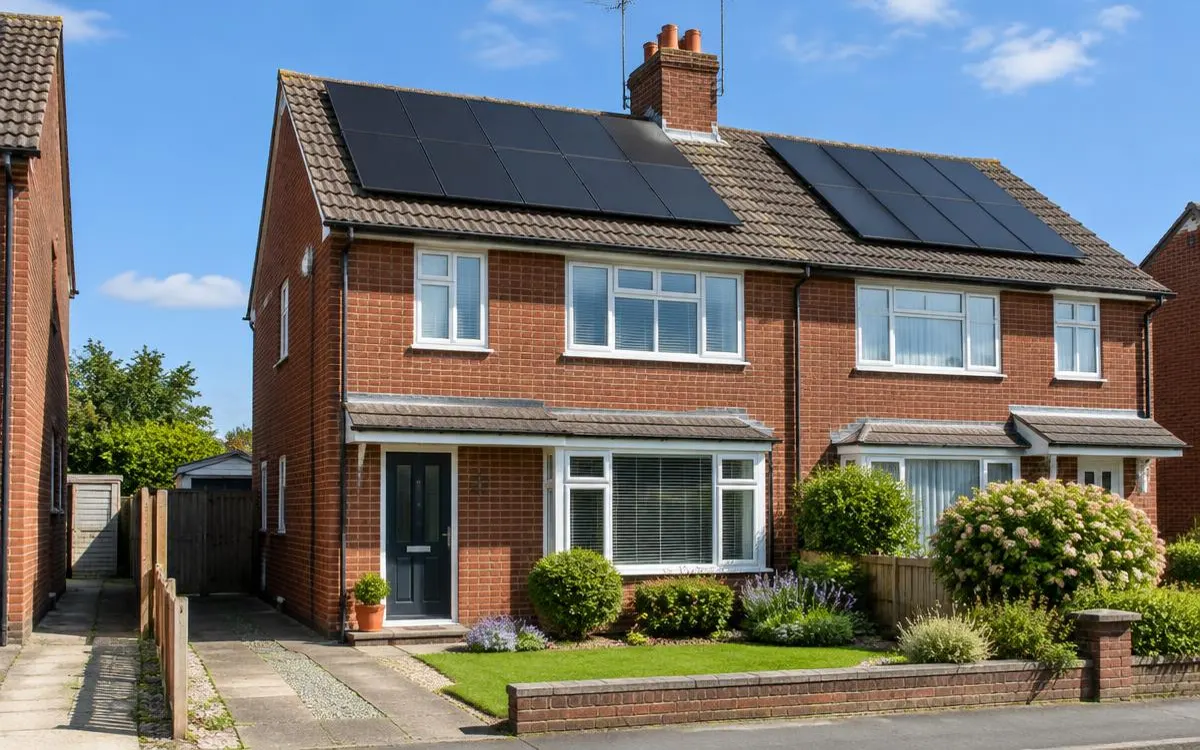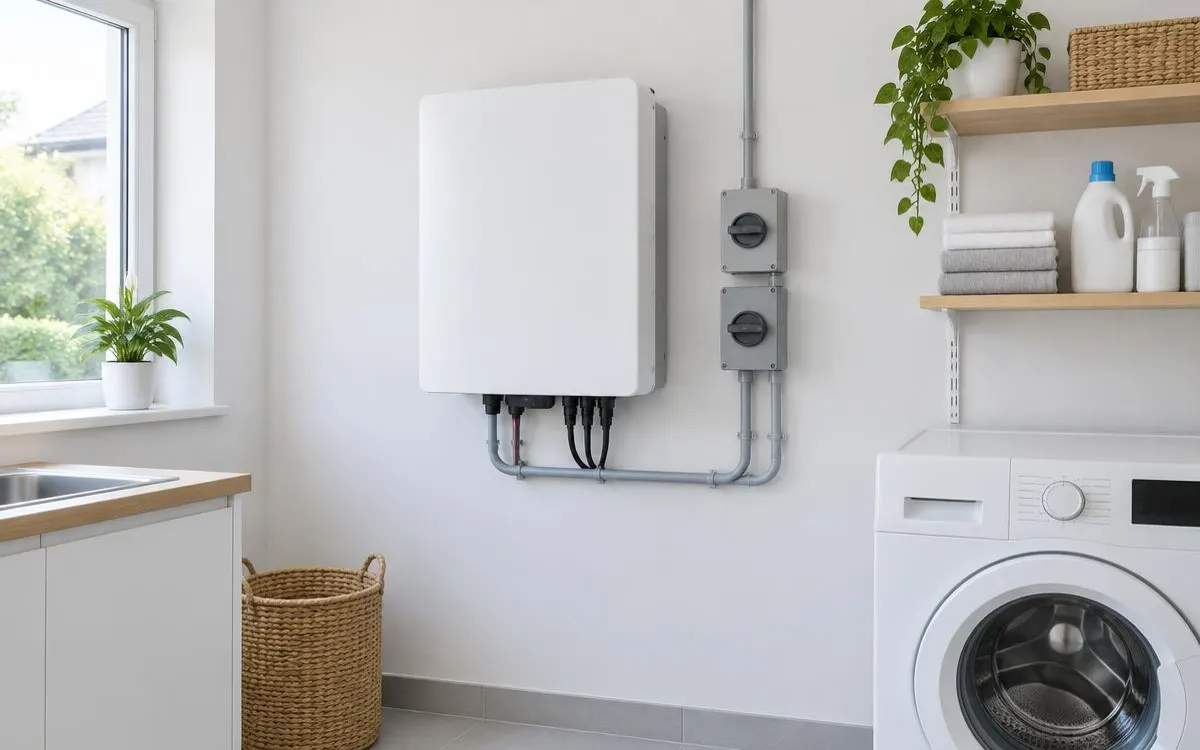
This guide is for UK homeowners who want to understand what drives the cost of solar panels. It covers the main cost factors, how to compare quotes and how to pay for your system. We do not quote prices, because costs vary by home and change often. Our sources are MCS, the Energy Saving Trust, GOV.UK and published news on the Warm Homes Loan Scheme.
Independent guide. We are not a lender or a government body. Always check current scheme rules with the official provider.
The six main cost drivers
Every solar quote combines the same core parts. The mix of those parts explains most of the difference between quotes. Knowing each factor helps you read a quote with confidence. The list below explains each driver in plain terms.
- System size. More panels produce more electricity, but they add equipment and labour. Your installer should size the system to your energy use and usable roof space.
- Roof type and condition. Roof shape, pitch, material and condition all affect the fitting work. A roof that needs repair should be fixed before panels go on.
- Scaffolding. Most installs need safe access to the roof. Scaffolding often appears as a separate line on your quote.
- Inverter. The inverter converts the electricity from your panels into the type your home uses. Inverter models differ in features and warranty length.
- Battery add-on. A battery stores electricity for later use and adds to the total cost. You can add one at the start or later.
- MCS-certified installation. Certified installers meet set standards for design and fitting. Many funding routes require an MCS-certified install.
How to get and compare quotes
A fair comparison starts with like-for-like quotes. Ask every installer to survey your home before they price the job. Request the same details from each firm, then compare the totals. Follow these steps to keep the process simple.
- Note your annual electricity use from recent energy bills.
- Find at least three installers through the MCS installer search.
- Book a home survey with each installer.
- Ask for a written, itemised quote that lists every cost driver above.
- Compare total cost, equipment models, warranties and the expected install date.
- Check each installer's MCS certification number before you sign.
Take your time over the decision. A reputable installer will not pressure you to sign on the day of the survey.
Paying for your system
You can pay from savings, take a loan or use installer finance. The Warm Homes Loan Scheme sets a £15,000 maximum for solar panels. It sets a separate £15,000 maximum for battery storage. Treasury backing lets lenders offer rates up to 5 percentage points below their normal rates, and some borrowers may get 0%.
Loan terms run from 3 years up to 30 years in some cases. Terms over 20 years can carry higher rates and a much higher total cost. Some products are secured loans, such as second mortgages. Three details are not yet confirmed. The Government has not published the eligibility rules. It has not confirmed how or when you apply. Each lender has not yet published its rates.
Checklist
- Recent energy bills to hand
- At least three MCS-certified installers contacted
- Home survey completed by each installer
- Written, itemised quotes received
- MCS certification numbers checked
- Total cost of credit compared for any loan or finance
- Lender checked on the official scheme list and the FCA register
Frequently asked questions
Why does this guide not list solar panel prices?
Prices depend on your home and change often. A written quote from an MCS-certified installer gives you an accurate figure.
Is scaffolding always needed?
Most roof installs need safe access, which usually means scaffolding. Your installer will confirm this during the survey.
Should I add a battery at the same time?
You can add a battery at the start or later. Ask installers to quote both options so you can compare.
Does the installer need to be MCS-certified?
Many funding routes require an MCS-certified installation. Check the installer's number on the MCS website.
Can the Warm Homes Loan Scheme cover solar and a battery together?
The scheme sets a £15,000 maximum for solar panels and a separate £15,000 maximum for battery storage. Eligibility rules are not yet published.
So you can read any solar quote with confidence and choose a fair price for your home.
WHLS Editorial Team
Our editorial team writes independent, plain-English guides on home energy finance. We review guides when scheme rules change.
References
- GOV.UK – Notice of approved grant categories and values for the Boiler Upgrade Scheme (opens in a new tab)
- Energy Saving Trust – Boiler Upgrade Scheme (opens in a new tab)
- MoneySavingExpert – Warm Homes Loan Scheme news (October 2026) (opens in a new tab)
- Financial Conduct Authority – Financial Services Register (opens in a new tab)
- MCS – Find an installer (opens in a new tab)