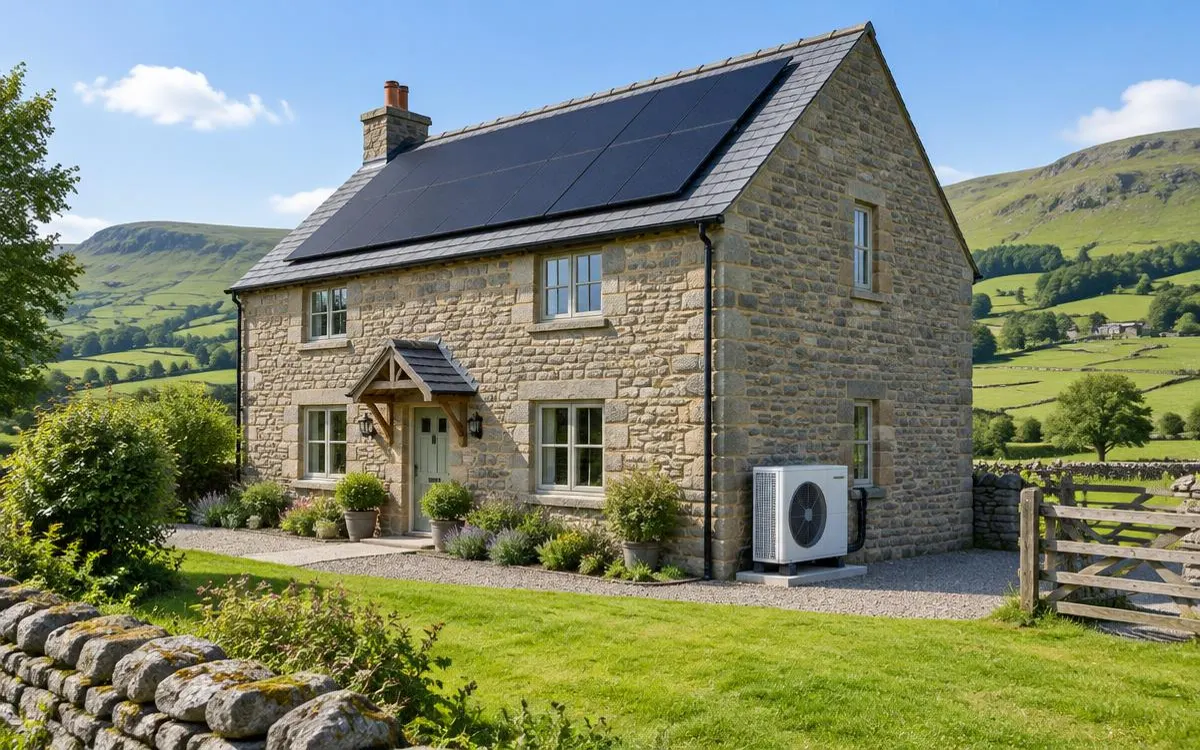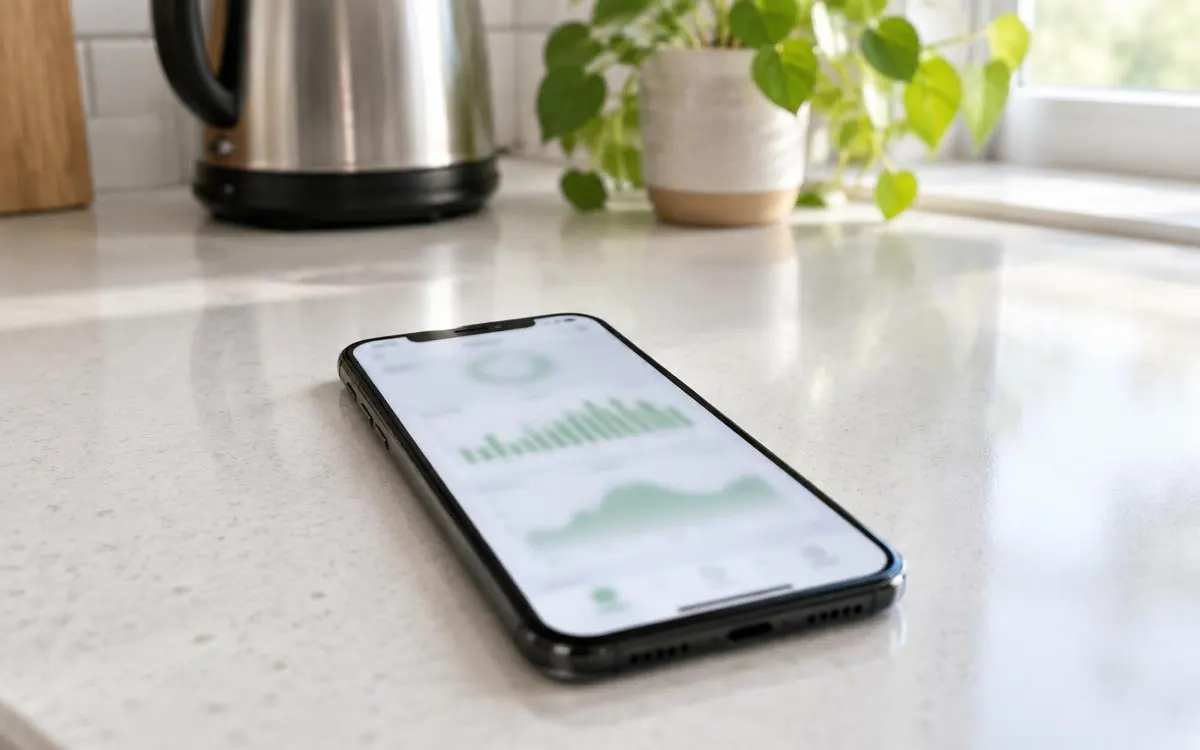
Smart controls can help manage off-grid supply, but they do not replace sound generation and storage design. This guide is for households comparing monitoring and automation features. It explains remote access, load priorities and forecast-based controls without promising uninterrupted power. Ask how each feature works when connectivity, forecasts or equipment behaviour differ from the normal pattern.
For the broader overview, read our guide: Off-Grid Systems.
Independent guide. We are not a lender or a government body. Always check current scheme rules with the official provider.
1. Compare monitoring, alerts and remote access
Remote monitoring can show stored energy, generation and household use where the equipment supports those displays. Ask which readings remain available locally if the internet connection fails. Check whether alerts reach you automatically and who responds when you are away. An app notification is useful only when its meaning and response are clear. Request a demonstration using owner controls rather than assuming a polished screen proves effective monitoring of every connected device.
Confirm account ownership, authorised remote access and how monitoring records are retrieved. Ask whether subscriptions or service changes affect the functions you expect to use. Keep passwords and access arrangements under your own control through approved channels. Do not accept unsolicited remote-support requests or unofficial software. A connectivity failure needs a documented fallback, especially where the household relies on independent supply. The system should not depend on guessed app actions to restore essential operation.
2. Set safe load and generator priorities
Load management can prioritise agreed household uses when available supply is limited. Ask the qualified designer which loads are controlled and which services must remain outside automatic switching. Do not assume every appliance can be interrupted safely or that automation removes power limits. The agreed design should explain what happens when demand exceeds supply. Owner adjustments need to remain within approved controls rather than changing wiring or bypassing protection to keep an additional appliance running.
Generator auto-start is a supported feature only where the equipment and complete integration provide it. Ask how it starts, stops and handles faults, and what manual oversight remains necessary. Generator siting and fuel-related safety need professional assessment. Never operate a fuel-powered generator indoors or in an enclosed space. Do not improvise a remote start connection yourself. Keep the approved operating and maintenance instructions alongside the battery documents, with clear responsibility for responding to a generator warning.
3. Assess forecasts and fallback operation
Weather-based controls can adjust charging decisions using a forecast where the system supports that approach. Forecasts remain uncertain, so ask what happens when actual generation differs from the prediction. Automation does not create energy during a prolonged shortfall or replace the backup plan. Ask which owner settings can be reviewed and how reserves are protected. Compare the documented strategy with essential household needs instead of assuming a forecast feature guarantees supply through every weather pattern.
Request a demonstration of manual fallback using safe owner controls, without internal electrical steps. Ask what remains functional after an internet outage, software update or monitoring service interruption. Keep authorised settings and update records so unexpected behaviour can be explained later. A useful smart feature has a defined purpose, understandable limits and a support contact. Choose automation that complements the qualified design rather than using extra app functions as a substitute for adequate generation, storage and backup.
Checklist
- I have checked local and remote monitoring access.
- I know which alerts require a response.
- I have agreed safe load priorities.
- I have approved generator controls and instructions.
- I understand forecast limits and manual fallback.
Frequently asked questions
Will my remote app prevent an off-grid supply shortfall?
No. Monitoring provides information where supported. Adequate design, agreed load priorities and a backup plan still need assessment.
Can my system automatically start any generator?
No. Auto-start needs supported equipment and qualified integration. Ask about the actual controls, safety arrangements and operating responsibilities.
Will my weather forecast always match generation?
No. Ask how controls handle uncertainty and what fallback applies when actual conditions differ from the prediction.
What should I ask about my internet failing?
Check which local controls, readings and functions remain available. Request safe fallback instructions and an established support route.
So you can choose understandable automation that supports the off-grid design without hiding supply and connectivity limits.
WHLS Editorial Team
Our editorial team writes independent, plain-English guides on home energy finance. We review guides when scheme rules change.
References
- Energy Saving Trust – Energy storage (opens in a new tab)
- GOV.UK – Domestic battery energy storage systems safety review (opens in a new tab)
- Energy Saving Trust – Off-grid (opens in a new tab)
- GOV.UK – Notice of approved grant categories and values for the Boiler Upgrade Scheme (opens in a new tab)
- Energy Saving Trust – Boiler Upgrade Scheme (opens in a new tab)
- MoneySavingExpert – Warm Homes Loan Scheme news (October 2026) (opens in a new tab)
- Financial Conduct Authority – Financial Services Register (opens in a new tab)
- MCS – Find an installer (opens in a new tab)
- Energy Saving Trust – Warm Homes: Local Grant guide (opens in a new tab)
- Home Energy Scotland – Grants and loans (opens in a new tab)
- MCS – Home Energy Scotland Grant and Loan (opens in a new tab)
- Energy Saving Trust – Welsh Government Nest scheme (opens in a new tab)
- Energy Saving Trust – Consumer protection (opens in a new tab)
- RECC – Renewable Energy Consumer Code (opens in a new tab)
- HIES – Home Insulation and Energy Systems (opens in a new tab)