Reduce unnecessary spending by agreeing what your solar installation actually needs before accepting a quote. A suitable design matters more than choosing the largest array or the longest list of add-ons. Compare complete proposals and check funding before committing your own money. This guide focuses on practical decisions without promising savings or quoting installation prices.
For the broader overview, read our guide: Install Solar Panels Cost Breakdown for UK Homeowners.
Independent guide. We are not a lender or a government body. Always check current scheme rules with the official provider.
1. Match the design to your home
Ask an MCS-certified installer to assess electricity use alongside roof space, condition and shading. Explain planned changes, such as a heat pump, without treating future consumption as already certain. Request a design that distinguishes current needs from possible later additions. A smaller proposal is not automatically better, but unnecessary equipment still needs justification.
Right-sizing means understanding the installer's reasoning rather than selecting a system from a sales package. Ask why the proposed panel layout and inverter suit your property. Compare a simpler design if optional equipment has been added without explanation. Keep the revised specification in writing so the final quote matches the agreed work.
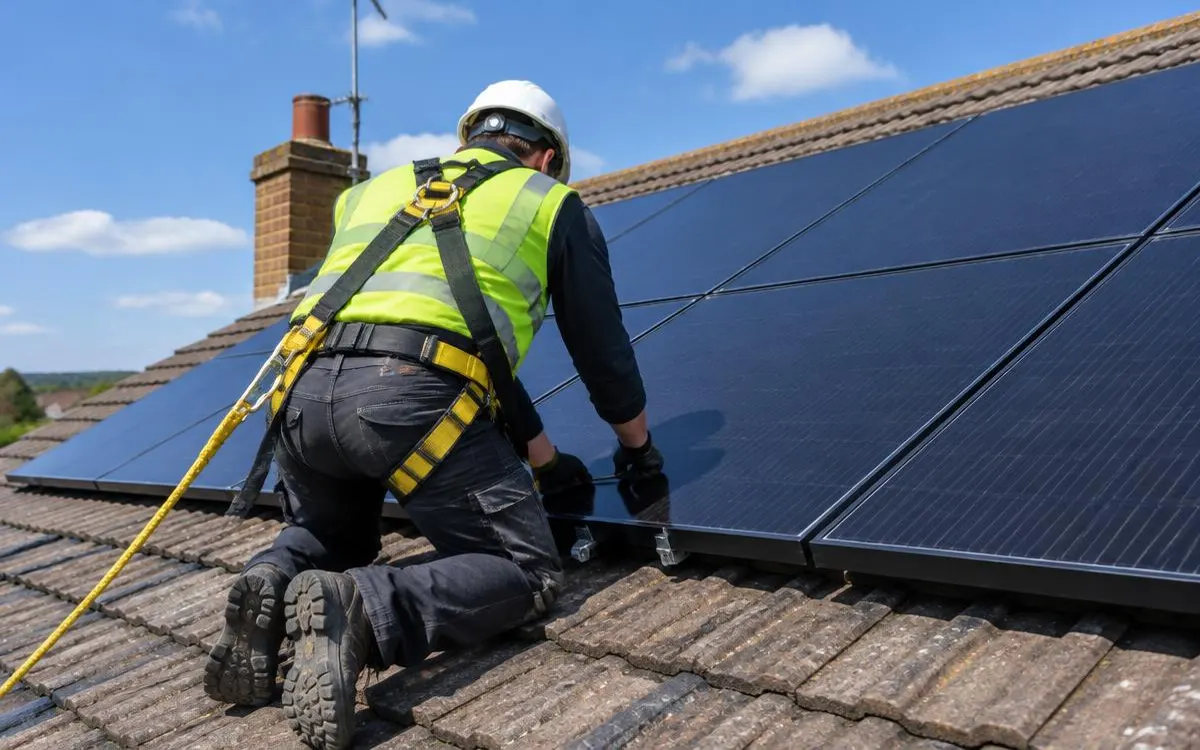
Roof repairs should happen before panels cover the area needing attention. If other roof work is already planned, ask contractors whether access arrangements can be coordinated safely. Combining scaffolding requires clear responsibility and scheduling rather than an assumed discount. Get a written explanation of shared access, any limitations and the effect on each contractor's scope.
- Give each installer the same electricity information and future upgrade plans.
- Ask for a survey-based design and a reason for every optional addition.
- Discuss roof repairs and shared access before fixing the installation schedule.
2. Compare three complete proposals
Get three written quotes from MCS-certified installers using the same brief. Ask each firm to identify scaffolding, electrical work, equipment models and warranty responsibilities. Check exclusions before deciding that one total is lower for equivalent work. Use written follow-up questions to resolve differences rather than bargaining over an unexplained headline figure.
Avoid removing necessary work simply to reduce the quote. Safety, suitability and required checks belong in the installation scope even when they are less visible than panels. Ask installers to separate required work from optional accessories. Reject high-pressure sales tactics and take time to check the company, certification and consumer protection.
Check funding before paying a deposit or borrowing for the full proposal. Warm Homes: Local Grant provides an assessment route for eligible low-income households in England. Its energy performance category includes solar and batteries, with funding up to £15,000. The council decides what support and measures apply; the limit does not guarantee your installation will be funded.
3. Make the battery decision deliberately
Ask for a solar-only proposal and a separate explanation of adding battery storage. A battery stores electricity for later use, but it also adds equipment and installation work. Consider how you use electricity and what the proposed system can support. Do not accept an automatic battery addition without understanding the reason for its size and configuration.
If you postpone storage, ask what equipment changes a later battery would require. Compare compatibility, further installation work and warranty responsibilities rather than relying on a battery-ready label. The Warm Homes Loan solar and battery maximums are separate £15,000 borrowing limits. Eligibility, application arrangements and lender rates remain unconfirmed, so do not plan a purchase around assumed approval.
Keep your final design, exclusions and payment stages together before choosing an installer. Confirm that any change in scope has produced a revised written quote. If you use borrowing, compare total credit costs as well as monthly payments. The aim is a suitable complete installation, not a cheaper proposal that leaves essential work for later.
Checklist
- My design follows my home survey and electricity use.
- I have three comparable MCS quotes.
- I checked funding before committing.
- I understand any shared scaffolding arrangements.
- I have compared battery timing and compatibility.
Frequently asked questions
Will a smaller system reduce my spending?
Ask the installer to compare suitable designs. Do not reduce the size without checking how the proposal fits your roof and electricity use.
Can I share scaffolding with my roof repairs?
Ask both contractors about safe access and scheduling. Any shared arrangement needs a written scope; do not assume it produces a saving.
Should I remove every optional add-on?
Ask what each item achieves at your home. Compare justified options, while keeping required safety and installation work in the proposal.
Should I delay my battery purchase?
Compare installing storage now with adapting the system later. Ask about compatibility and further work before making the decision.
So you can avoid unnecessary spending while keeping the work your home and installation require.
WHLS Editorial Team
Our editorial team writes independent, plain-English guides on home energy finance. We review guides when scheme rules change.
References
- GOV.UK – Notice of approved grant categories and values for the Boiler Upgrade Scheme (opens in a new tab)
- Energy Saving Trust – Boiler Upgrade Scheme (opens in a new tab)
- MoneySavingExpert – Warm Homes Loan Scheme news (October 2026) (opens in a new tab)
- Financial Conduct Authority – Financial Services Register (opens in a new tab)
- MCS – Find an installer (opens in a new tab)
- Energy Saving Trust – Warm Homes: Local Grant guide (opens in a new tab)
- Home Energy Scotland – Grants and loans (opens in a new tab)
- MCS – Home Energy Scotland Grant and Loan (opens in a new tab)
- Energy Saving Trust – Welsh Government Nest scheme (opens in a new tab)