Home storage can shift when you use electricity, but its usefulness depends on your household and system design. This guide is for owners considering solar integration, tariffs or supported backup. It explains practical benefits alongside limits and ongoing responsibilities. Assess your own use and written proposal without treating general benefits as a guaranteed reduction in bills.
For the broader overview, read our guide: Energy Storage Solutions.
Independent guide. We are not a lender or a government body. Always check current scheme rules with the official provider.
1. Connect storage with your actual solar use
A battery can store available solar generation for later household use instead of using it only when produced. The benefit depends on how generation and demand overlap at your property. Ask the installer to explain the proposal using household records and the existing solar arrangement. Storage does not create additional sunshine or eliminate seasonal differences. Compare usable capacity, power and control compatibility before assuming the system will cover every evening activity from stored solar.
Existing equipment matters when adding storage rather than installing a complete new arrangement. Ask whether the proposed connection needs inverter changes or additional controls. Confirm that the design accounts for household electricity used while solar is generating. More storage is not automatically more useful if available generation or demand does not fit it. Request a clear explanation of expected operating behaviour without accepting a promised saving as a substitute for design evidence.
2. Assess tariffs, backup and larger household loads
Time-of-use tariffs charge different amounts at different times under the supplier’s terms. A compatible battery can support planned charging and later use, but the full tariff needs assessment. Ask the supplier about import, export and any restrictions applying to stored energy. Do not assume an attractive charging period makes the whole contract suitable. Compare the household’s ordinary consumption alongside the proposed schedule, and leave safety and protected controls unchanged.
Backup during a power cut exists only where the complete system supports that function. Ask which circuits can be supplied and which loads remain outside it. Heat pumps and vehicle chargers add design questions because their operation can overlap with other household demand. A battery connection does not guarantee that all equipment runs together from storage. Ask the installer to explain power limits and priorities before treating heating or charging compatibility as automatic resilience for the entire home.
3. Weigh benefits against ownership commitments
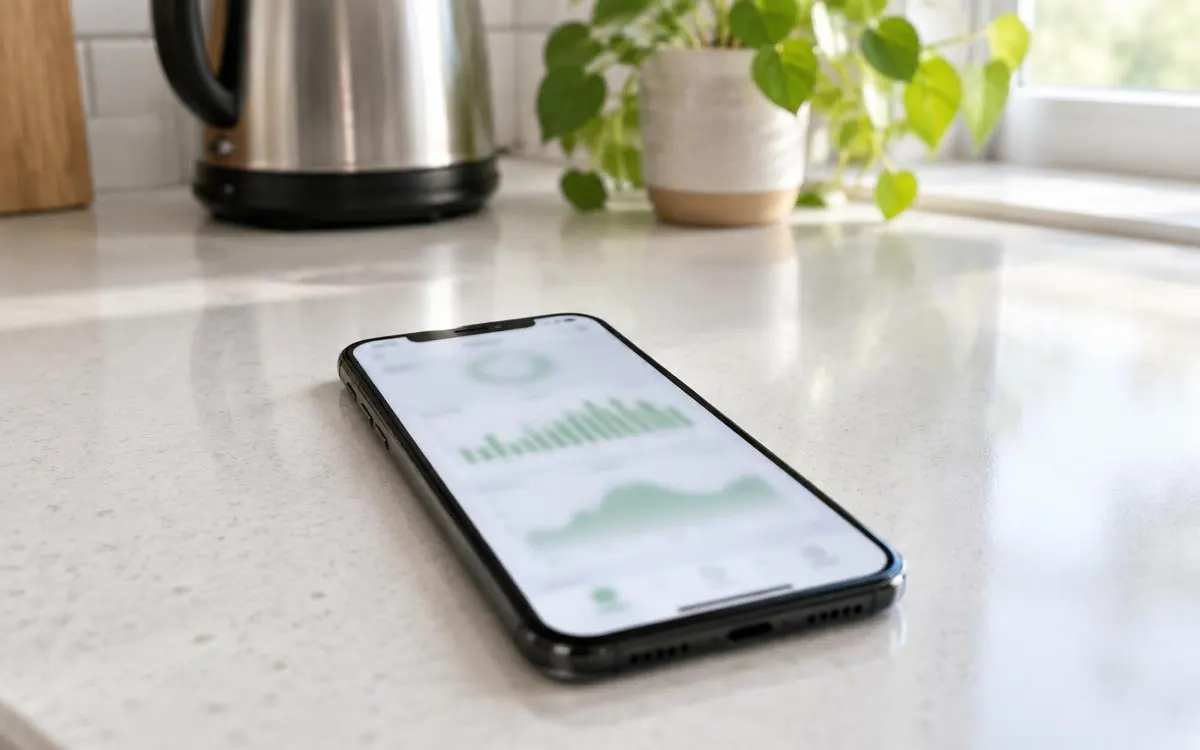
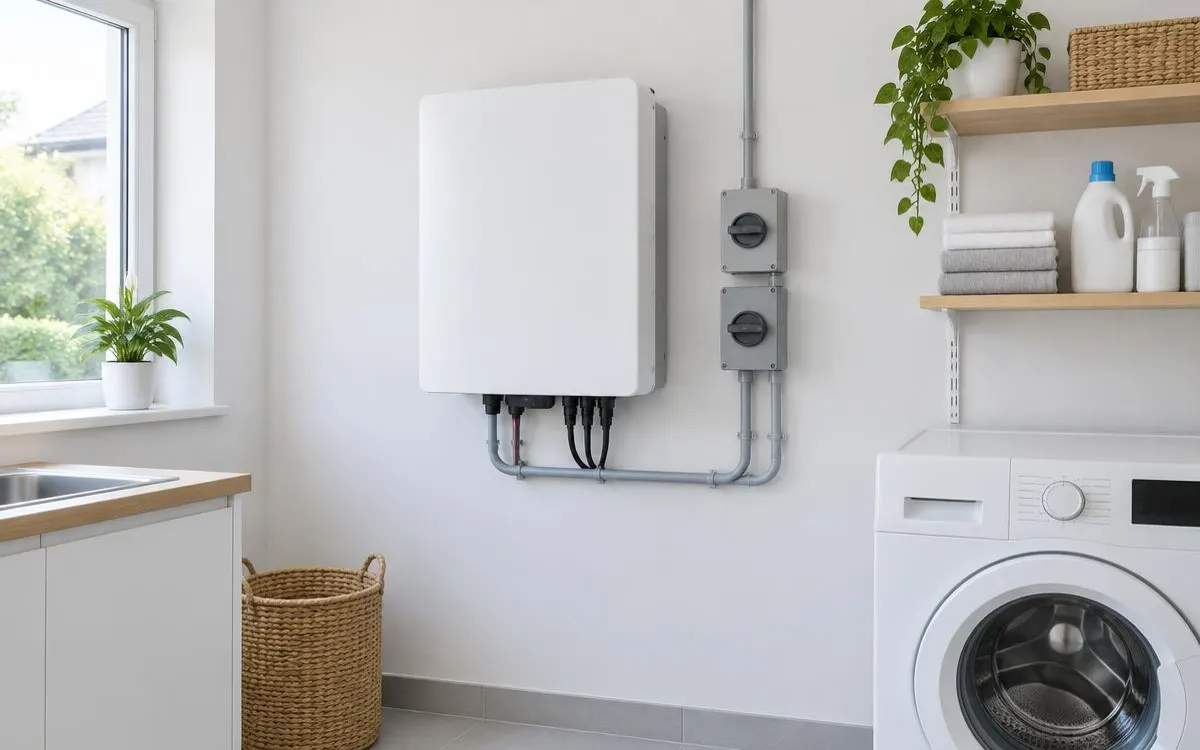
Storage comes with operating limits, installation requirements and equipment that needs support over time. Ask how the manufacturer describes capacity changes, warranty conditions and authorised maintenance. Consider where the unit will sit and whether the household can keep that area clear. App access can be helpful, but check what happens without internet or if a service arrangement changes. Backup, monitoring and expansion features should serve specific needs rather than becoming unexplained additions to the quote.
Compare the complete proposal with the alternative of keeping your existing arrangement for now. A useful system needs documented compatibility and a fault-reporting route, not just a list of theoretical advantages. Request written terms for equipment, workmanship and any consumer-code protection. Ask about take-back or disposal before the unit reaches the end of its use. Make the purchase decision around an explained household purpose, while keeping uncertainty about future tariffs and operating patterns visible.
Checklist
- I know which household need storage addresses.
- I have checked solar and inverter compatibility.
- I have assessed the full tariff terms.
- I know whether backup is actually included.
- I understand siting, warranty and support commitments.
Frequently asked questions
Will my battery let me use more of my solar?
It can store available generation for later use, subject to design and operating limits. Ask how your generation and demand fit the proposal.
Will my system keep every circuit running in a power cut?
Do not assume this. Backup needs a supported design with specified circuits and limits. Ask for its scope in writing.
Can my heat pump and vehicle charger work with storage?
Ask the installer to assess compatibility, power limits and overlapping demand. Connection alone does not mean every load can run together from the battery.
Should I expect guaranteed savings from my tariff?
No. Assess the complete supplier terms and your use. Future prices and household patterns are not fixed by the equipment specification.
So you can weigh practical storage benefits against the limits and responsibilities of your own proposed installation.
WHLS Editorial Team
Our editorial team writes independent, plain-English guides on home energy finance. We review guides when scheme rules change.
References
- Energy Saving Trust – Energy storage (opens in a new tab)
- GOV.UK – Domestic battery energy storage systems safety review (opens in a new tab)
- Energy Saving Trust – Off-grid (opens in a new tab)
- GOV.UK – Notice of approved grant categories and values for the Boiler Upgrade Scheme (opens in a new tab)
- Energy Saving Trust – Boiler Upgrade Scheme (opens in a new tab)
- MoneySavingExpert – Warm Homes Loan Scheme news (October 2026) (opens in a new tab)
- Financial Conduct Authority – Financial Services Register (opens in a new tab)
- MCS – Find an installer (opens in a new tab)
- Energy Saving Trust – Warm Homes: Local Grant guide (opens in a new tab)
- Home Energy Scotland – Grants and loans (opens in a new tab)
- MCS – Home Energy Scotland Grant and Loan (opens in a new tab)
- Energy Saving Trust – Welsh Government Nest scheme (opens in a new tab)
- Energy Saving Trust – Consumer protection (opens in a new tab)
- RECC – Renewable Energy Consumer Code (opens in a new tab)
- HIES – Home Insulation and Energy Systems (opens in a new tab)