Efficiency ratings describe equipment under stated conditions, not a guaranteed bill for your household. This guide is for homeowners reading heat pump specifications and comparing design explanations. It covers COP, SCOP, energy labels and the questions that connect them with your home. No brand or model is ranked because suitability depends on the complete installation.
For the broader overview, read our guide: How Much Is a Heat Pump.
Independent guide. We are not a lender or a government body. Always check current scheme rules with the official provider.
1. Separate COP from seasonal performance
COP describes the relationship between heat delivered and electricity used at a particular operating condition. It is a snapshot rather than a prediction for every day of the year. SCOP describes seasonal performance across a stated set of operating conditions. Neither term tells you the final household bill without considering the system and electricity use. Ask the installer to explain which conditions accompany any rating on the proposal.
A seasonal figure still needs context about the equipment configuration and temperature assumptions. Do not compare two headline ratings unless the installer explains whether their conditions are comparable. Your heating design, hot-water use and controls also affect how the installation operates. Request an explanation you can understand rather than treating an unfamiliar abbreviation as a recommendation. A clear proposal should connect the product information with the survey and household requirements.
2. Read labels, listings and noise information
The ErP energy label provides a way to read declared energy performance information for relevant equipment. Ask which label applies to the proposed product and how its conditions relate to the design. Check the MCS product listing alongside the installer’s certification rather than treating those as the same check. Product eligibility does not establish that a particular installation suits your home. Keep the product documents with the written specification.
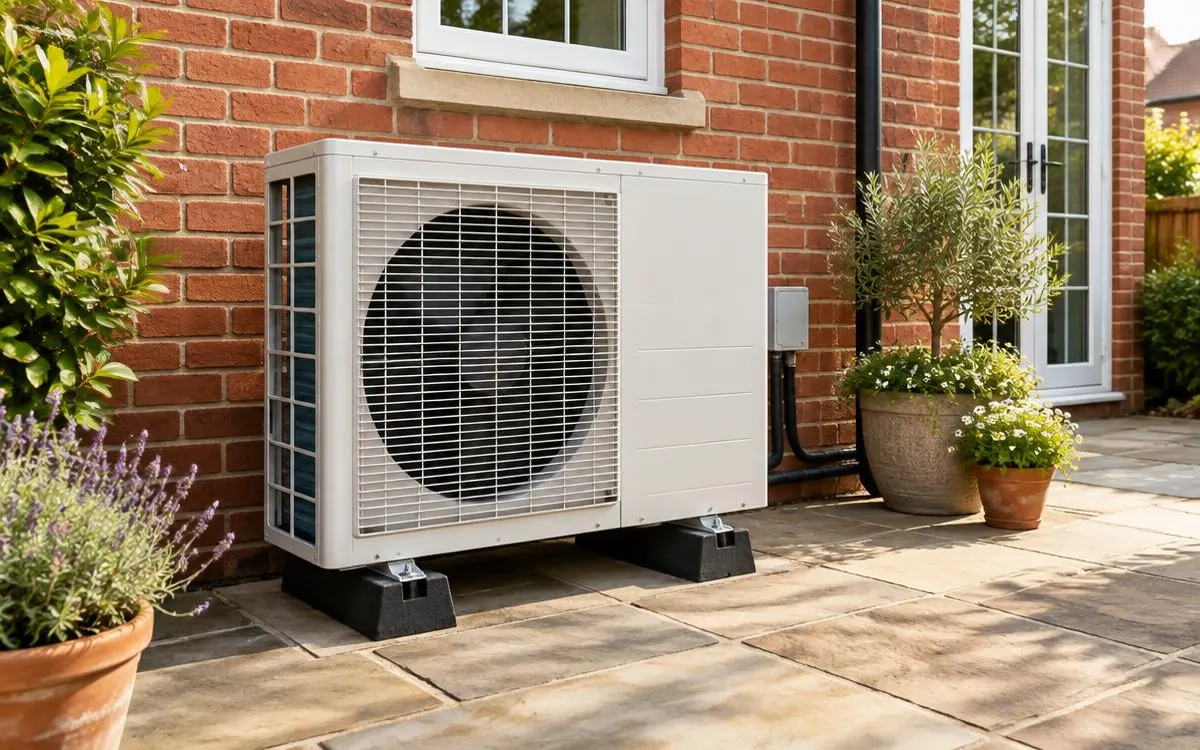
Noise information also needs interpretation alongside the planned outdoor position and surroundings. Ask the installer what the declared rating describes and how it informed the siting proposal. A product rating is not a guarantee about sound at your boundary or inside a neighbouring property. Discuss access, nearby windows and any planning checks that apply. Request written clarification if noise is dismissed without a site assessment.
- Ask what COP and SCOP conditions are stated.
- Request the relevant ErP label and MCS product details.
- Ask how noise information relates to the proposed position.
- Keep ratings separate from promises about household bills.
3. Put design before a brand-based decision
Flow temperature is the temperature of water supplied to the heating circuit in a water-based system. Lower-temperature operation can support efficient performance when the home and heat emitters suit the design. Ask how the proposed radiators and insulation relate to that operating plan. Do not lower settings blindly if rooms are cold or the system has unresolved faults. Discuss suitable adjustments with the installer and follow handover instructions.
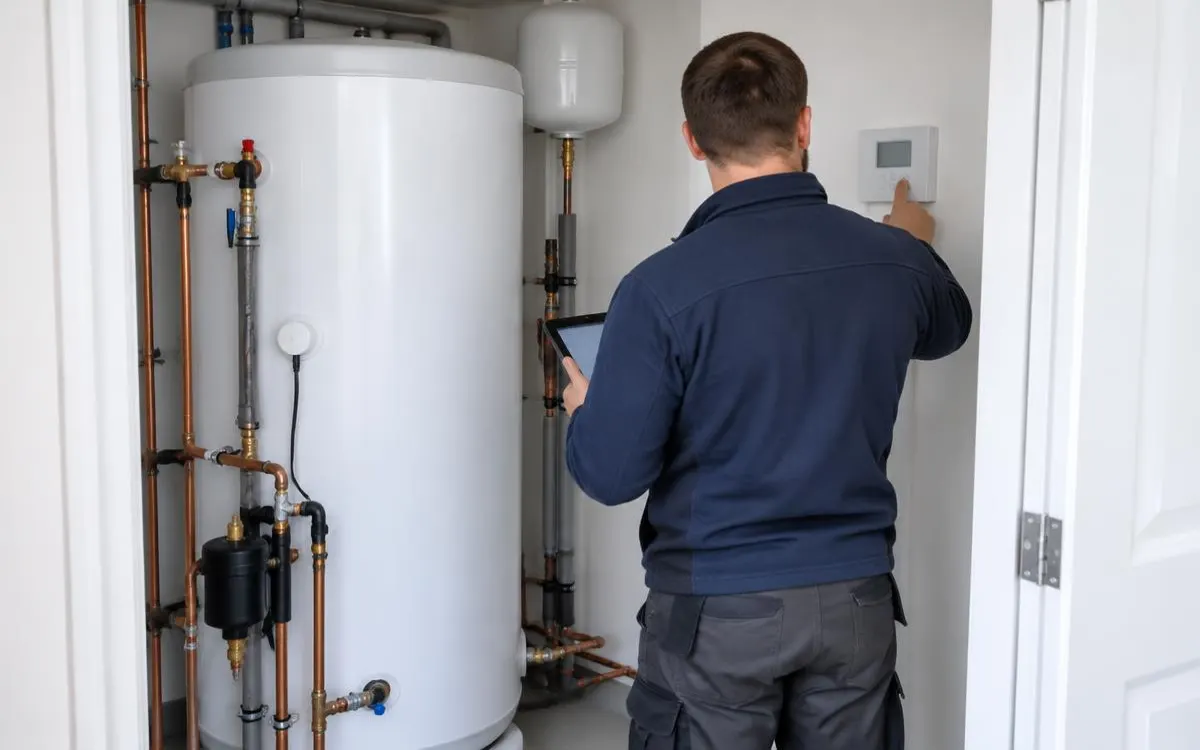
Correct sizing and design are central to a useful comparison and should take priority over a brand-only choice. Ask for room-by-room heat-loss findings and an explanation of the proposed equipment. Check how controls, hot water and different weather conditions were considered. If two designs differ substantially, request reasons rather than choosing the highest rating alone. Keep the evidence beside the quotation so specifications remain understandable after installation.
Checklist
- I understand ratings describe stated conditions, not my bill.
- I have requested product label and listing details.
- I have discussed noise in the proposed location.
- I understand the flow-temperature and radiator design.
- I have survey-based reasons for sizing and equipment selection.
Frequently asked questions
Does a higher COP guarantee my lower bills?
No. COP describes performance at stated conditions. Your complete design, operation, household demand and electricity terms also matter.
How does SCOP differ from my COP rating?
SCOP describes seasonal performance under stated conditions, while COP describes a particular operating condition. Ask which assumptions accompany each rating.
Can I choose my heat pump from its energy label alone?
No. Consider the survey, emitters, hot water, controls and siting. Ask the installer to connect product information with your home’s requirements.
Should I choose my installer’s preferred brand automatically?
Ask for design-based reasons and comparable product information. Certification and a recognisable name do not replace a clear sizing and installation explanation.
So you can interpret efficiency information without confusing equipment ratings with guaranteed household costs.
WHLS Editorial Team
Our editorial team writes independent, plain-English guides on home energy finance. We review guides when scheme rules change.
References
- Energy Saving Trust – Air source heat pumps (opens in a new tab)
- GOV.UK – Apply for the Boiler Upgrade Scheme (opens in a new tab)
- GOV.UK – Notice of approved grant categories and values for the Boiler Upgrade Scheme (opens in a new tab)
- Energy Saving Trust – Boiler Upgrade Scheme (opens in a new tab)
- MoneySavingExpert – Warm Homes Loan Scheme news (October 2026) (opens in a new tab)
- Financial Conduct Authority – Financial Services Register (opens in a new tab)
- MCS – Find an installer (opens in a new tab)
- Energy Saving Trust – Warm Homes: Local Grant guide (opens in a new tab)
- Home Energy Scotland – Grants and loans (opens in a new tab)
- MCS – Home Energy Scotland Grant and Loan (opens in a new tab)
- Energy Saving Trust – Welsh Government Nest scheme (opens in a new tab)
- Energy Saving Trust – Consumer protection (opens in a new tab)
- HIES – Home Insulation and Energy Systems (opens in a new tab)
- Planning Portal – Heat pumps (opens in a new tab)