Heat pump types need different equipment and supporting work, so their quotations require different questions. This guide is for homeowners comparing air-to-water, air-to-air and ground source proposals without generic installation prices. It covers space, hot-water arrangements and the work that drives each project. Choose a survey-based design before comparing how you will fund the final specification.
For the broader overview, read our guide: How Much Is a Heat Pump.
Independent guide. We are not a lender or a government body. Always check current scheme rules with the official provider.
1. Compare what each design supplies
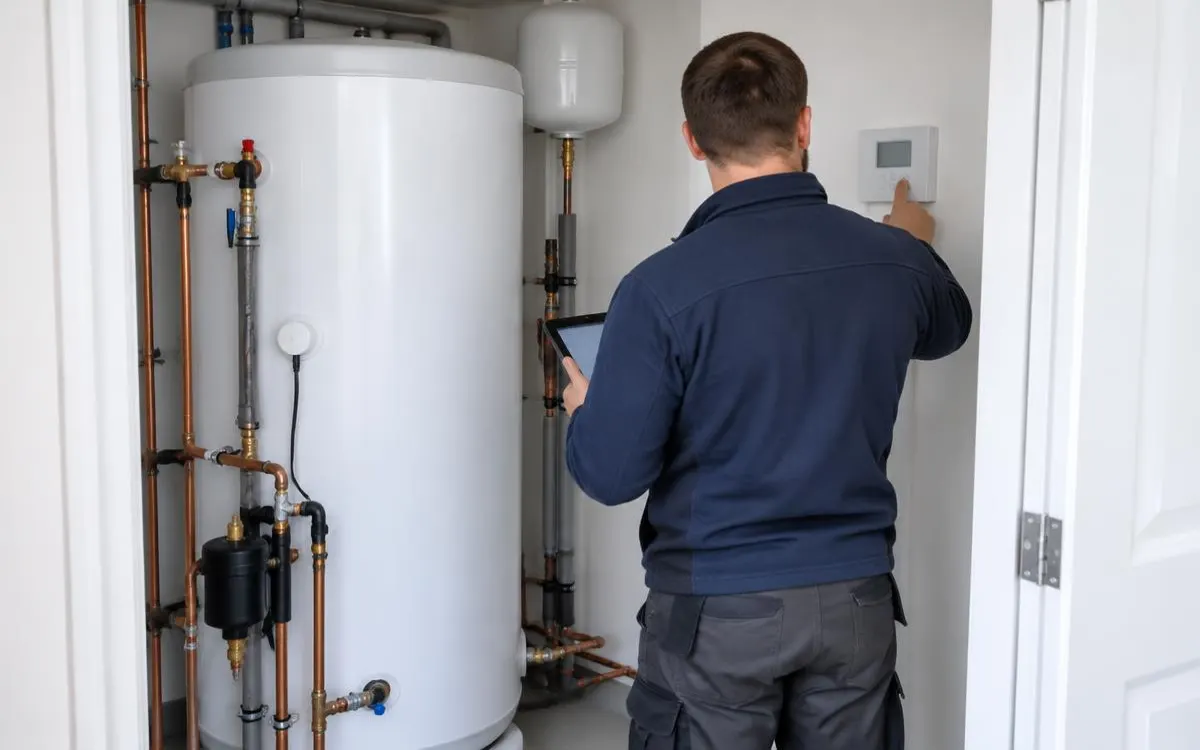
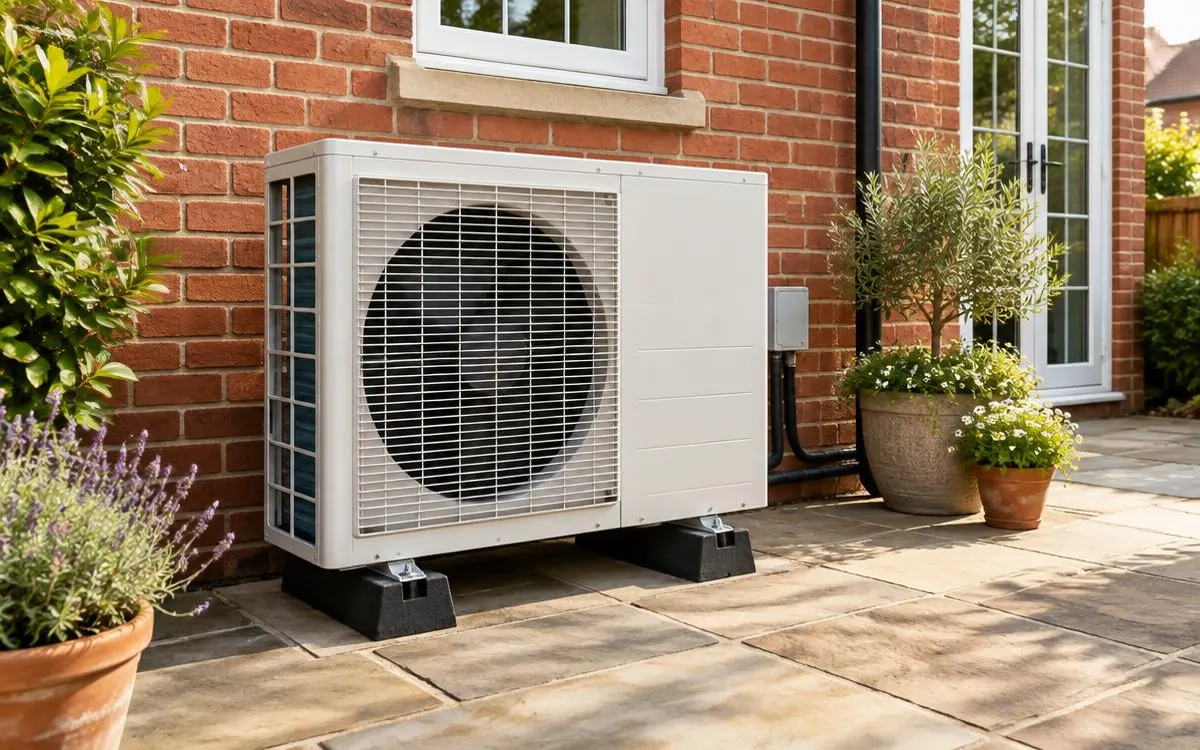
Air-to-water systems supply water-based space heating and can support domestic hot water through a suitable arrangement. Ask whether existing radiators, pipes and the cylinder suit the proposed design. Air-to-air systems deliver space heating through indoor air units rather than your water-based radiator circuit. They do not provide domestic hot water in the same way, so discuss a separate solution. Compare complete household provision rather than the outdoor equipment alone.
Ground source systems use ground collectors and need a site-specific assessment of the proposed layout. Ask whether the design uses trenches or boreholes and what access the work requires. Your outdoor space, ground work and reinstatement arrangements need clear written responsibilities. Do not assume the same excavation proposal suits every property. The heating design and hot-water plan still need explanation alongside the collector arrangement.
2. Use a qualitative comparison of project work
The table identifies questions that shape a quotation rather than ranking technologies by installation price. A different funding ceiling does not prove a system is better suited to your home. Ask the installer to connect each recommendation with the survey and household requirements. Include equipment access, indoor space and supporting work in the comparison. Any unresolved design point should receive a written answer before you choose.
Check the relevant Boiler Upgrade Scheme category with your MCS installer in England or Wales. Air-to-water and ground source grants share the supplied standard value and off-gas oil or LPG replacement uplift. Air-to-air has a separate grant category. Warm Homes Loan ceilings also differ by technology, but its application and eligibility details remain unconfirmed. Scottish homeowners should ask Home Energy Scotland about their proposed system rather than transferring BUS conditions.
| Type | What drives project work | Space and hot water | BUS value | Warm Homes Loan maximum |
|---|---|---|---|---|
| Air-to-water | Radiators, cylinder, pipework, controls and electrical connections | Outdoor unit; suitable indoor hot-water arrangement | £7,500; £9,000 for off-gas oil/LPG replacement | £20,000 |
| Air-to-air | Indoor unit positions, pipe routes, controls and separate hot water | Outdoor and indoor units; separate domestic hot-water provision | £2,500 | £10,000 |
| Ground source | Collectors, ground access, excavation or boreholes and reinstatement | Ground collector space; water-based heating and hot-water design | £7,500; £9,000 for off-gas oil/LPG replacement | £35,000 |
3. Compare complete proposals, not equipment labels
Give installers the same household requirements before requesting alternatives. Explain your current heating arrangement, available space and planned insulation work. Ask each firm to identify what stays, what changes and what sits outside its quote. A proposal that excludes hot water or reinstatement needs those responsibilities added to your comparison. Do not compare a complete project with equipment-only pricing as though they cover identical work.
Ask for survey findings, design assumptions and an itemised total from two or three MCS installers. Discuss any major differences in the proposed heat distribution or ground arrangement before comparing funding. Keep permission checks, third-party work and ongoing maintenance responsibilities visible. If the preferred technology changes, request a revised specification and funding assessment. A clear design should explain why it meets your home’s needs without relying on brand rankings.
Checklist
- I understand how each proposal supplies heating and hot water.
- I have checked outdoor, indoor and ground-space needs.
- I have identified supporting work and exclusions.
- I have checked the grant category and separate loan limit.
- I have compared complete survey-based proposals.
Frequently asked questions
Does my air-to-air system heat domestic hot water?
Air-to-air space heating does not provide it in the same way as a water-based heat pump. Ask for a separate hot-water plan.
Is my ground source loan limit an installation price?
No. The £35,000 figure is a maximum loan amount, not a quotation or a grant. Project work needs a site-specific proposal.
Can I compare my quotes just by heat pump type?
No. Include hot water, supporting work, access and exclusions. Ask installers to explain complete designs against the same household requirements.
Which grant applies to my air-to-water proposal?
BUS lists £7,500, or £9,000 for off-gas oil or LPG replacement, in England and Wales. Confirm full eligibility with the MCS installer.
So you can compare technologies through complete project requirements rather than unsupported installation price estimates.
WHLS Editorial Team
Our editorial team writes independent, plain-English guides on home energy finance. We review guides when scheme rules change.
References
- Energy Saving Trust – Air source heat pumps (opens in a new tab)
- GOV.UK – Apply for the Boiler Upgrade Scheme (opens in a new tab)
- GOV.UK – Notice of approved grant categories and values for the Boiler Upgrade Scheme (opens in a new tab)
- Energy Saving Trust – Boiler Upgrade Scheme (opens in a new tab)
- MoneySavingExpert – Warm Homes Loan Scheme news (October 2026) (opens in a new tab)
- Financial Conduct Authority – Financial Services Register (opens in a new tab)
- MCS – Find an installer (opens in a new tab)
- Energy Saving Trust – Warm Homes: Local Grant guide (opens in a new tab)
- Home Energy Scotland – Grants and loans (opens in a new tab)
- MCS – Home Energy Scotland Grant and Loan (opens in a new tab)
- Energy Saving Trust – Welsh Government Nest scheme (opens in a new tab)
- Energy Saving Trust – Consumer protection (opens in a new tab)
- HIES – Home Insulation and Energy Systems (opens in a new tab)
- Planning Portal – Heat pumps (opens in a new tab)