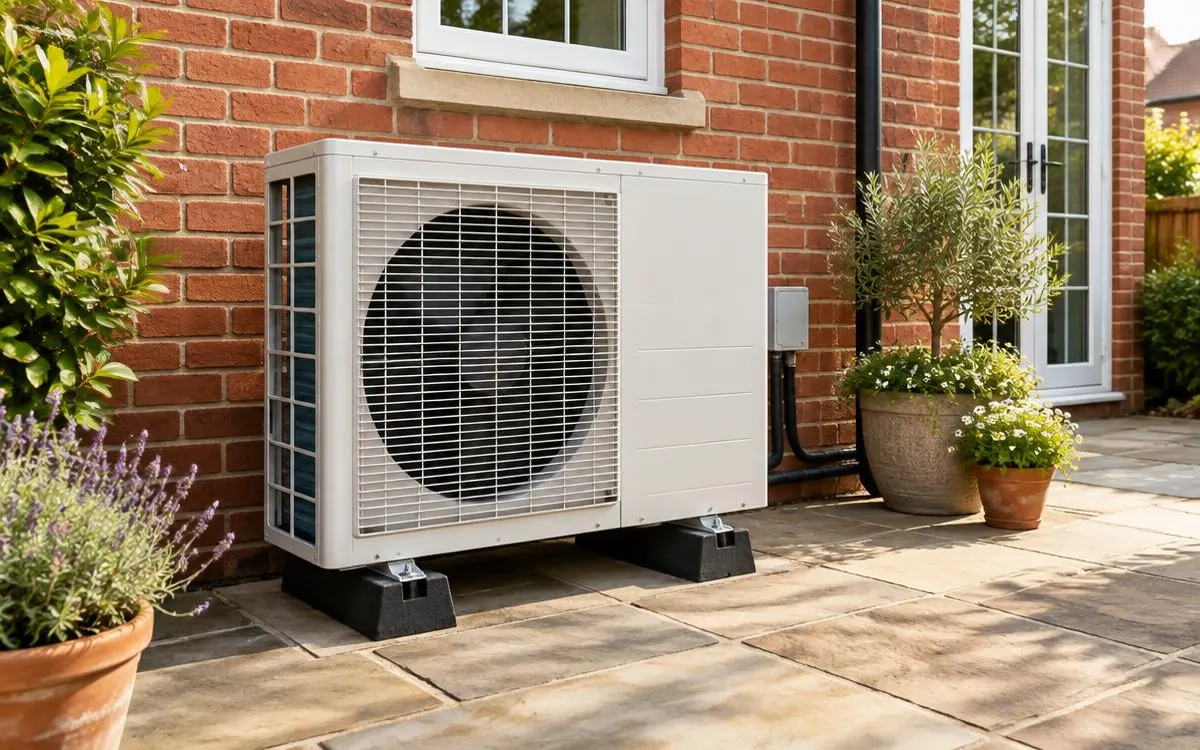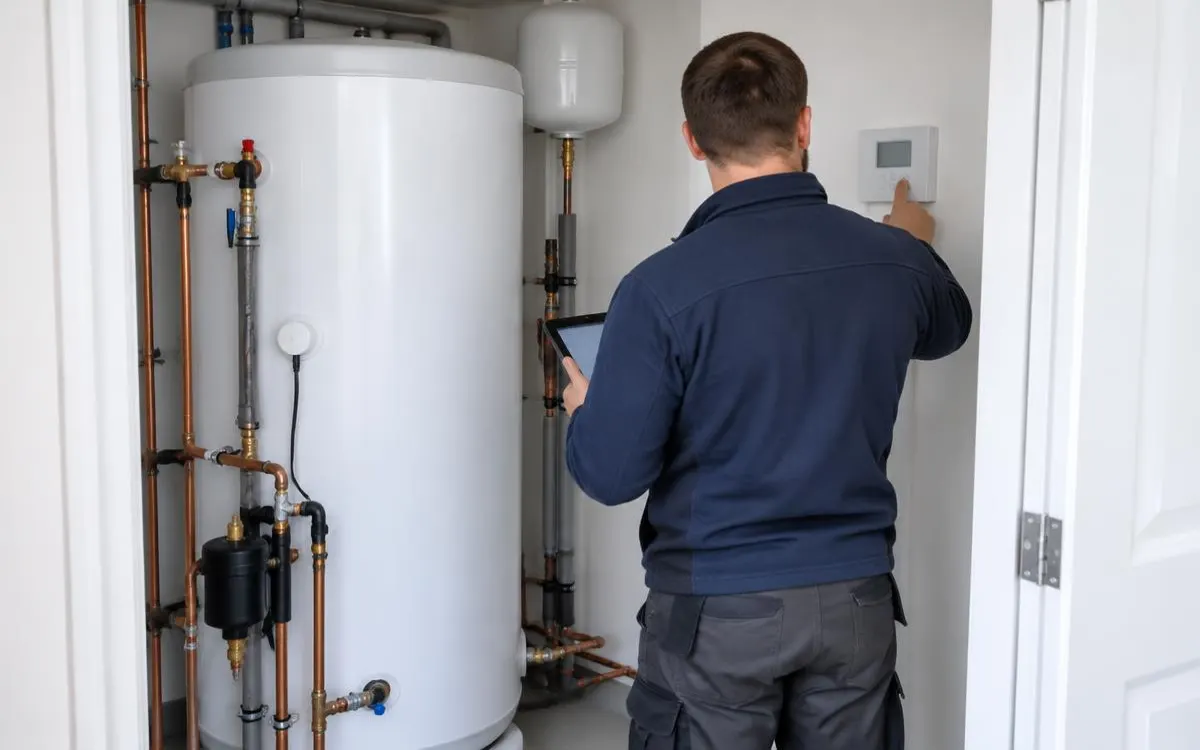
Budget for maintenance using your equipment requirements and written service proposals rather than a claimed average price. This guide is for homeowners planning aftercare before installation or reviewing an existing arrangement. It explains what to ask about servicing, warranty conditions and safe routine checks. The actual service scope depends on the system, manufacturer and engineer’s agreement.
For the broader overview, read our guide: How Much Is a Heat Pump.
Independent guide. We are not a lender or a government body. Always check current scheme rules with the official provider.
1. Establish servicing and warranty requirements
Annual servicing by a qualified engineer is commonly required to maintain manufacturer warranties. Check the exact conditions for your equipment rather than assuming every product uses identical rules. Ask who is authorised to service it and what evidence you need to retain. Keep the product details, installation documents and warranty registration together. A proposed service plan should explain how it meets those written requirements.
Ask what happens when a visit identifies a fault or work outside the routine service. The engineer should explain whether diagnosis, parts, travel and return visits fall inside the agreement. Read equipment cover separately from the installer’s workmanship protection. Neither description should be treated as a promise that every repair is free. Request written clarification before committing to an ongoing plan or authorising additional work.
2. Ask what the service actually checks
A service can include inspection of the unit, controls, water-side operation and system records where relevant. The engineer should follow the manufacturer’s procedure for your specific installation. Ask how checks cover the heating arrangement and hot-water equipment rather than the outdoor unit alone. Request a written report explaining findings, recommended work and any unresolved fault. Do not interpret a brief attendance record as a complete description of the service.
Compare service plan proposals on scope and responsibilities before comparing the quoted amount. Ask how appointments are arranged and whether urgent faults follow a separate process. Check what happens if the original installer stops offering aftercare or another engineer services the equipment. Record contact details and the information required when reporting a problem. Clear arrangements matter more than an unexplained label such as comprehensive cover.
- Read the manufacturer’s servicing and warranty conditions.
- Request the engineer’s service scope and plan quotation in writing.
- Confirm exclusions, fault reporting and record requirements.
3. Keep owner checks safe and useful
Keep the outdoor unit clear of leaves or other visible obstructions without opening its casing. Follow the manufacturer’s advice when snow affects access or airflow; do not damage the equipment trying to clear it. Check accessible filters only where the handover instructions explain a safe owner procedure. Record error messages and changes in operation for the engineer. Never open electrical compartments or attempt work on the refrigerant circuit.
Add routine servicing to your household plan without inventing a standard annual maintenance bill. Ask installers for service plan costs and any separate repair charging arrangements in writing. Keep a record of completed visits and follow-up recommendations with your warranty documents. If a requirement is unclear, contact the manufacturer or qualified engineer before changing equipment settings. This approach separates safe observation from work needing professional assessment and protects the usefulness of your maintenance records.
Checklist
- I have read the exact manufacturer servicing conditions.
- I know who can service my equipment.
- I have written scope, exclusions and plan costs.
- I keep reports and warranty records together.
- I know which owner checks are safe and permitted.
Frequently asked questions
What is my average annual servicing cost?
No single figure covers every system and agreement. Request written service quotations specifying equipment, checks, exclusions and any separate repair charges.
Can I service my heat pump myself?
Limit yourself to the safe owner checks described at handover. Servicing and any electrical or refrigerant work belong with a qualified engineer.
Will my service plan cover all repairs?
Do not assume that. Check parts, labour, diagnosis and return-visit exclusions, and ask how repair approval works outside the routine service.
What records should I keep for my warranty?
Retain the warranty terms, registration, service reports and relevant repair correspondence. Ask the manufacturer which records it requires for a claim.
So you can budget for documented aftercare without relying on unsupported average maintenance prices.
WHLS Editorial Team
Our editorial team writes independent, plain-English guides on home energy finance. We review guides when scheme rules change.
References
- Energy Saving Trust – Air source heat pumps (opens in a new tab)
- GOV.UK – Apply for the Boiler Upgrade Scheme (opens in a new tab)
- GOV.UK – Notice of approved grant categories and values for the Boiler Upgrade Scheme (opens in a new tab)
- Energy Saving Trust – Boiler Upgrade Scheme (opens in a new tab)
- MoneySavingExpert – Warm Homes Loan Scheme news (October 2026) (opens in a new tab)
- Financial Conduct Authority – Financial Services Register (opens in a new tab)
- MCS – Find an installer (opens in a new tab)
- Energy Saving Trust – Warm Homes: Local Grant guide (opens in a new tab)
- Home Energy Scotland – Grants and loans (opens in a new tab)
- MCS – Home Energy Scotland Grant and Loan (opens in a new tab)
- Energy Saving Trust – Welsh Government Nest scheme (opens in a new tab)
- Energy Saving Trust – Consumer protection (opens in a new tab)
- HIES – Home Insulation and Energy Systems (opens in a new tab)
- Planning Portal – Heat pumps (opens in a new tab)