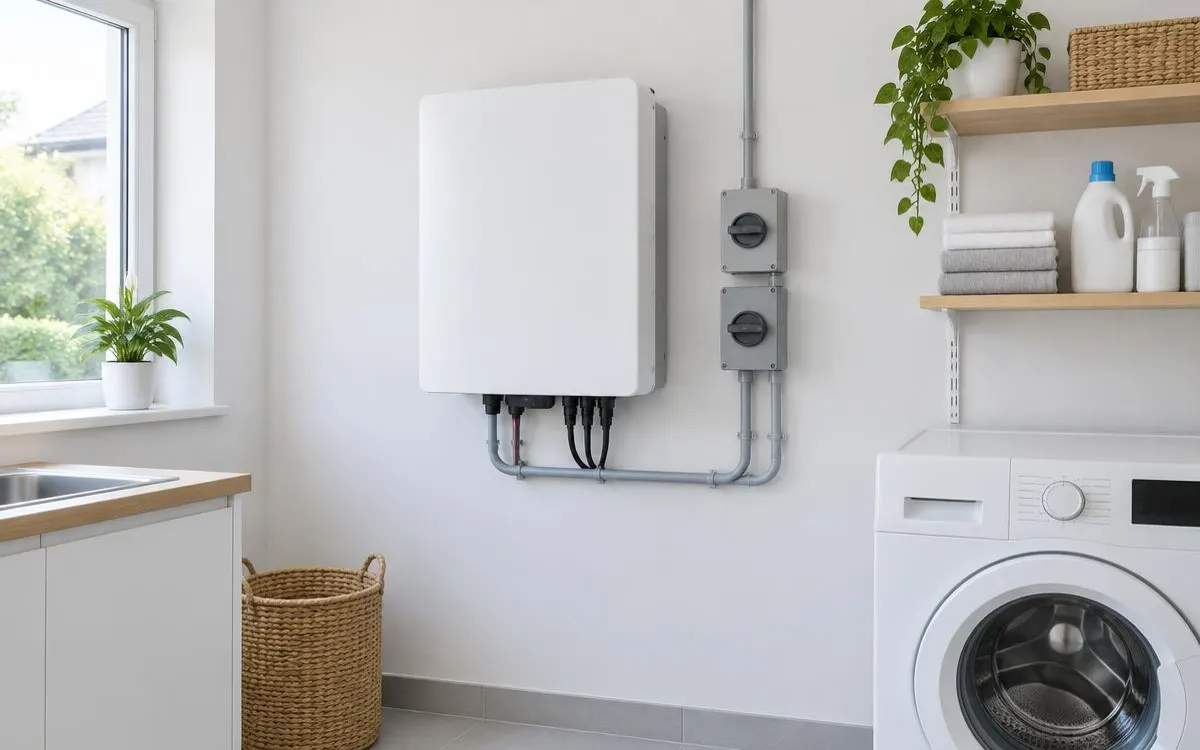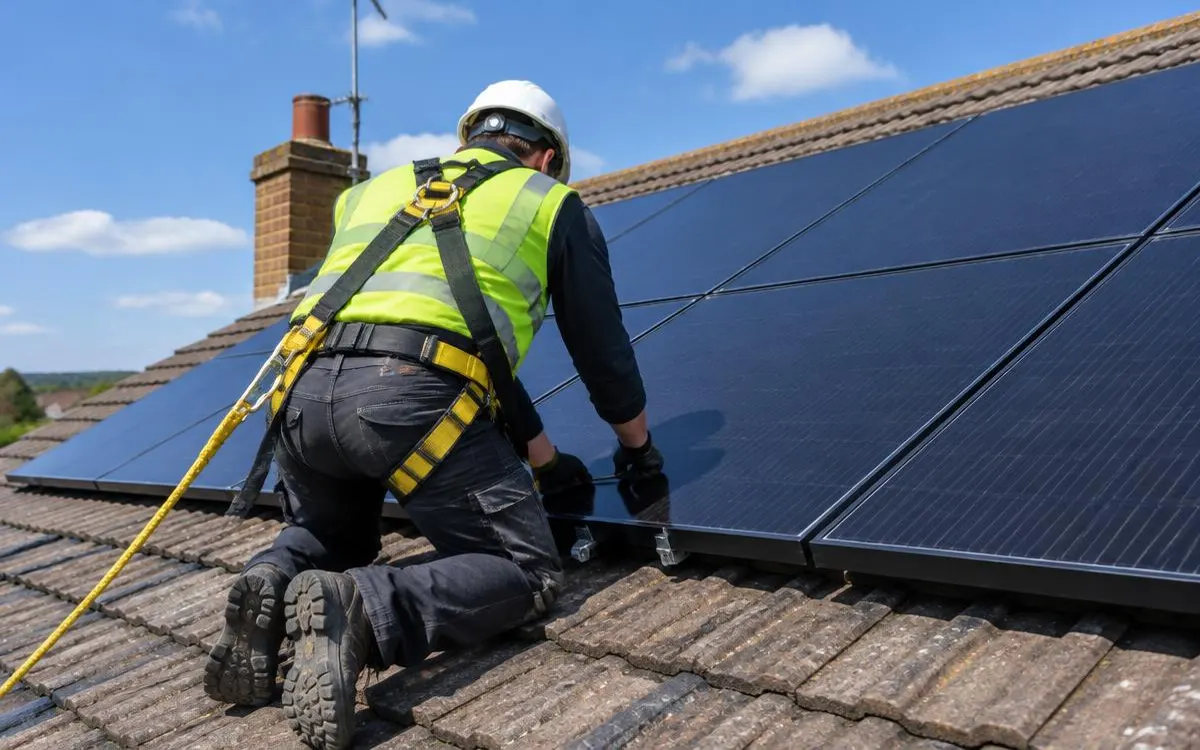
Agree the installation responsibilities before work starts and keep the handover documents after completion. Your checklist should cover the survey, design, access arrangements and required network checks as well as the panels. Ask your MCS-certified installer to explain the sequence for your property. This guide organises the before, during and after stages without replacing the installer's technical instructions.
For the broader overview, read our guide: Solar Arrays UK.
Independent guide. We are not a lender or a government body. Always check current scheme rules with the official provider.
1. Before installation: confirm the plan
Request a home survey that considers roof condition, available space, shading and the electrical installation. Ask for a written design identifying the panels, inverter and any battery equipment. Confirm where the equipment will sit and how the installer will reach it safely. Record any roof repairs or electrical changes needed before fitting begins.
Ask who checks planning requirements and handles network operator notification or approval. Those responsibilities depend on the installation, so request the specific route rather than a general assurance. Confirm whether the proposed start date depends on an approval or earlier contractor work. Keep any required decision with the quote and installation schedule.
Read the final written scope alongside warranty and payment terms. Check the installer's MCS details and the consumer protection arrangements relevant to your contract. If funding is involved, follow the provider's approval and installer conditions before ordering work. Do not treat a booked survey as approval for an installation that still needs a written offer.
- Confirm the survey findings, design and equipment models in writing.
- Identify responsibility for planning, network checks and preparatory work.
- Agree safe access, scaffolding arrangements and the installation scope.
2. During installation: record agreed changes
Keep a named contact for questions while the work is underway. Ask how the installer will protect access routes and communicate changes to the schedule. Leave roof work, wiring and equipment testing to the qualified team. Do not climb scaffolding or enter an active work area to inspect progress yourself.
If the survey assumptions prove wrong, request an explanation before agreeing extra work. Ask for the revised scope, equipment details and any changed price in writing. Check with your funding provider if the approved measures or installer arrangements would change. Keep the revision with the original contract so the final handover reflects the work actually agreed.
Ask the installer to explain commissioning as the stage where the fitted system is checked and prepared for use. Request a demonstration of normal operation, monitoring and the fault reporting process. Do not accept unfamiliar warning lights as normal without an explanation. Follow the manufacturer's instructions rather than attempting adjustments to electrical equipment yourself.
3. After installation: complete the handover
Ask for the MCS certificate for the certified installation and confirm the recorded property and equipment details. Request the relevant electrical certificate, commissioning information and network notification or approval records. Ask which documents apply to your installation rather than assuming every system has identical paperwork. Keep digital copies and the installer's contact details somewhere you can find them later.
- Written final specification and equipment model details.
- MCS installation certificate and relevant electrical certification.
- Commissioning and network connection records applicable to the system.
- Manufacturer instructions, monitoring access and safe operating guidance.
- Equipment warranties, workmanship protection and fault contact details.
Review the handover with the installer instead of simply collecting an unexplained folder. Ask who deals with each warranty claim and what evidence they need. Confirm how you can check generation from a safe location and recognise a reported fault. Resolve missing documents through the installer before considering the handover complete.
Checklist
- My survey and final design are recorded.
- I know who handles network and planning checks.
- I have written records of any changes.
- I received commissioning and certification documents.
- I understand monitoring and fault reporting.
Frequently asked questions
What should I confirm before my installation starts?
Confirm the design, equipment, preparatory work, approvals and safe access. Follow any funding conditions requiring an offer before installation.
Who handles my network operator notification?
Ask the installer to confirm responsibility and the route required for your system. Keep the relevant notification or approval record.
What if my installer changes the design?
Ask for a revised written specification and scope. Where funding approval applies, check whether the provider must approve the change.
Which certificates should I keep?
Request the MCS certificate, relevant electrical certification and commissioning records. Ask the installer which documents apply and keep them with the warranties.
So you can follow the installation stages and keep the records needed to operate and maintain your system.
WHLS Editorial Team
Our editorial team writes independent, plain-English guides on home energy finance. We review guides when scheme rules change.
References
- Energy Saving Trust – Solar panels (opens in a new tab)
- Planning Portal – Solar equipment planning checks (opens in a new tab)
- GOV.UK – Register energy devices (opens in a new tab)
- Energy Saving Trust – Solar panel cleaning and maintenance (opens in a new tab)
- Electrical Safety First – Solar panels (opens in a new tab)
- MCS – Find an installer (opens in a new tab)
- Energy Saving Trust – Consumer protection (opens in a new tab)