Home solar panels generate electricity from sunlight, giving you a source of power at your property. The benefit depends on the design, your electricity use and when generation is available. Solar does not remove every grid connection or guarantee a particular financial outcome. This guide explains the practical and environmental role without savings figures, carbon estimates or health claims.
For the broader overview, read our guide: Solar Arrays UK.
Independent guide. We are not a lender or a government body. Always check current scheme rules with the official provider.
1. Understand generation and household use
Solar electricity can supply household demand when the system is generating and your home uses that power. This can reduce reliance on electricity drawn from the grid at those times. Generation and demand do not always occur together, so the pattern of use matters. Ask the installer to explain that relationship rather than presenting annual generation as electricity you will automatically consume.
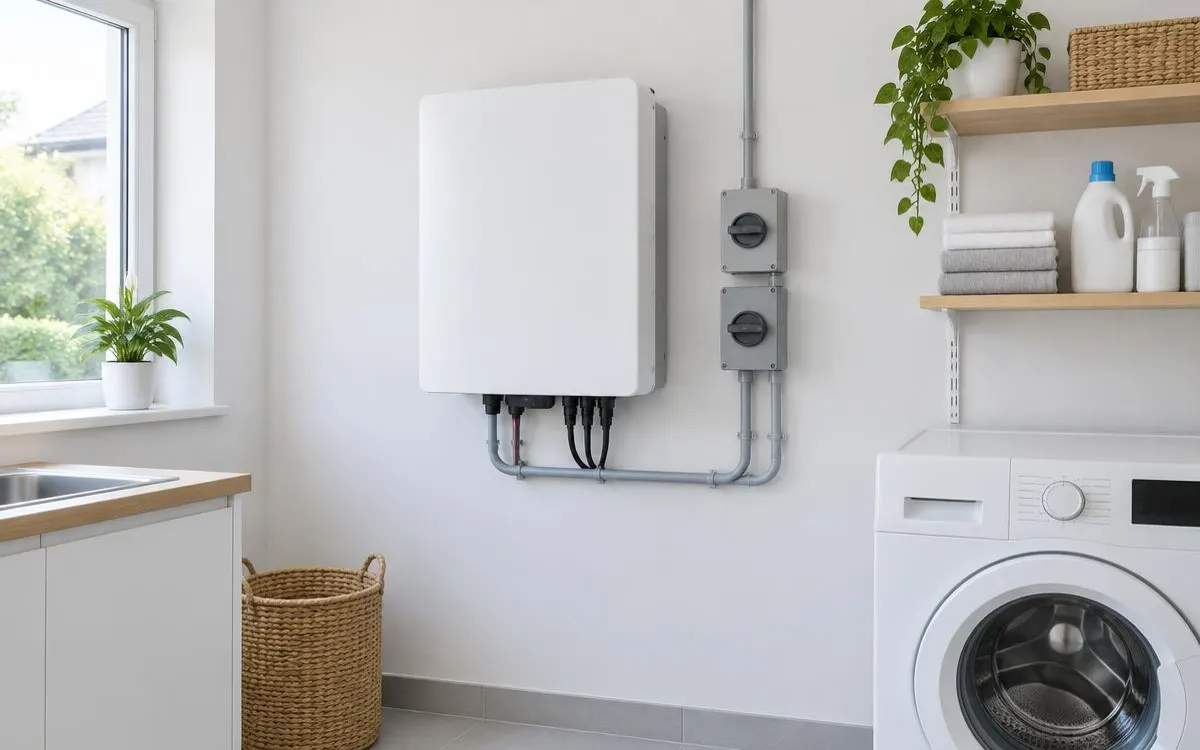
A battery stores electricity for later use, adding another part to the system design. It does not create solar generation or remove the need to assess capacity, controls and compatibility. Ask why a battery is proposed and what its intended role is in your home. Compare a solar-only proposal as well as the combined installation before making a decision.
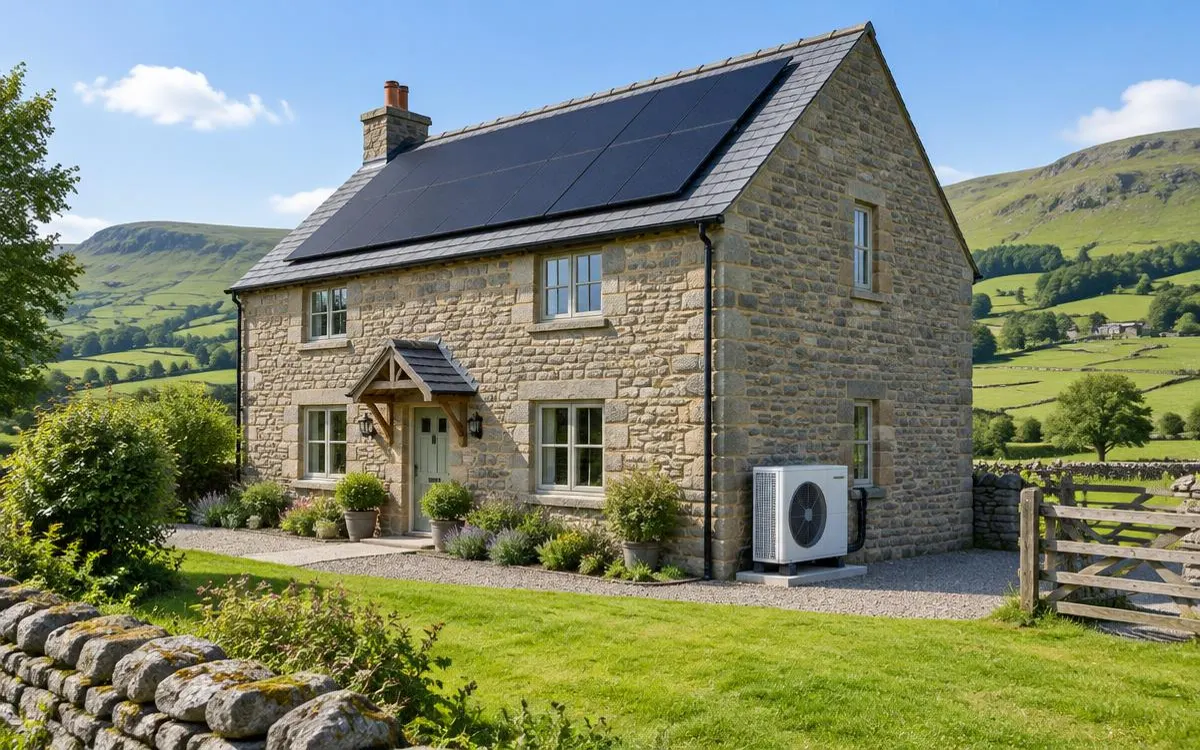
A heat pump also uses electricity, so solar can form part of a wider home energy plan. The timing of heating demand and solar output still differs, especially across seasons. Do not assume panels supply all the electricity a heat pump needs. Ask installers to explain each measure separately and how the proposed systems interact.
- Ask how generation is expected to relate to your household use.
- Separate the role of panels from any battery or heating equipment.
- Compare the complete design without assuming independence from the grid.
2. Consider the environmental role realistically
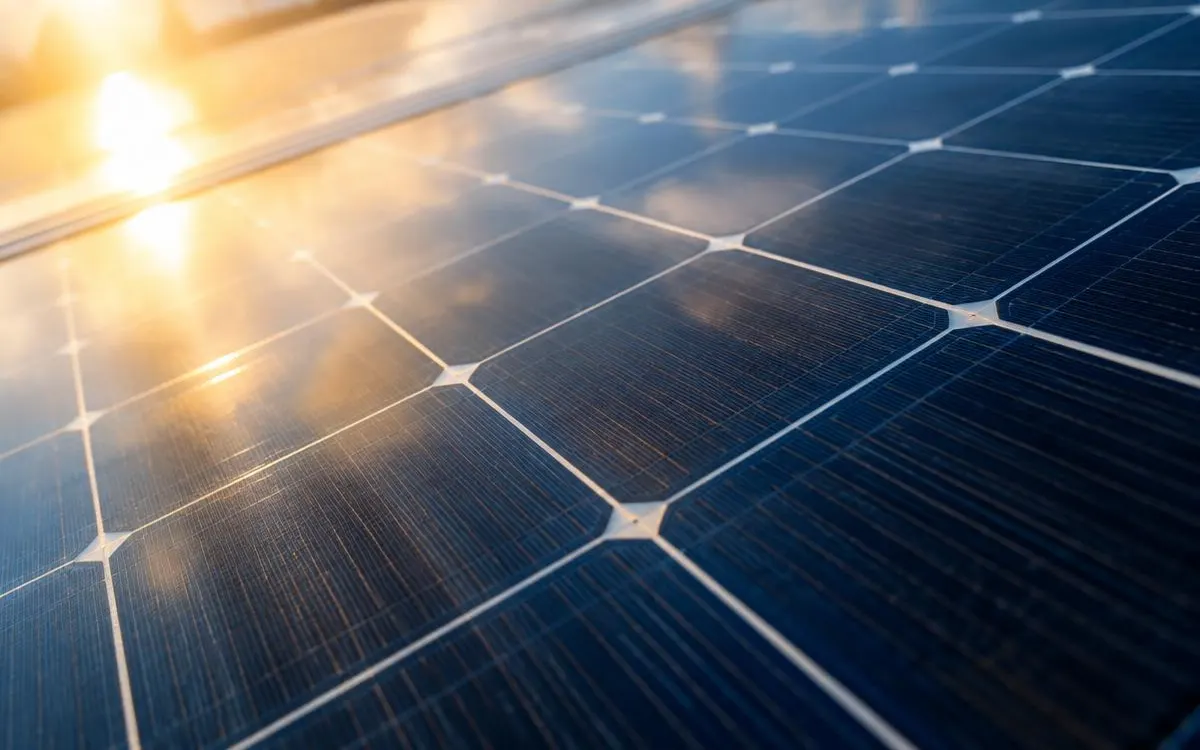
Solar provides renewable electricity during generation and can help lower the carbon impact of household energy use. That benefit should not be described as a fixed carbon saving for every property. Output, use and the wider energy system all affect the result. This guide therefore gives no carbon figure or promise of a particular reduction.
Making and transporting panels and other equipment also involves materials and energy. Consider those stages alongside the electricity generated during use rather than calling the complete system impact-free. Ask for product information if environmental claims influence your equipment choice. Avoid treating a marketing label as a full account of manufacturing, installation and disposal.
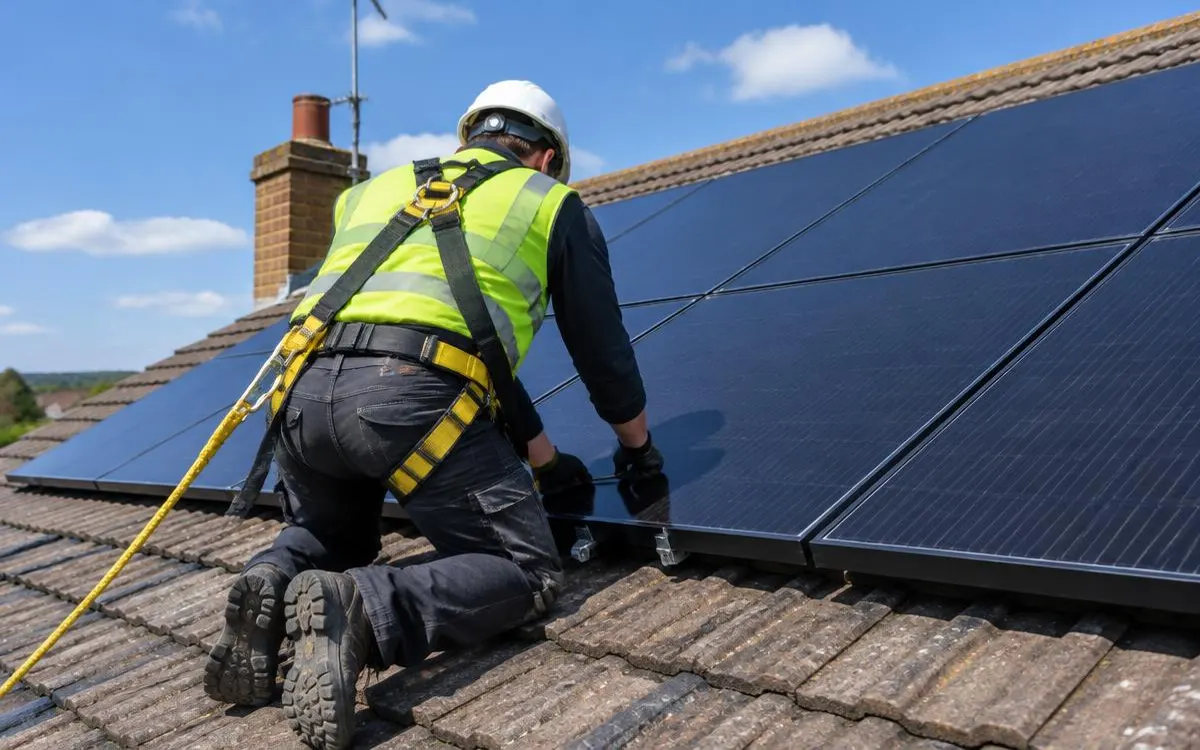
A suitable design and clear aftercare help you manage the equipment responsibly. Keep monitoring access, warranty information and fault contacts available after installation. Report unexpected changes to the installer instead of ignoring them or attempting roof repairs yourself. Maintaining records supports informed decisions when equipment later needs repair or replacement.
3. Ask about the end of the system's life
Ask the supplier about end-of-life panel recycling and the route available for the proposed equipment. Recycling is a disposal question to plan for, not a guarantee that every material will be recovered. Batteries and inverters also need their own appropriate handling arrangements. Do not dismantle electrical equipment or treat a complete installation as ordinary household waste.
Keep equipment model details and supplier information with the handover paperwork. Ask who can advise on removal and recycling when replacement becomes necessary. The answer should account for safe roof access, electrical work and the actual local disposal route. Avoid assuming the original installation price includes every future removal responsibility.
Decide whether the proposal fits your home before selecting it for broad environmental claims. Compare written quotes, equipment explanations and the effect of any borrowing on your household budget. Check funding through the provider rather than assuming a solar installation automatically qualifies. A realistic decision connects environmental aims with a suitable design and clear ownership responsibilities.
Checklist
- I understand when solar can supply my home.
- I have not assumed complete grid independence.
- I asked about battery and heat pump interaction.
- I checked environmental claims without relying on figures.
- I asked about removal and recycling routes.
Frequently asked questions
Will my panels make my home independent of the grid?
Do not assume that. Solar output and household demand vary, and a connected home can still need grid electricity.
Can my solar work with a battery?
Yes, where the equipment and design are compatible. Ask the installer to explain storage, controls and the reason for the proposed battery.
Will my panels supply all my heat pump electricity?
Do not assume that. Ask about generation and heating demand across seasons and keep the design for each measure clear.
How should I plan recycling for my panels?
Ask the supplier about appropriate removal and panel recycling routes. Keep product details and do not attempt electrical or roof dismantling yourself.
So you can weigh solar's practical and environmental role without relying on guaranteed savings or impact claims.
WHLS Editorial Team
Our editorial team writes independent, plain-English guides on home energy finance. We review guides when scheme rules change.
References
- Energy Saving Trust – Solar panels (opens in a new tab)
- Planning Portal – Solar equipment planning checks (opens in a new tab)
- GOV.UK – Register energy devices (opens in a new tab)
- Energy Saving Trust – Solar panel cleaning and maintenance (opens in a new tab)
- Electrical Safety First – Solar panels (opens in a new tab)
- MCS – Find an installer (opens in a new tab)
- Energy Saving Trust – Consumer protection (opens in a new tab)