An air source heat pump offers a different way to supply heating, but suitability still depends on your home. This guide is for homeowners weighing practical benefits against installation requirements. It covers low-carbon heating, available support and compatibility with other household equipment. Compare those possibilities with a surveyed design rather than expecting guaranteed savings or improvements from the equipment alone.
For the broader overview, read our guide: Air Source Heating.
Independent guide. We are not a lender or a government body. Always check current scheme rules with the official provider.
1. Understand the heating benefits without promises
A heat pump moves heat from outside air using electricity rather than burning fossil fuel at the unit. This supports a low-carbon heating approach, but the complete environmental picture still depends on energy use and supply. Do not treat the label as a claim that operation has no impact. Ask the installer to explain how the proposed system replaces your current heating. Keep any retained heating or hot-water arrangements visible in that explanation.
A suitable design and control plan can provide steady comfort instead of relying on abrupt heating changes. Household experience depends on the building, heat emitters and how the system is operated. Ask what differences you should expect from your current routine and which adjustments are intended for owners. Do not infer a health benefit or guaranteed bill reduction from steadier heating. A clear handover should explain the system without promising identical results in every home.
2. Check grants and connected equipment
Boiler Upgrade Scheme support is available for eligible installations in England and Wales through an MCS-certified installer. The air-to-water grant is £7,500, or £9,000 for off-gas oil or LPG replacement. Air-to-air support is £2,500 under its published category. Confirm the complete rules through GOV.UK before relying on a deduction. Scotland has Home Energy Scotland grant-and-loan support with its own conditions and written-offer requirement.
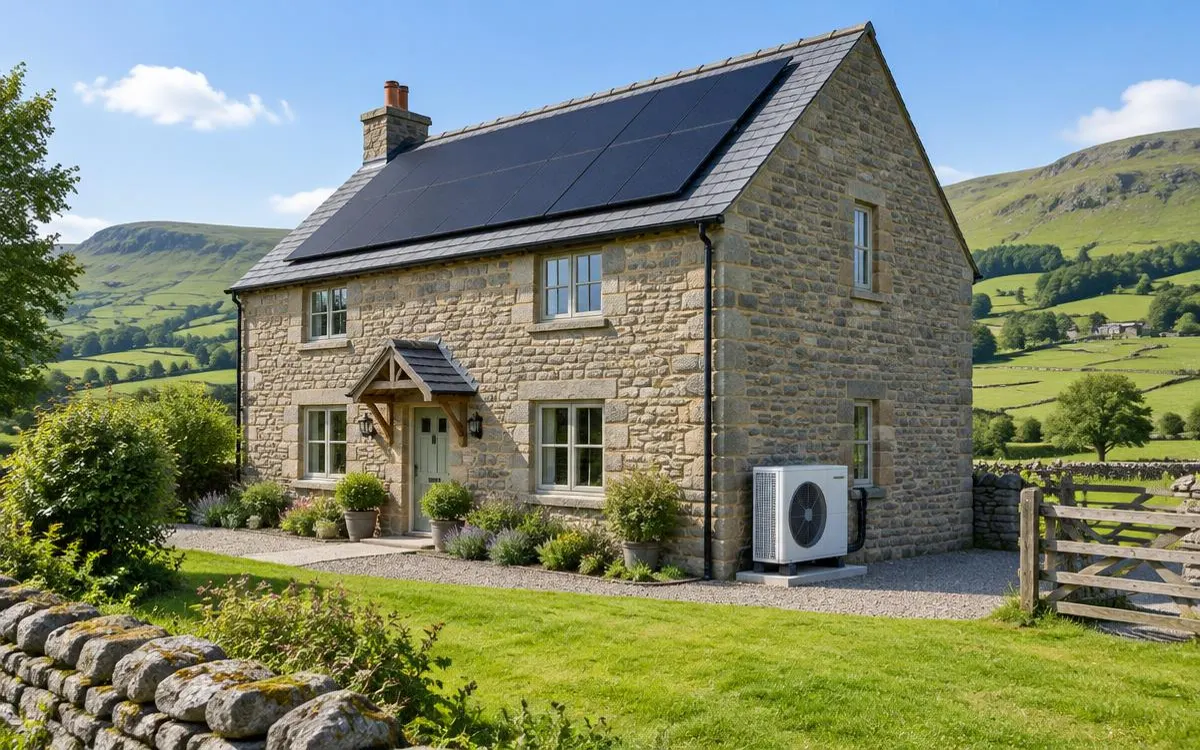
Solar panels and batteries can work alongside a heat pump within a compatible household design. Generation and heating demand do not always coincide, so ask how the proposed arrangement handles that difference. Storage choices also need assessment rather than an assumption that heating becomes free. Compare each additional purchase on its own scope and requirements. Your decision should not depend on unsupported savings figures or a salesperson’s claim about automatic compatibility.
- Ask how the proposal replaces existing heating and hot water.
- Check grant eligibility and the remaining installation contribution.
- Discuss controls and realistic changes to your heating routine.
- Assess solar and battery compatibility separately.
3. Balance benefits against property requirements
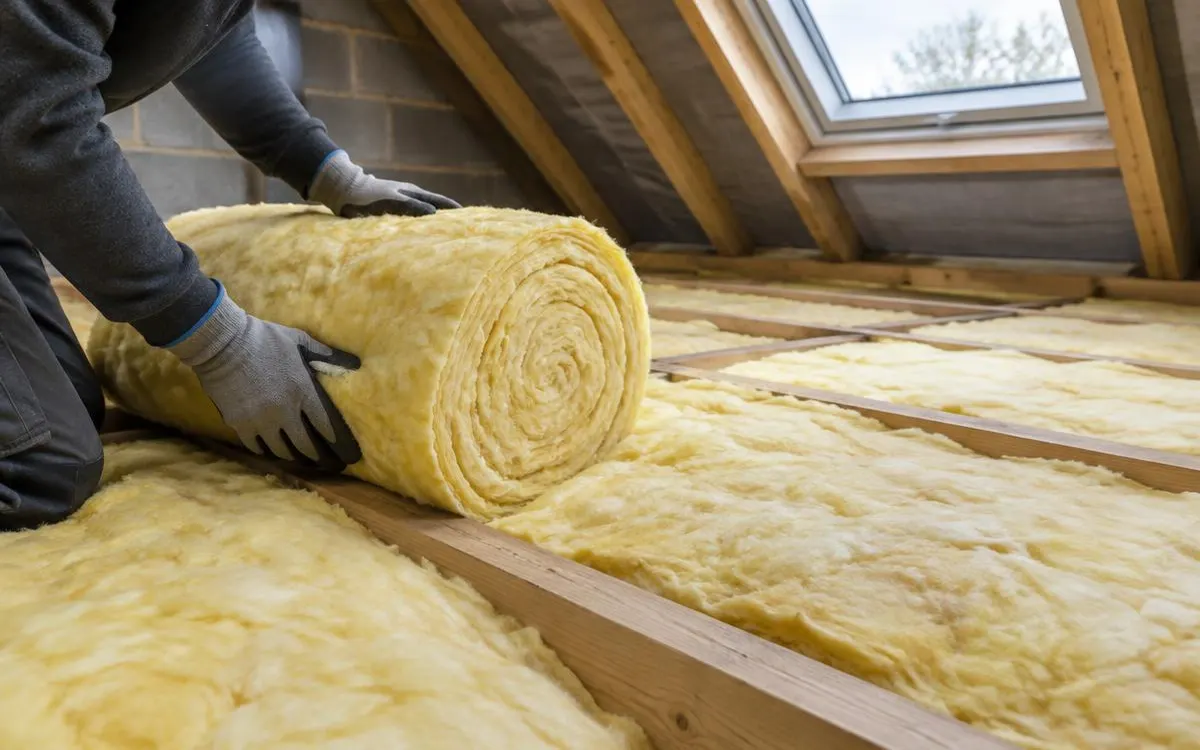
Insulation and suitable radiators or other heat emitters help a water-based design meet the home’s heating needs. Ask which existing features suit the proposal and what improvements the survey recommends. Do not assume every property needs identical building work before installation. Discuss cylinder space where the design includes domestic hot water. Keep necessary alterations separate from optional improvements so the decision remains specific to your home.
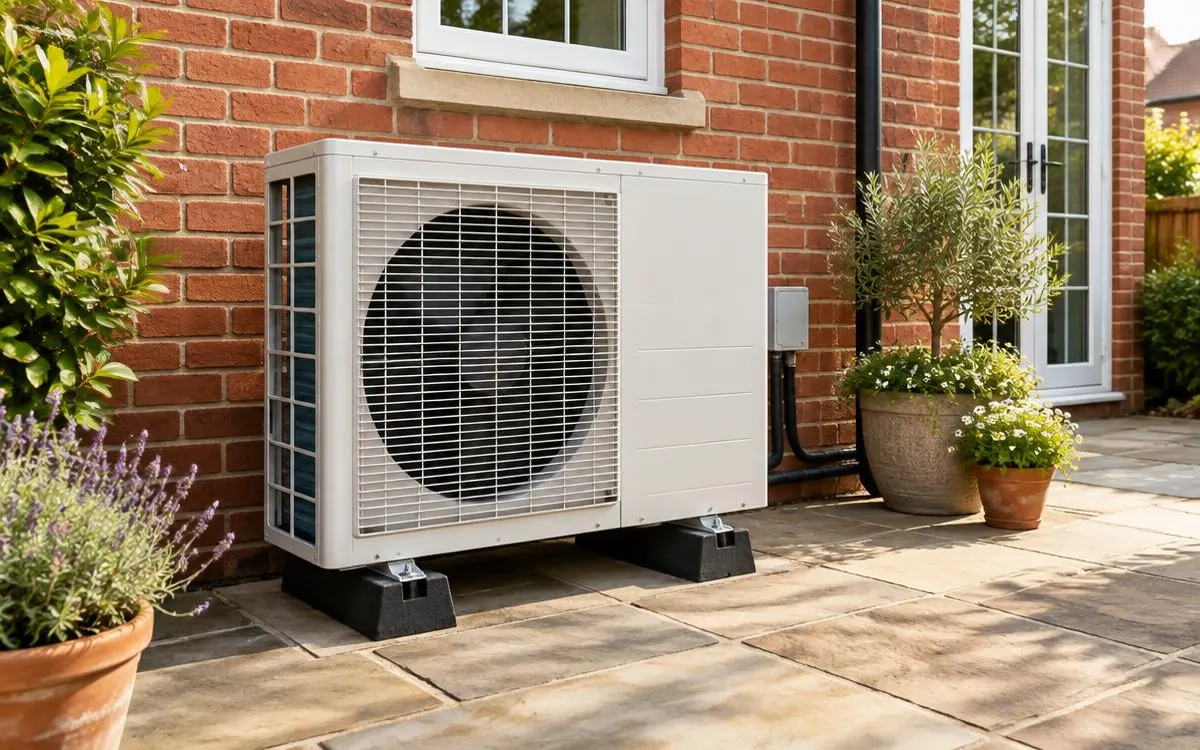
An outdoor unit needs a suitable position with access and a considered siting plan. Ask about nearby windows, noise information and any planning checks relevant to the proposal. For air-to-air systems, discuss indoor units and separate hot-water provision as well. Compare two or three MCS proposals using the same household brief. A balanced choice explains both the heating opportunity and the practical work required to make the installation suitable.
Checklist
- I understand the proposed heating and hot-water arrangement.
- I have checked grants without assuming approval.
- I have reviewed insulation and heat-emitter requirements.
- I have considered outdoor space and siting.
- I have assessed connected equipment without guaranteed savings.
Frequently asked questions
Will my heat pump guarantee lower bills?
No. This guide does not promise savings. Your design, operation, household demand and electricity terms all need assessment.
Will I still burn fossil fuel at my heat pump?
The heat pump itself uses electricity rather than burning fossil fuel. Ask what other heating or hot-water equipment remains in your proposed arrangement.
Can my home benefit without changing every radiator?
Ask the installer to assess the existing emitters against the heating design. Do not assume that every radiator needs replacement or that none do.
Can I combine my heat pump with solar and a battery?
A compatible design can connect these technologies, but household use and generation need assessment. Ask for a clear explanation without promised savings.
So you can weigh heating benefits against the real design, space and funding requirements of your home.
WHLS Editorial Team
Our editorial team writes independent, plain-English guides on home energy finance. We review guides when scheme rules change.
References
- Energy Saving Trust – Air source heat pumps (opens in a new tab)
- GOV.UK – Apply for the Boiler Upgrade Scheme (opens in a new tab)
- GOV.UK – Notice of approved grant categories and values for the Boiler Upgrade Scheme (opens in a new tab)
- Energy Saving Trust – Boiler Upgrade Scheme (opens in a new tab)
- MoneySavingExpert – Warm Homes Loan Scheme news (October 2026) (opens in a new tab)
- Financial Conduct Authority – Financial Services Register (opens in a new tab)
- MCS – Find an installer (opens in a new tab)
- Energy Saving Trust – Warm Homes: Local Grant guide (opens in a new tab)
- Home Energy Scotland – Grants and loans (opens in a new tab)
- MCS – Home Energy Scotland Grant and Loan (opens in a new tab)
- Energy Saving Trust – Welsh Government Nest scheme (opens in a new tab)
- Energy Saving Trust – Consumer protection (opens in a new tab)
- HIES – Home Insulation and Energy Systems (opens in a new tab)
- Planning Portal – Heat pumps (opens in a new tab)