Choose heat pump size through a surveyed heating design rather than a rule of thumb. This guide is for homeowners checking how an installer arrived at its proposal. It explains room-by-room heat loss, supporting equipment and the questions that expose weak assumptions. No standard equipment size suits every home, and a larger unit is not automatically a better choice.
For the broader overview, read our guide: Air Source Heating.
Independent guide. We are not a lender or a government body. Always check current scheme rules with the official provider.
1. Ask for room-by-room heat-loss findings
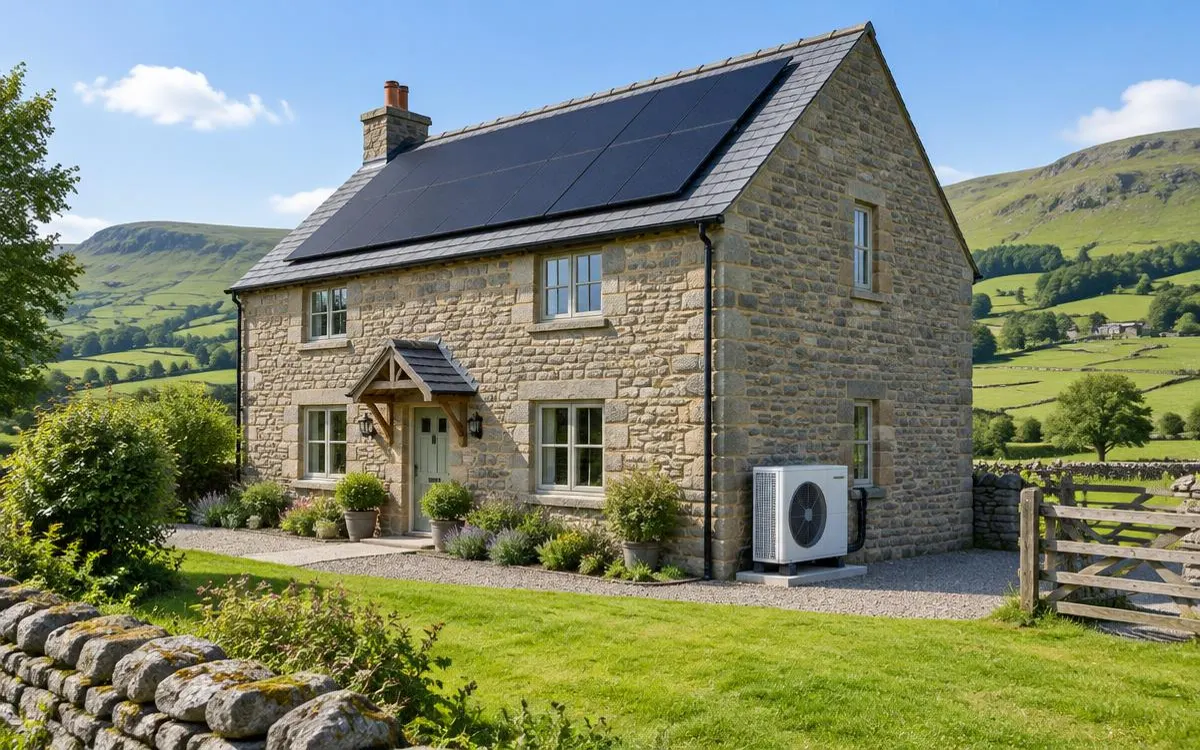
An MCS installer should assess room-by-room heat loss and explain how those findings shape the heating design. Insulation, windows, room dimensions and the building’s construction influence that assessment. Ask which assumptions were used where information was uncertain or inaccessible. The explanation should connect the proposed unit with your property rather than simply repeat your existing boiler rating. Keep the survey findings with the written equipment specification.
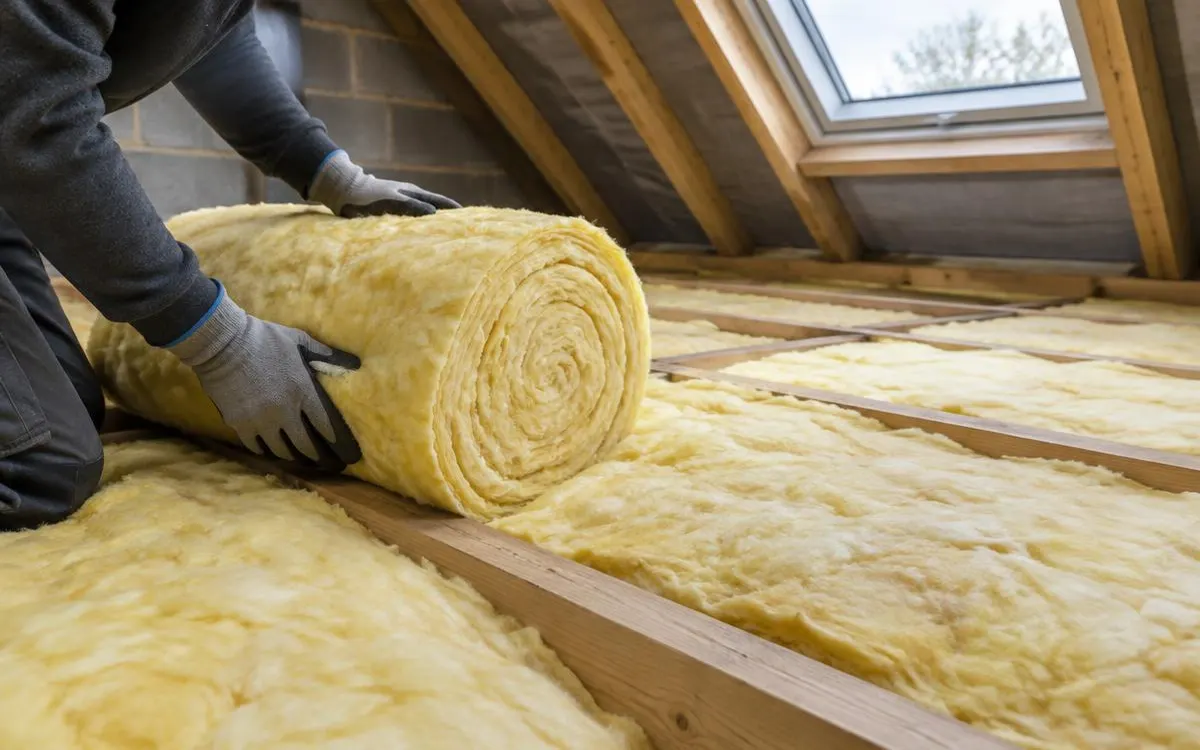
Tell the installer about planned insulation, window work or changes to how rooms are used. Ask whether those plans affect the assessment and when the design should be finalised. House size alone does not describe the heat lost through its fabric. Do not accept an unexplained estimate based only on floor area or a neighbour’s installation. A suitable proposal should account for the actual building and the work you intend to complete.
2. Connect size with emitters and hot water
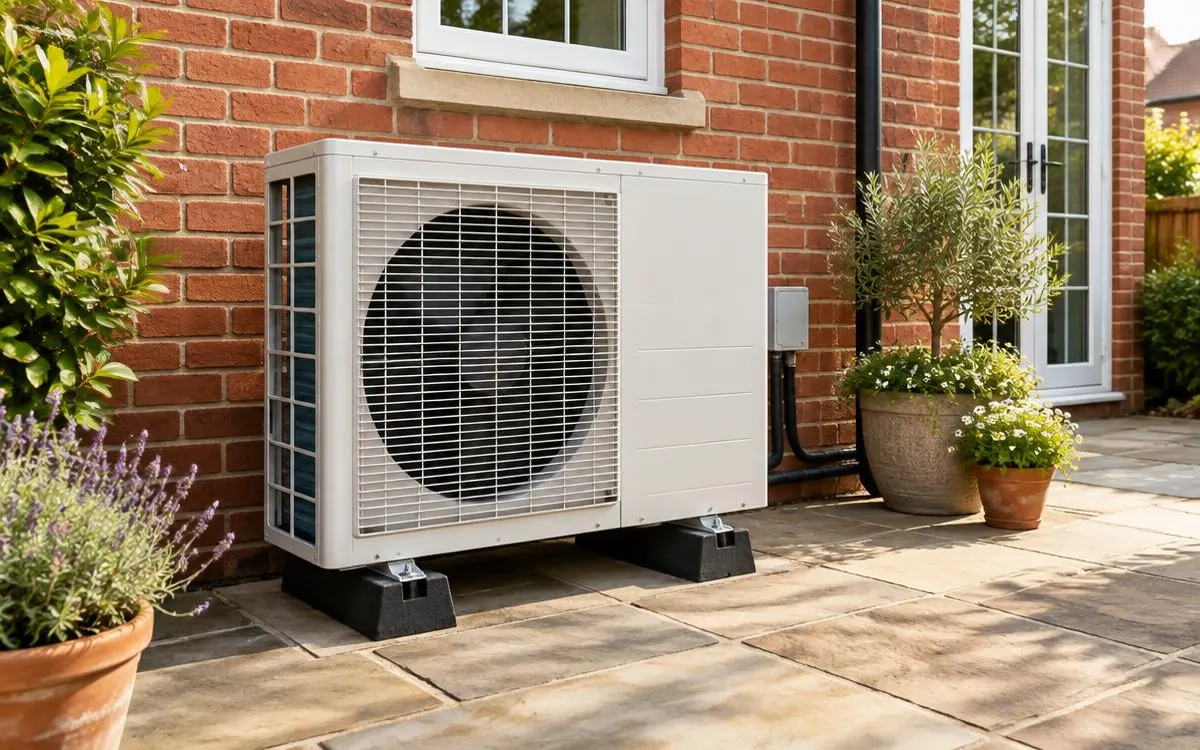
Radiators or other heat emitters need assessment alongside the heat pump and intended flow temperature. Ask which existing emitters meet the room requirements and why changes are proposed elsewhere. Their suitability concerns heat delivery, not simply whether a bigger unit can be purchased. Ask how pipework and controls fit the overall design. A room-by-room explanation should make equipment and supporting-work decisions understandable before the quotation is accepted.
Hot-water use needs its own discussion where the proposed system includes a domestic hot-water arrangement. Tell the installer about normal household routines and any planned changes in occupancy. Ask how the cylinder and control plan meet those requirements without treating demand as an unexplained addition. For air-to-air systems, clarify the separate hot-water provision. Keep space heating and hot-water assumptions visible so the complete proposal can be compared with alternatives.
- Share property details and planned building improvements.
- Request room-by-room heat-loss findings and design assumptions.
- Ask how emitters, controls and hot water fit the specification.
3. Question both oversizing and undersizing
An oversized unit can create operating difficulties, including avoidable cycling in some arrangements. An undersized design can struggle to meet the heating demand it was intended to serve. Neither problem is solved by choosing equipment solely because its headline size looks reassuring. Ask the installer how the proposal handles different weather and household conditions. Do not alter equipment selection yourself to compensate for an unexplained design or high quotation.
Red flags include sizing without a survey, copying the old boiler rating and refusing to explain assumptions. Ask for written reasons when two or three MCS proposals specify substantially different equipment. Compare the underlying heat-loss findings before treating the largest or smallest unit as the right answer. Request a revised design if planned property work changes the assumptions. Keep unresolved questions open until the installer provides a clear, property-specific explanation.
Checklist
- I have received room-by-room heat-loss findings.
- I have shared insulation and window improvement plans.
- I understand the radiator and flow-temperature proposal.
- I have clarified hot-water needs and controls.
- I have written reasons for the proposed equipment size.
Frequently asked questions
Can I choose my heat pump size from floor area alone?
No. Ask for room-by-room heat loss using the building’s actual features and stated assumptions. Floor area alone does not explain the full requirement.
Should I match my existing boiler size?
Do not assume that. Ask the MCS installer to explain the surveyed heating requirement and how the proposed heat pump meets it.
Is a larger unit always better for my home?
No. Oversizing can cause operating difficulties, while undersizing can leave demand unmet. A clear design matters more than an unexplained equipment size.
What should I do when my quotes specify different sizes?
Compare the surveys, assumptions, emitters and hot-water plans. Ask each installer for written reasons before choosing or requesting a revised specification.
So you can assess a heat pump proposal through documented design rather than guesswork about equipment size.
WHLS Editorial Team
Our editorial team writes independent, plain-English guides on home energy finance. We review guides when scheme rules change.
References
- Energy Saving Trust – Air source heat pumps (opens in a new tab)
- GOV.UK – Apply for the Boiler Upgrade Scheme (opens in a new tab)
- GOV.UK – Notice of approved grant categories and values for the Boiler Upgrade Scheme (opens in a new tab)
- Energy Saving Trust – Boiler Upgrade Scheme (opens in a new tab)
- MoneySavingExpert – Warm Homes Loan Scheme news (October 2026) (opens in a new tab)
- Financial Conduct Authority – Financial Services Register (opens in a new tab)
- MCS – Find an installer (opens in a new tab)
- Energy Saving Trust – Warm Homes: Local Grant guide (opens in a new tab)
- Home Energy Scotland – Grants and loans (opens in a new tab)
- MCS – Home Energy Scotland Grant and Loan (opens in a new tab)
- Energy Saving Trust – Welsh Government Nest scheme (opens in a new tab)
- Energy Saving Trust – Consumer protection (opens in a new tab)
- HIES – Home Insulation and Energy Systems (opens in a new tab)
- Planning Portal – Heat pumps (opens in a new tab)