Record what changed before trying to solve a heat pump problem through unfamiliar settings. This guide is for homeowners facing cold rooms, noise, alerts, hot-water concerns or unexpected bills. It separates safe observation from repairs that need a qualified engineer. Use your manufacturer’s instructions and installer contact route rather than treating general troubleshooting as diagnosis of your equipment.
For the broader overview, read our guide: Air Source Heating.
Independent guide. We are not a lender or a government body. Always check current scheme rules with the official provider.
1. Check comfort and hot-water concerns safely
If rooms are not warm enough, check the selected schedule and room settings against your handover instructions. Note whether the problem affects every room or only part of the home. Keep accessible heat emitters unobstructed and report any repeated difference from normal operation. Ask the installer whether controls, balancing or the design need assessment. Do not open equipment or make unadvised changes to pumps, valves or electrical connections.
For low hot-water temperature, record when the problem occurs and whether the household pattern has changed. Check the permitted display information and selected schedule without altering safety-related settings. Ask the installer to review the hot-water arrangement if the problem repeats. Do not disable protective functions or copy settings from another system. A clear record helps the engineer investigate without turning a household concern into an unsafe repair attempt.
2. Distinguish observations from a fault diagnosis
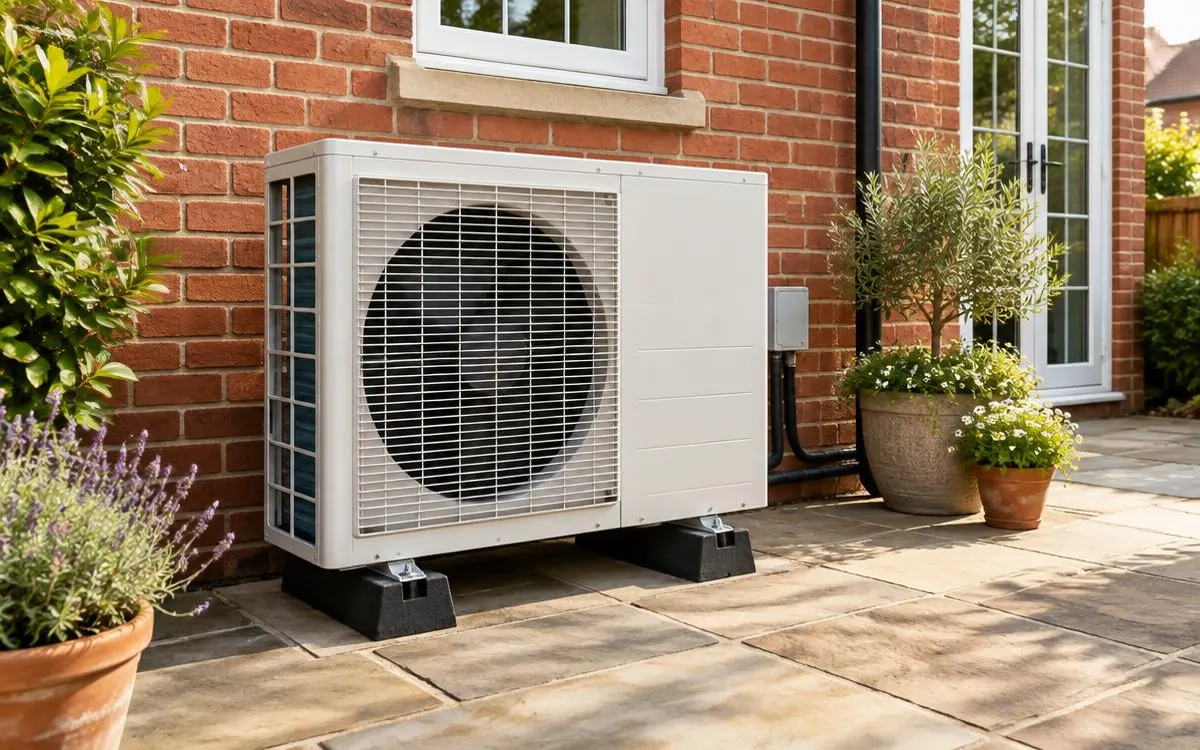
Air source units can enter defrost cycles as part of normal operation in suitable weather conditions. That does not explain every interruption, unusual sound or repeated alert. Record what you see, when it occurs and any message shown on the display. Follow the manufacturer’s guidance on what is normal for your equipment. If operation seems persistently different, contact the installer rather than repeatedly restarting the system.
For noise concerns, note the location, timing and whether the sound has changed since installation. Check for visible leaves or other obstructions only through safe owner procedures. Do not remove guards, reach into moving parts or attach improvised soundproofing. Record error codes exactly, using a photograph if safe, and send them to the installer. An error description is useful evidence but is not permission to attempt electrical or refrigerant work.
- Check permitted display information and record the symptom.
- Compare safe settings with the handover guidance.
- Contact the installer with timing, error codes and relevant observations.
3. Investigate higher bills without unsafe adjustments
Compare electricity use and tariff information before assuming the outdoor unit is faulty. Ask whether household demand, weather or changed controls explain part of the difference. A bill also reflects supplier terms, so separate consumption from the amount charged. Keep monitoring records and recent setting changes for the installer’s review. Do not promise yourself a particular saving or alter unfamiliar controls to force a lower total.
Anything involving electrical compartments or refrigerant belongs with an appropriately qualified engineer. An MCS installer is a useful first contact for installation and design concerns. Ask how the reported problem relates to manufacturer cover or workmanship protection and keep the written response. If equipment appears damaged or unsafe, follow its emergency instructions and avoid further investigation. A professional assessment should identify the cause before repair work or major design changes are agreed.
Checklist
- I have recorded the symptom, timing and displayed alerts.
- I have checked only permitted owner settings.
- I have kept bill and monitoring changes separate.
- I know my installer’s fault-reporting contact.
- I will leave electrical and refrigerant work to qualified engineers.
Frequently asked questions
Are my defrost cycles always a fault?
No. They can be normal, but repeated unusual operation needs assessment against your equipment guidance. Record symptoms and ask the installer if concerned.
What can I check when my rooms are cold?
Review permitted schedules and room settings, note affected rooms and report the pattern. Leave balancing, repair and unfamiliar equipment adjustments to the installer.
Should I reset my system whenever an error appears?
Follow the manufacturer’s instructions rather than repeatedly restarting it. Record the exact alert and ask the installer about persistent or unexplained faults.
Can I repair my electrical connection or refrigerant circuit?
No. Keep clear of those parts and use an appropriately qualified engineer. General troubleshooting does not replace professional fault assessment.
So you can report useful evidence and resolve problems without attempting unsafe repairs.
WHLS Editorial Team
Our editorial team writes independent, plain-English guides on home energy finance. We review guides when scheme rules change.
References
- Energy Saving Trust – Air source heat pumps (opens in a new tab)
- GOV.UK – Apply for the Boiler Upgrade Scheme (opens in a new tab)
- GOV.UK – Notice of approved grant categories and values for the Boiler Upgrade Scheme (opens in a new tab)
- Energy Saving Trust – Boiler Upgrade Scheme (opens in a new tab)
- MoneySavingExpert – Warm Homes Loan Scheme news (October 2026) (opens in a new tab)
- Financial Conduct Authority – Financial Services Register (opens in a new tab)
- MCS – Find an installer (opens in a new tab)
- Energy Saving Trust – Warm Homes: Local Grant guide (opens in a new tab)
- Home Energy Scotland – Grants and loans (opens in a new tab)
- MCS – Home Energy Scotland Grant and Loan (opens in a new tab)
- Energy Saving Trust – Welsh Government Nest scheme (opens in a new tab)
- Energy Saving Trust – Consumer protection (opens in a new tab)
- HIES – Home Insulation and Energy Systems (opens in a new tab)
- Planning Portal – Heat pumps (opens in a new tab)